EL RUFAI FACES CYBERCRIME CHARGES OVER ALLEGED INTERCEPTION OF NSA
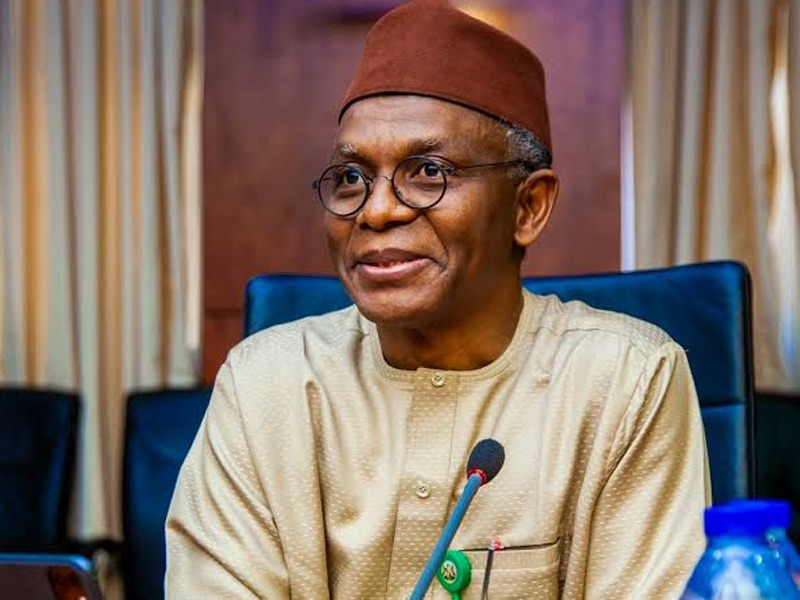
EL RUFAI FACES CYBERCRIME CHARGES OVER ALLEGED INTERCEPTION OF NSA RIBADU’S PHONE CALLS
The Department of State Services (DSS) has filed three-count cybercrime charges against former Kaduna State Governor Mallam Nasir El-Rufai at the Federal High Court, Abuja, accusing him of unlawfully intercepting the telephone communications of National Security Adviser (NSA) Nuhu Ribadu.
The prosecution’s charge sheet marked FHC/ABJ/CR/99/2026 alleges the following: Unlawful interception: El-Rufai is accused of admitting during an Arise TV Prime Time interview on 13 February 2026 that he and associates unlawfully intercepted the phone communications of the NSA, in violation of Section 12(1) of the Cybercrimes (Prohibition, Prevention, etc.) Amendment Act, 2024.
Failure to report: He is charged with knowingly associating with individuals involved in the alleged interception and failing to report them to security agencies, contrary to Section 27(b) of the same Act. Compromising security: The government further alleges that El-Rufai and others used technical systems that compromised public safety and national security, an offence under Section 131(2) of the Nigerian Communications Act, 2003.
Prosecutors say the claimed actions “instilled reasonable apprehension of insecurity among Nigerians.”
The charges stem from statements El-Rufai made during the Arise TV interview where he claimed he knew about the alleged interception of Ribadu’s phone calls and referenced that information publicly remarks that investigators now interpret as an admission of criminal conduct. The Federal High Court in Abuja has received the charges, but no trial date has yet been fixed.
The DSS says the case breaches both Nigeria’s cybercrime statutes and the communications law designed to protect private communications. El-Rufai, a senior political figure and chieftain of the African Democratic Congress (ADC), has reportedly been detained and questioned by the Economic and Financial Crimes Commission (EFCC) on this and related matters.
His supporters and critics have clashed in public discourse with protests and strong statements both defending and condemning his actions. The broader political environment includes debate over security protocols, transparency, and the rule of law in high profile prosecutions. Analysts say this case could have major implications for national security law, privacy rights, and how public officials engage with intelligence matters. It also raises scrutiny over how political disputes intersect with legal actions in Nigeria’s justice system.