US LAWMAKERS INTRODUCE BILL TARGETING CHINESE ILLEGAL MINING IN NIGERIA OVER ALLEGED FUNDING
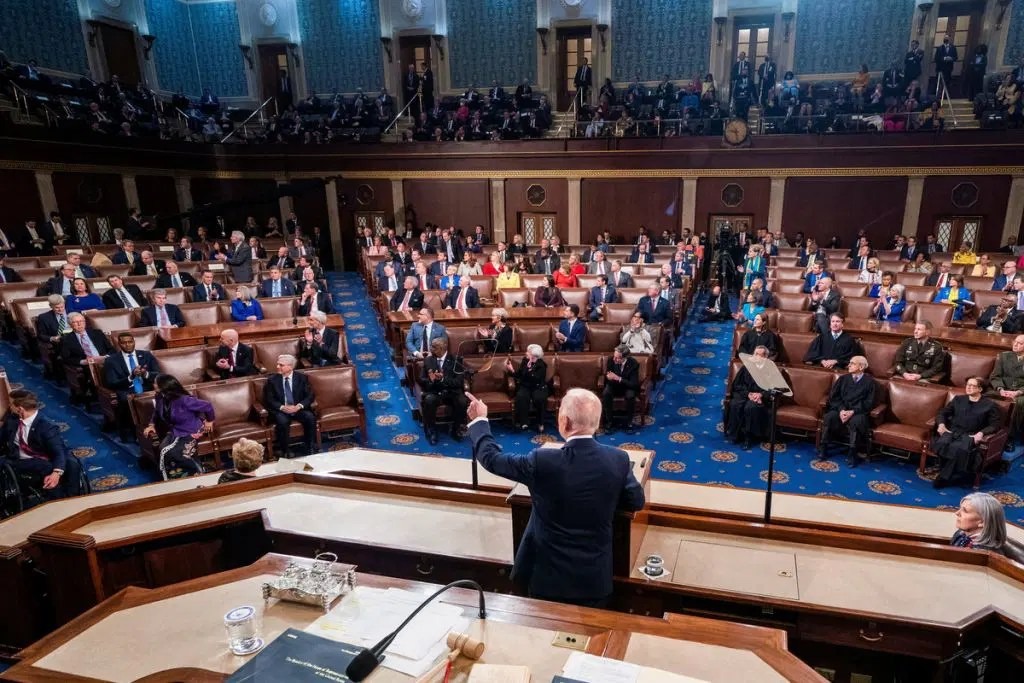
US LAWMAKERS INTRODUCE BILL TARGETING CHINESE ILLEGAL MINING IN NIGERIA OVER ALLEGED FUNDING A group of United States lawmakers on Tuesday introduced a controversial bill in the U.S. House of Representatives that aims to tackle what sponsors describe as illegal Chinese mining operations in Nigeria linked to militia violence and destabilisation, and to build closer cooperation with the Nigerian government to address these issues. The proposed legislation has sparked diplomatic pushback and raised fresh debates about foreign involvement, security, and religious freedom in Nigeria. The bill, titled the Nigeria Religious Freedom and Accountability Act of 2026, was introduced by five Republican members of Congress: Rep. Chris Smith, Rep. Riley Moore, Rep. Brian Mast, Rep. Mario Diaz‑Balart, and Rep. Bill Huizenga. It directs the U.S. Secretary of State to work closely with the Government of Nigeria to address what lawmakers describe as the hostile foreign exploitation of mineral resources by illegal Chinese mining operations and alleged practices of paying “protection money” to armed groups, particularly Fulani militias. Under the bill’s text, the Secretary of State is tasked with considering technical support to Nigeria to reduce and ultimately eliminate violence by armed militias including potential disarmament programmes and comprehensive counter‑terrorism cooperation and to determine whether some militia groups qualify as Foreign Terrorist Organisations under U.S. law. According to sponsors of the bill, certain Chinese mining operators particularly those involved in informal or illegal mining in Nigeria’s northwest mineral belts are alleged to pay protection money to militia groups to secure access to mineral resources and maintain operations. The legislation cites concerns over this practice as contributing to violence and insecurity in parts of the country and calls for greater U.S.–Nigeria collaboration to address the issue. Lawmakers also propose that the bill should involve international partners such as France, Hungary, and the United Kingdom to help promote peace, religious freedom, and stability in Nigeria. The Chinese Embassy in Nigeria rejected the allegations underpinning the U.S. proposal, describing claims of illegal mining and militia financing as “completely baseless.” In a statement responding to media inquiries, the embassy said Chinese companies and citizens abroad are required to comply strictly with Nigerian laws and regulations and that the overwhelming majority of Chinese mining firms in Nigeria have operated legitimately, contributing to local economies and employment while respecting environmental standards.
Chinese officials maintained that Chinese companies have zero tolerance for illegal operations and have themselves been victims of insecurity in Nigeria. They also emphasised a desire to work with Nigerian authorities to strengthen mining governance and bilateral cooperation. While the bill focuses on illegal mining and militia funding, its sponsors also frame the legislation within a broader fight against religious persecution, violence, and mass atrocities in Nigeria. U.S. lawmakers argue that extremist violence perpetrated by groups including Boko Haram, the Islamic State West Africa Province (ISWAP), and certain Fulani militia factions has resulted in killings, abductions, and forced displacement of civilians, particularly in the Middle Belt region. They contend that such acts may meet the criteria for designating these groups as foreign terrorist organisations. The proposal reflects Washington’s growing concern about religious freedom, security, and foreign exploitation in Nigeria, although it remains at an early stage and would need approval from both chambers of the U.S. Congress before becoming law. If the bill is enacted, its provisions could lead to: Closer U.S.–Nigeria cooperation on counter‑terrorism, disarmament, and militia‑related violence;
Technical support and training from the U.S. to Nigerian security forces; International engagement with partners on peacebuilding and religious freedom; Potential designations of certain militia groups as Foreign Terrorist Organisations;
Sanctions or enforcement measures against individuals or networks allegedly linked to militia support.