Chef Marcus Samuelsson On African Cuisine, Fermentation
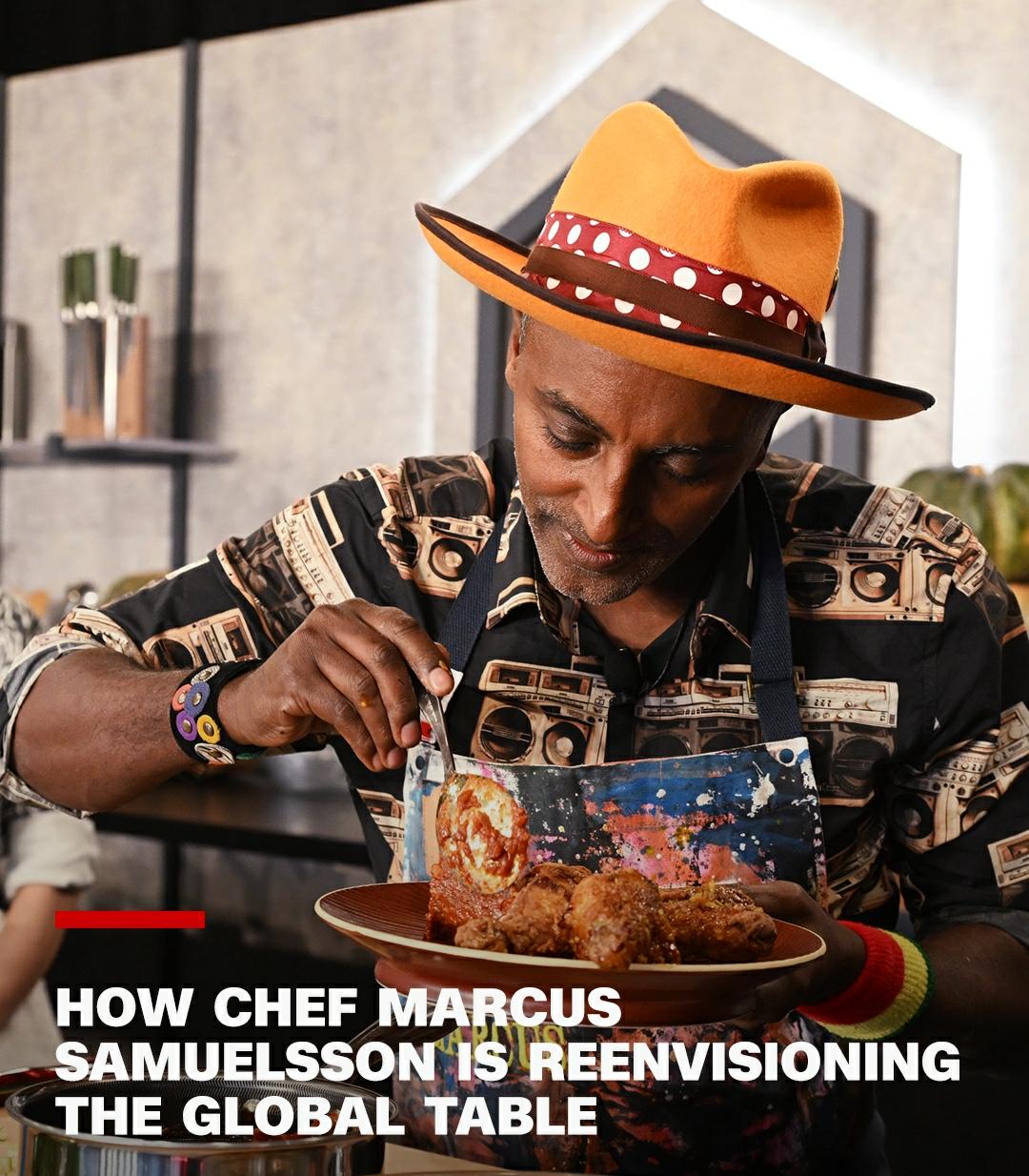
Chef Marcus Samuelsson on African Cuisine, Fermentation, Spice Blending and Cultural Celebration Acclaimed Ethiopian-Swedish chef and restaurateur Marcus Samuelsson has spoken out about African cuisine, urging the world to recognise its depth, diversity and cultural significance as more than just “exotic” or simplified flavours highlighting the role of fermentation, complex spice blends and traditional cooking techniques in shaping some of the world’s most remarkable food traditions. In a recent interview featured , Samuelsson stressed that African food is not monolithic it encompasses a vast range of regional traditions, ingredients and preparation methods across the continent, each with its own identity and history. He pointed out that nations such as Ethiopia, Senegal, Morocco and South Africa all have distinct culinary legacies that cannot be lumped together. He argued that fermentation and spice blending are central to many African cuisines, with long-established techniques that pre-date many Western approaches to flavour and refinement. These methods, he said, are rooted in tradition and reflect a deep engagement with local ingredients, terroir and community. “Our food depends on where you are on the coast or inland, in a tribe or in a city. It’s a rich history that defines our landmarks,” Samuelsson said in the interview. Samuelsson emphasised that African culinary excellence is not waiting for Western validation. He noted that while global attention on African music and fashion has grown, the food world must also learn to value African cuisines on their own terms rather than through external benchmarks.
He highlighted that traditional African practices including complex spice blends like berbere and age-old fermentation processes used in staples like injera have always represented sophisticated cuisine, not “primitive” or unsophisticated food, as some misconceptions suggest. Samuelsson also pointed out that celebration and ritual are embedded in many African food traditions, making meals part of spiritual and communal life rather than simply sustenance or novelty.
The chef’s discussion went beyond techniques and tastes to emphasise the cultural importance of food as a vehicle for identity and story-telling. Born in Ethiopia and raised in Sweden, Samuelsson often draws on his heritage to inform his cooking and advocacy a fusion of influences that bridges continents and invites diners into a broader understanding of culture through cuisine.
Samuelsson also noted his belief that nurturing culinary talent and traditions within Africa instead of exporting the best chefs abroad can grow opportunities domestically, strengthen local economies and bolster cultural pride.
According to Samuelsson’s message in the interview:
Fermentation techniques, like those used in making injera, contribute to flavour profiles and textures that are distinct and deeply rooted in centuries-old
Spice blending, especially with intricate mixes like berbere, demonstrates a high level of craftsmanship and taste sophistication that deserves global recognition.
Traditional dishes represent heritage, intergenerational knowledge and community key aspects not always appreciated in global cuisine narratives.
Samuelsson’s comments reflect a broader movement within the culinary world that seeks to decolonise food narratives advocating for cuisines from Africa and the African diaspora to be understood and celebrated not as “fusion novelty” but as distinct, refined and historically rich traditions.