Hong Kong Court Convicts Tiananmen Vigil Organisers Of Inciting Subversion
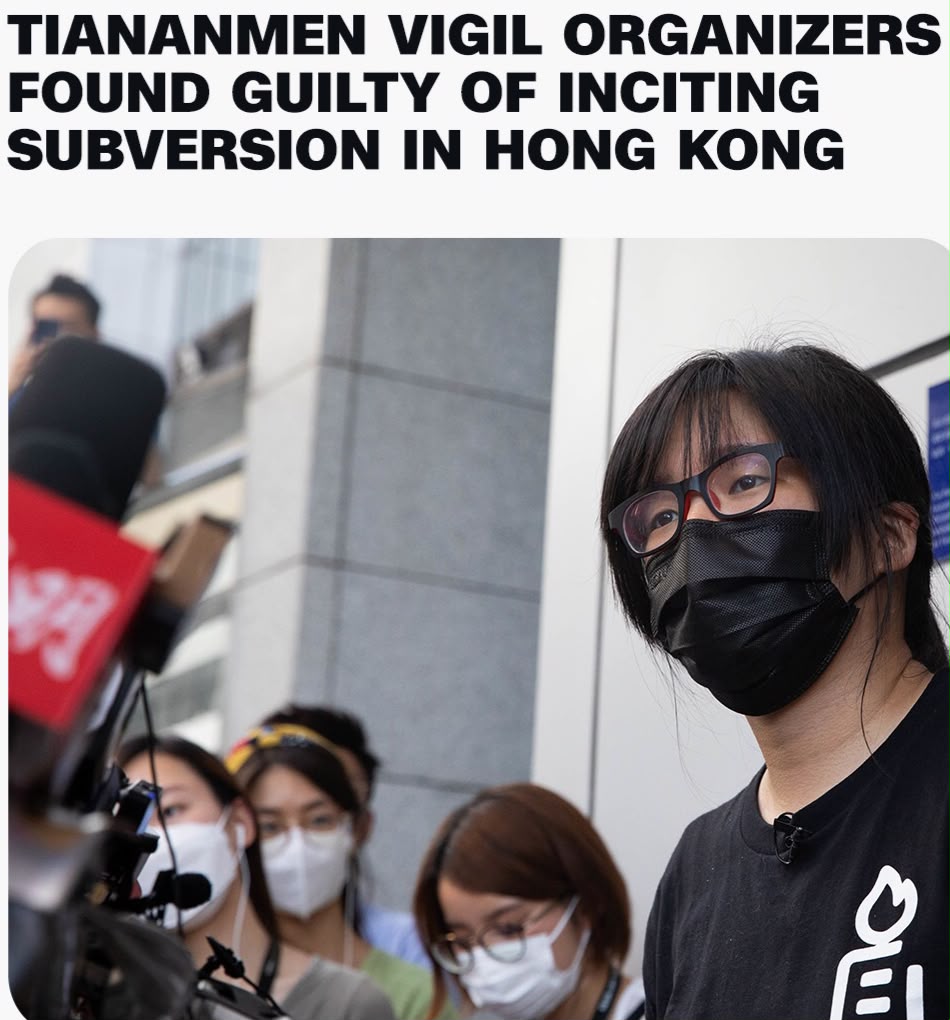
Hong Kong Court Convicts Tiananmen Vigil Organisers of Inciting Subversion A Hong Kong court has found two prominent organisers of the city’s annual Tiananmen Square remembrance vigil guilty of inciting subversion under China’s national security law. The defendants, Lee Cheuk-yan and Chow Hang-tung, were former leaders of the now-disbanded Hong Kong Alliance in Support of Patriotic Democratic Movements of China, the group that organised the annual commemorations of the 1989 Tiananmen crackdown. The verdict marks a significant development in a case that has drawn international attention over the future of political freedoms and public remembrance in Hong Kong. Prosecutors argued that the activists’ calls to end one-party rule in China amounted to an attempt to undermine the authority of the Chinese Communist Party. The court accepted the argument, ruling that the slogan and the group’s activities were intended to weaken confidence in the ruling party. Lee, 69, and Chow, 41, have been detained since 2021 and face a maximum sentence of 10 years in prison under the national security law. Sentencing is expected at a later date. A third defendant, former Alliance chairman Albert Ho, had previously pleaded guilty. For more than three decades, Hong Kong’s annual candlelight vigil served as the only large-scale public commemoration of the 1989 Tiananmen crackdown on Chinese soil. The event attracted tens of thousands of participants before authorities banned it following the introduction of Beijing’s national security legislation and the political changes that followed. The convictions have intensified concerns among rights groups and international observers over the erosion of civil liberties in Hong Kong. Authorities in Hong Kong and Beijing, however, maintain that the national security legislation is necessary to protect national security and political stability. The case is being closely watched as another measure of the changing political environment in Hong Kong since the enactment of the national security law in 2020.