ReShark Launches World-First Program To Restore Endangered Leopard Sharks
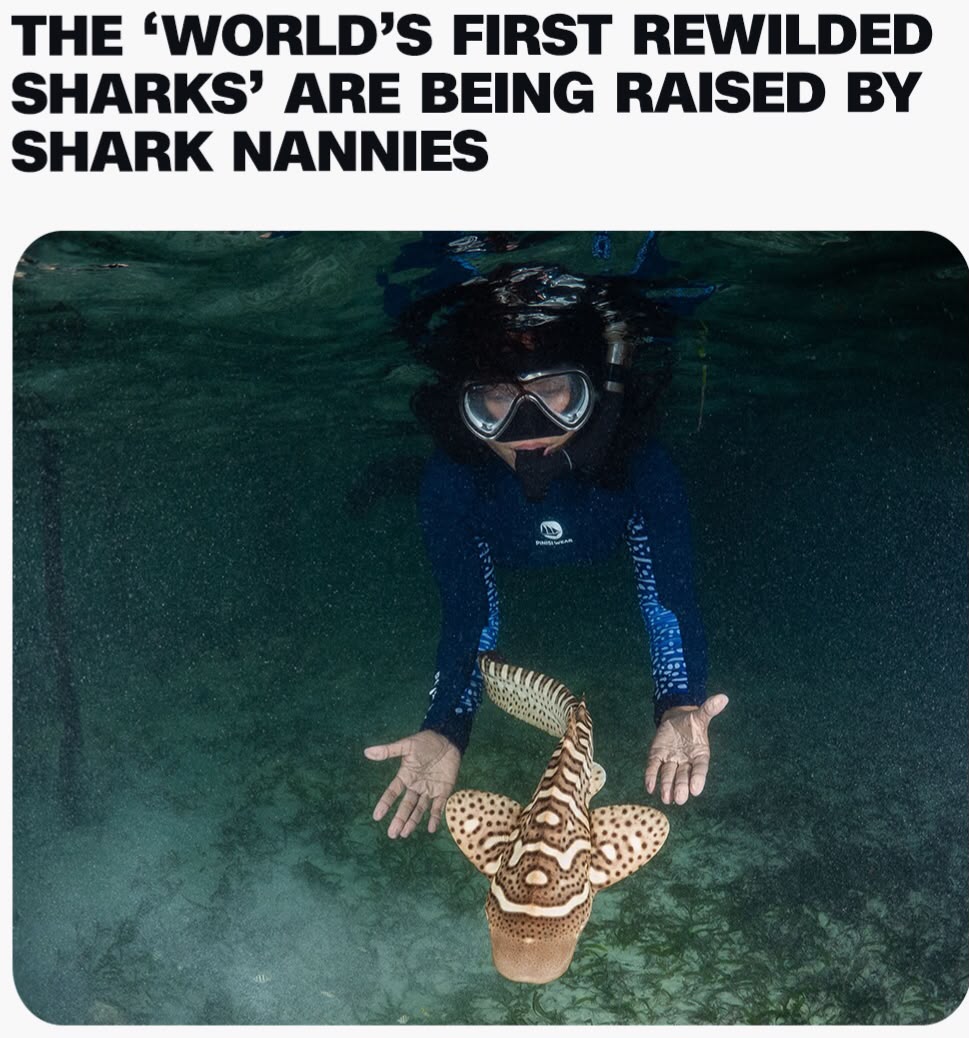
ReShark Launches World-First Program to Restore Endangered Leopard Sharks Years of overfishing, habitat destruction and accidental capture have pushed the Indo-Pacific leopard shark, also known as the zebra shark, into serious decline. The species is currently classified as Endangered on the IUCN Red List, with its global population estimated to have fallen by 50–79 per cent over the past three generations. Now, conservation group ReShark is attempting to reverse the decline through what it describes as the world’s first shark rewilding programme. The initiative, known as the Stegostoma tigrinum Augmentation and Recovery StAR Project, raises leopard shark eggs and juveniles in controlled environments before releasing them into protected marine habitats. The programme combines captive breeding, genetic screening, nursery care and post-release monitoring. One of the programme’s main targets is Raja Ampat in Indonesia, where leopard sharks had become extremely rare after decades of intense fishing pressure.
ReShark says more than 60 juvenile leopard sharks have so far been released into Raja Ampat’s protected waters, with satellite and acoustic tags used to monitor their movements, survival and adaptation to the wild. The project relies on a network of aquariums and conservation organisations that breed genetically suitable sharks. Eggs are transferred to nurseries in the sharks’ natural range, where local teams raise the animals until they are large enough and sufficiently prepared for release. Scientists stress that rewilding alone cannot solve the problem. The sharks need a safe environment in which to survive and reproduce. That is why releases are carried out in protected areas with conservation measures designed to reduce fishing pressure and protect marine habitats. ReShark also works with local communities through education, internships and citizen-science programmes. The ultimate test will be whether released sharks survive long enough to reproduce and establish a self-sustaining population. Leopard sharks mature relatively slowly, meaning it will take years before conservationists can fully assess whether the programme has restored the population
ReShark hopes the approach can eventually be expanded beyond leopard sharks to other threatened sharks and rays. The organisation says its StAR programme now involves 66 global partners, 12 approved breeding institutions and projects in Indonesia and Thailand. Sharks play important roles in marine ecosystems, but many populations have been severely depleted by fishing and habitat loss. Restoring them could help rebuild damaged ocean ecosystems while demonstrating new ways of protecting endangered marine species. ReShark is attempting something unprecedented: breeding endangered leopard sharks, raising them for release and tracking their progress in the wild. The programme offers hope for Raja Ampat’s missing sharks but its real success will ultimately depend on whether the animals can survive, reproduce and rebuild a self-sustaining population.