Tinubu Orders Wike To Halt Fubara’s Impeachment
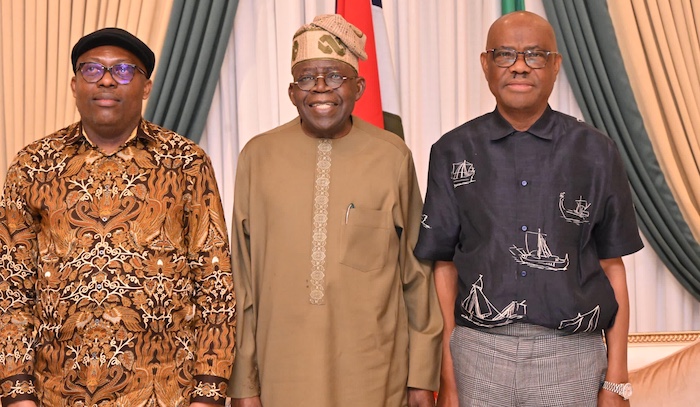
Tinubu Orders Wike to Halt Fubara’s Impeachment, Instructs Governor to Recognise Wike as Undisputed Political Leader
Abuja / Port Harcourt | February 3, 2026 President Bola Ahmed Tinubu has intervened in the protracted political crisis in Rivers State, directing Minister of the Federal Capital Territory (FCT) Nyesom Wike to halt all impeachment moves against the state governor, Siminalayi Fubara, and instructing that Fubara should recognise Wike as the undisputed political leader in the state.
The directive is part of a fresh peace effort by President Tinubu aimed at defusing a deepening feud that has crippled governance in Nigeria’s oil-rich Rivers State and threatened political stability ahead of the 2027 general elections. According to multiple highly placed sources, President Tinubu acting shortly before departing for an official trip to Türkiye ordered an immediate suspension of any impeachment processes against Governor Fubara and emphasised the need to restore political harmony. Tinubu’s message underscored that political hostility between Rivers State’s top leaders has impeded governance, saying prolonged feuds could deepen instability which he refuses to condone. In his intervention, the president stressed that Wike remains the undisputed political leader in Rivers State, a status he said should be respected by all political actors in the state whether in the ruling All Progressives Congress (APC) or the Peoples Democratic Party (PDP). Wike must immediately halt all impeachment-related actions against Fubara, effectively pausing momentum against the embattled governor. Fubara is to formally recognise Wike’s political leadership in Rivers State, deferring to him on key party matters.
The intervention also covers upcoming state House of Assembly by-elections: Wike’s preferred candidates are to be recognised by the APC leadership for the two vacant assembly seats ahead of the February 21, 2026 polls. This approach is intended to shore up political consensus and reduce factional tensions within the state’s political landscape. The feud between Governor Fubara and his predecessor, Wike also the FCT minister erupted soon after Fubara took office in May 2023, following Wike’s active role in engineering his succession.
The relationship deteriorated rapidly as Fubara asserted independence from his former godfather’s influence, with factions emerging within state political structures, including the Rivers State House of Assembly. In recent weeks, pro-Wike lawmakers pushed forward impeachment threats against Fubara, prompting fears of governance paralysis and legislative gridlock.
A court order restraining the assembly’s leadership from receiving any impeachment letters further complicated matters, reflecting how legal and political efforts have intersected in the ongoing dispute.
President Tinubu’s intervention comes amid broader efforts to stabilise Rivers State a key political battleground ahead of national elections and to avoid a repeat of past crises that saw emergency rule imposed on the state. Tinubu’s peace push follows months of failed reconciliation efforts between the belligerent leaders, and sources suggest that the president is positioning political organisation and unity ahead of national party objectives.
The directive also signals a strong presidential interest in internal party cohesion and the need to prevent local disputes from escalating into broader governance failures. The intervention halts an impeachment process that threatened to further destabilise Rivers State’s governance. It reinforces Wike’s political influence in Rivers despite his not being a formal member of the APC, the ruling party in which Fubara now sits. The peace deal aims to ensure stability ahead of critical by-elections and avoid political violence or crisis that could undermine democratic processes.