The Federal Government (FG)
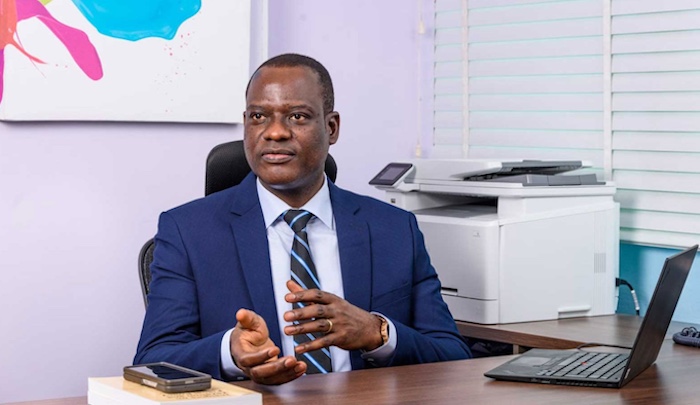
The Federal Government (FG), through the Presidential Fiscal Policy and Tax Reforms Committee Chairman, Taiwo Oyedele, has reiterated its commitment to deep‑seated tax reforms, saying it will not compromise Nigeria’s future to protect individuals or entities that have profited for years without contributing taxes. He made the remarks while addressing resistance to the government’s sweeping tax changes at the January Business Breakfast of the Franco‑Nigerian Chamber of Commerce and Industry (FNCCI) in Lagos.
Oyedele explained that much of the pushback against the ongoing tax reform agenda arises from people and organisations that have historically benefited economically without paying due taxes under Nigeria’s outdated fiscal system. He highlighted stark disparities in revenue generation by comparing Nigeria with its peer economies. For example, South Africa reportedly collected over ₦60 trillion from personal income tax in 2024 alone, a sum that exceeds Nigeria’s total tax revenues from all tax streams combined, despite Nigeria’s much larger population. According to Oyedele, this glaring disparity underscores Nigeria’s untapped fiscal potential and justifies the urgent need for robust tax reforms. The chairman said Nigeria’s combined revenues from petroleum profit tax, corporate income tax, value‑added tax (VAT), and other federal, state, and local taxes are far below what the country should be capable of generating, given its population and economic activity. He argued that even if Nigeria cannot match South Africa’s full personal income tax haul, it should realistically be collecting at least ₦30 trillion yet actual tax collection remains under ₦3 trillion. This dramatic shortfall, he said, highlights systemic inefficiencies and a lack of compliance. Oyedele said resistance to the reforms is largely driven by vested interests rather than genuine national concerns. He explained that those opposing the changes tend to be parties that have benefited from the status quo — often avoiding tax obligations while profiting significantly. He stressed that the proposed tax structure aims to create a fair, transparent, and equitable system in which compliance is enforceable, and no one is above the law. Oyedele urged stakeholders to understand that while paying tax is inherently challenging (a concern he acknowledged as universal), the cost of inaction or compromising reforms could jeopardise Nigeria’s economic future. “We are designing a system that says nobody will be above the law anymore. You will fight it because it is hard to pay tax anywhere in the world we understand that but we will not compromise the future of the country, because what is at stake is much bigger than any of us.” President Bola Ahmed Tinubu signed four landmark tax reform bills into law on June 26, 2025, aiming to modernise Nigeria’s outdated fiscal framework. These laws including the Nigeria Tax Act, Nigeria Tax Administration Act, Nigeria Revenue Service Act, and Joint Revenue Board Act are set to take effect from January 1, 2026, despite calls from some quarters for a suspension of implementation. Expand the tax base while protecting low‑income earners and small businesses; Promote fairness by reducing the burden on vulnerable groups and closing revenue gaps;
Harmonise and simplify Nigeria’s tax system, replacing outdated colonial statutes and overlapping levies that have long discouraged compliance. The Federal Government will not shield tax evaders or compromise the nation’s long‑term prospects to benefit those who have historically avoided tax obligations.
Nigeria’s tax yield is far below potential, especially compared with regional peers like South Africa, highlighting critical systemic gaps.
Resistance to the reforms, Oyedele said, is driven by vested interests and a reluctance to embrace transparency and compliance.
The sweeping tax reforms signed in 2025 will begin in January 2026, reshaping how taxes are collected in Nigeria and enforcing fairness across all economic segments.