YouTube Video Leads To Major Wildlife Discovery After Years Of Hidden Biodiversity
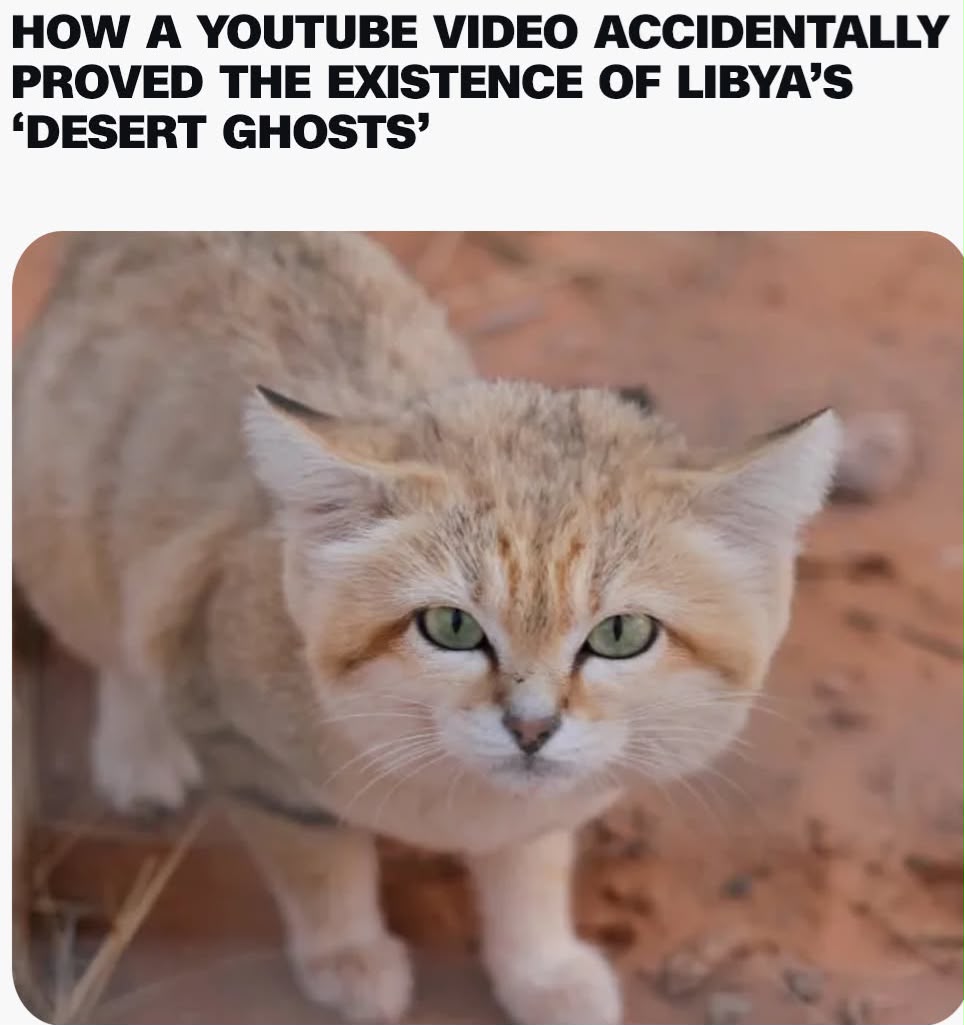
YouTube Video Leads to Major Wildlife Discovery After Years of Hidden Biodiversity A simple YouTube upload in 2017 has unexpectedly helped scientists uncover a significant wildlife discovery, highlighting how online videos can sometimes reveal important information about species that remain poorly documented. The video, posted by Mohammed Almuntasir, was not intended as a scientific contribution. However, researchers later noticed details in the footage that pointed to the presence of a previously overlooked animal species, leading to further investigation and eventual confirmation of the discovery.
Almuntasir uploaded the footage as part of his personal interest in wildlife, unaware that the recording would attract the attention of scientists years later. Researchers examining the video identified features that suggested the animal shown was different from known species in the region. The discovery demonstrates how publicly available digital content can provide valuable evidence for biodiversity research. Scientists increasingly rely on unconventional sources, including social media posts, online videos, and citizen observations, to track wildlife and identify species that may have been missed during traditional surveys. Such discoveries are especially important as habitats change and many species face increasing threats from climate change, human activity, and environmental loss. The case highlights the growing importance of citizen science, where members of the public contribute observations that can support professional research. Experts say ordinary wildlife enthusiasts can provide valuable information by recording animals, documenting locations, and sharing observations that may later assist conservation efforts. The discovery linked to Almuntasir’s video shows that important scientific breakthroughs can emerge from unexpected sources. Researchers say many parts of the world still contain undocumented or poorly understood wildlife, and public contributions can help scientists better understand and protect global biodiversity.