Shadow Financial Network Keeps Iran’s Economy Afloat Amid US Pressure, Report Reveals
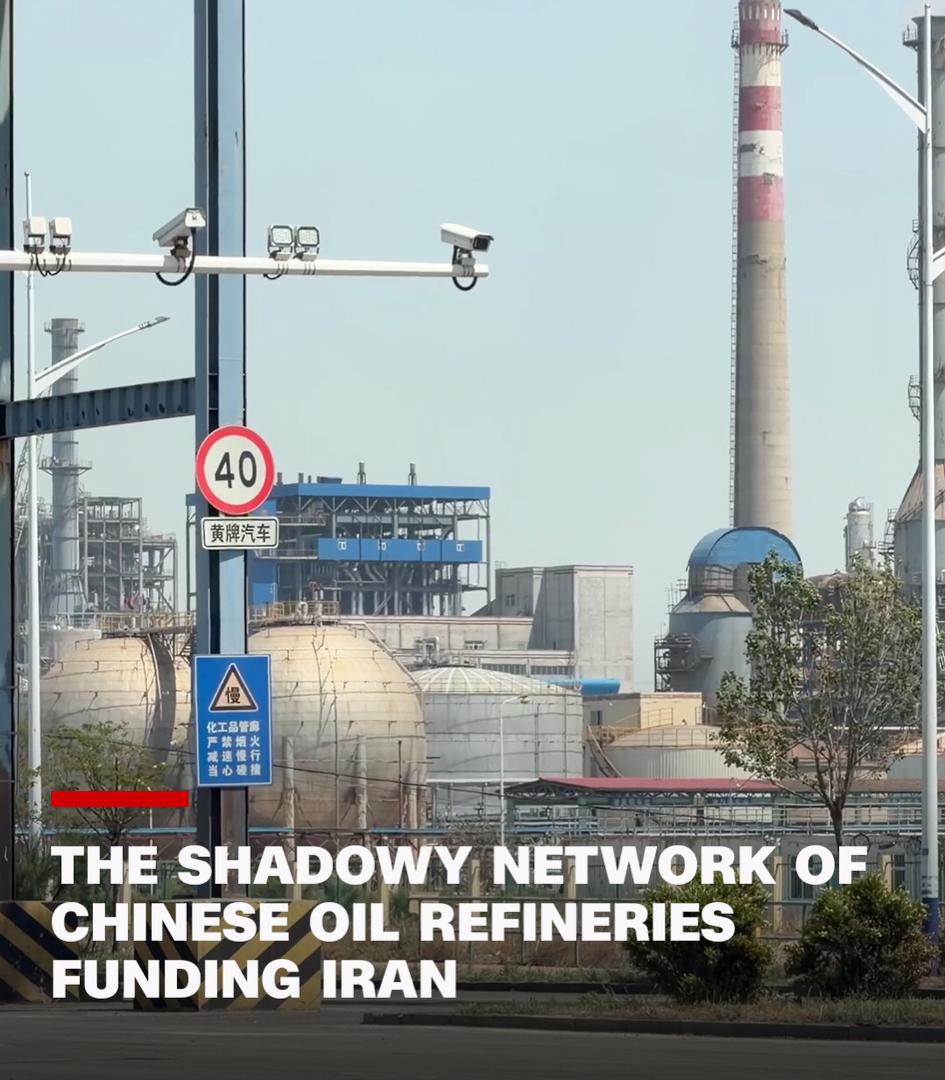
Shadow Financial Network Keeps Iran’s Economy Afloat Amid US Pressure, Report Reveals A complex and largely opaque financial ecosystem stretching across Asia has been quietly sustaining Iran’s economy, even as Western sanctions attempt to isolate Tehran, according to emerging international reports. The system described by analysts as a “shadow banking and oil trade network”is helping Iran maintain critical revenue flows by channelling billions of dollars through alternative payment routes tied heavily to Chinese buyers and intermediaries. The development comes at a sensitive geopolitical moment, as global powers including the United States and China navigate heightened tensions over Middle East stability and energy security. Reports indicate that China remains Iran’s largest oil customer, purchasing the vast majority of the country’s crude exports through a mix of direct imports, ship-to-ship transfers, and third-party routing designed to obscure origin and pricing structures. According to financial and security analyses, Iran’s oil revenues routed through China now form a critical pillar of its national budget, funding government operations and regional activities despite sanctions pressure. Oil shipments often move through a “shadow fleet” of tankers, which disable tracking systems and conduct transfers at sea before crude reaches independent refineries in China
- Small regional Chinese banks
- Offshore shell companies
- Front trading firms in Hong Kong and Southeast Asia
- Alternative payment clearing systems outside Western banking networks
These mechanisms allow Iran to receive payment for oil while bypassing restrictions on international financial transfers.
Some institutions, including niche Chinese banks and trade intermediaries, are reported to facilitate yuan-based transactions that are later recycled into Iran-linked accounts through layered corporate structures. Despite ongoing US sanctions targeting Iran’s energy exports and financial networks, enforcement efforts have struggled to fully disrupt the system.
- Sanctions on shipping companies and tankers linked to Iranian crude
- Targeting of Chinese-linked refineries purchasing Iranian oil
- Crackdowns on intermediary financial networks and exchange systems However, analysts say the adaptability of the network has allowed it to continuously evolve, shifting routes, disguising ownership, and diversifying financial channels. China’s involvement in Iranian oil trade reflects a broader strategic balancing act. While Beijing is Iran’s key economic partner, it also maintains strong ties with Gulf Arab states and seeks to avoid direct confrontation with the United States Experts say this has resulted in a cautious approach where China benefits economically from discounted oil imports while limiting overt political or military alignment with Tehran.The continued operation of this shadow ecosystem has raised concerns among
- Undermines global sanctions regimes
- Funds sanctioned state activities
- Sustains geopolitical tensions in the Middle East
- Complicates international energy market stability
At the same time, defenders of sanctions enforcement argue that tightening financial surveillance and targeting intermediary institutions remain the most effective tools for disruption. The report highlights a growing reality in global finance: despite sanctions and diplomatic pressure, Iran has managed to remain economically functional through alternative trade routes and shadow financial systems heavily linked to Asian intermediaries. As geopolitical rivalries intensify, experts warn that the contest between sanctions enforcement and evasion networks is likely to shape the next phase of global economic and energy politics.