Why Food Prices Remain High Despite FG’s Interventions, Ongoing Harvest
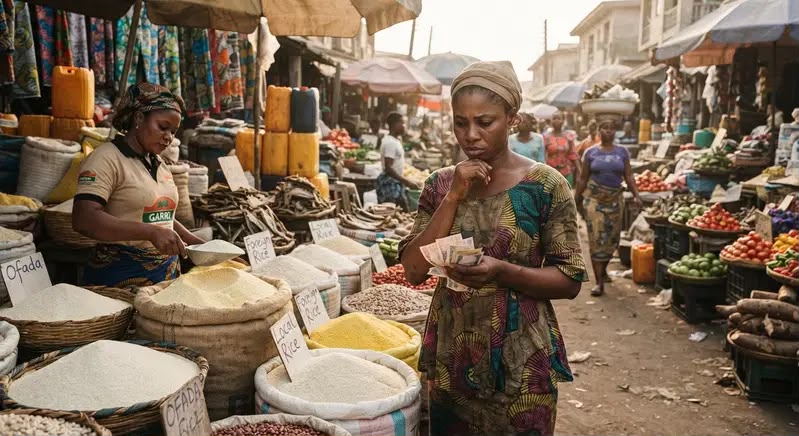
Why Food Prices Remain High Despite FG’s Interventions, Ongoing Harvest Food prices in Nigeria have remained high despite Federal Government interventions and the ongoing harvest season, raising concerns about the affordability of essential commodities and the continued pressure on household budgets. Although the harvest period typically increases the supply of agricultural produce, consumers are yet to experience significant relief in the cost of staple foods, including rice, beans, maize, yam and garri. The persistent price increases have renewed questions about the effectiveness of government policies aimed at improving food availability, supporting farmers and reducing the cost of living. One of the major factors sustaining high food prices is the rising cost of production. Farmers continue to contend with expensive fertilisers, improved seeds, pesticides, fuel and agricultural equipment, all of which increase the cost of bringing produce to market. Insecurity in several food-producing communities has also disrupted farming activities, limited access to farmlands and increased transportation risks. These challenges have affected agricultural output and contributed to higher costs across the food supply chain. Transportation and distribution expenses remain another major concern. Poor road infrastructure, high fuel costs and multiple charges along major routes often increase the prices of food items before they reach urban markets. Post-harvest losses further compound the problem, as inadequate storage facilities, processing infrastructure and reliable transportation lead to the deterioration of perishable produce. Consequently, increased harvest volumes do not always translate into sufficient supplies reaching consumers at affordable prices. The structure of agricultural markets also influences retail prices. Farmers may receive relatively low prices for their produce during peak harvest periods, while consumers continue to pay significantly more because of the costs incurred by intermediaries, storage operators and distributors. Currency pressures and the cost of imported agricultural inputs have also affected production expenses, particularly for farmers who depend on imported machinery, fertilisers and other materials. Despite these challenges, the Federal Government has introduced several measures intended to strengthen food security, support agricultural production and ease the cost of essential commodities. Such interventions include initiatives to improve access to farm inputs, expand cultivation, support mechanisation and strengthen food distribution. However, the impact of these policies depends on effective implementation, timely delivery of support and sustained investment in agricultural infrastructure. Analysts have repeatedly stressed that increasing agricultural production alone may not be sufficient to bring down food prices without improvements in storage, processing, transportation and market access. They argue that a more coordinated approach is needed to ensure that the benefits of the harvest season reach consumers, while farmers receive adequate returns for their investments. For many Nigerian households, the continued high cost of food has reduced purchasing power and forced families to adjust their consumption patterns, with lower-income earners bearing a disproportionate share of the burden. Experts say sustained reductions in food prices will require improved security in farming communities, lower production costs, better rural infrastructure, reduced post-harvest losses and more efficient distribution networks. Until these structural challenges are addressed, the ongoing harvest and government interventions may provide only limited relief, leaving food affordability a major concern for households across the country.