Who’s Really Leading Iran After Its Top Leaders Killed In Airstrikes
Who’s really leading Iran after its top leaders killed in airstrikes
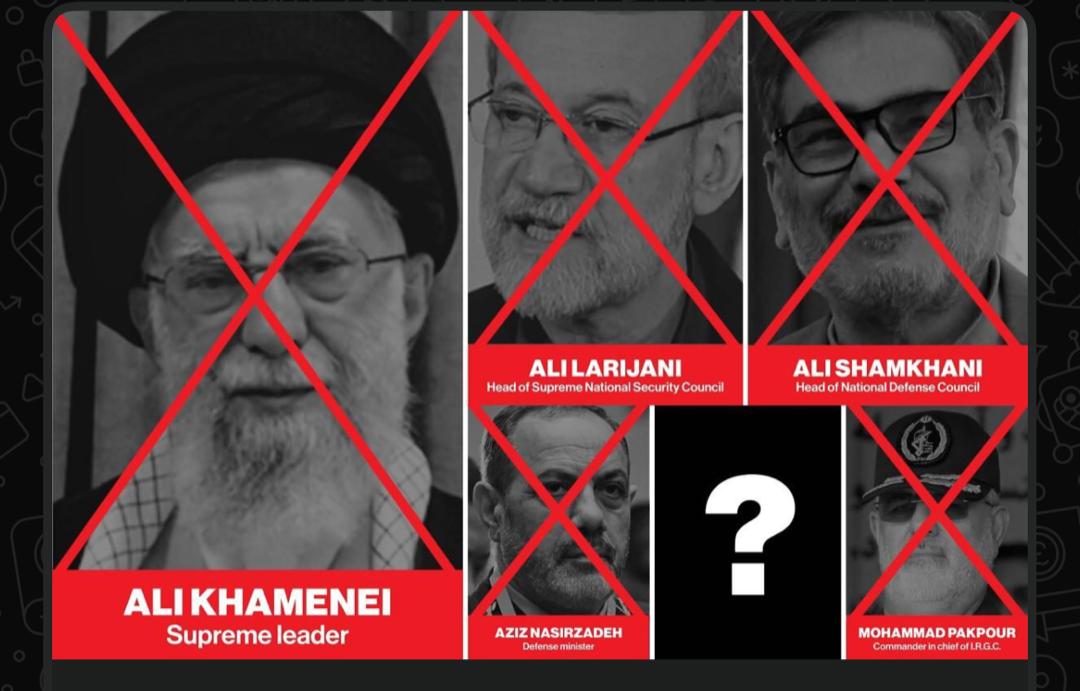
In a dramatic escalation of the ongoing U.S. Israel–Iran conflict, senior Iranian leadership has been decimated by targeted airstrikes, leaving the Islamic Republic’s governance in question and raising urgent questions about who now holds power in Tehran. The developments have dominated headlines and front‑page coverage globally, particularly in the wake of the death or disappearance of Iran’s supreme leader and other top commanders. According to multiple reports, Iran’s Supreme Leader Ayatollah Ali Khamenei was killed on 28 February 2026 during a series of coordinated airstrikes carried out by Israel and supported by U.S. intelligence a strike that also eliminated several senior security figures.Among the Iranian officials confirmed killed in the most recent strikes was Ali Larijani, head of Iran’s Supreme National Security Council and widely seen as the de facto leader after Khamenei’s death. Larijani’s death represents one of the most significant blows to the country’s leadership in decades, and further deepens the crisis engulfing the Islamic Republic.
With the deaths of Khamenei and Larijani both central figures in Iran’s political and security apparatus a formal interim leadership council of three officials is reported to be managing state functions. This council reportedly includes:
- President Masoud Pezeshkian
- Ayatollah Alireza Aarafi, head of the Guardian Council
- Justice Gholam‑Hossein Mohseni‑Ejei, chief of the judiciary
However, analysts and front‑page coverage suggest that real power within Iran is increasingly concentrated in the hands of the hard‑line Islamic Revolutionary Guard Corps (IRGC), especially as the conflict intensifies and institutional structures fragment. Debate continues over who might ultimately emerge as Iran’s next supreme leader. Among the figures discussed as potential contenders are:
- Sadiq Larijani, brother of the slain Ali Larijani and a senior conservative figure thought to be acceptable to IRGC hardliners.
- Mohammad Bagher Ghalibaf, former IRGC air force commander and speaker of parliament, known for his strong military ties.
Observers note that any leadership transition is likely to further strengthen the IRGC’s position in Iranian politics especially if moderate or centrist figures are sidelined amid continued conflict with the U.S. and Israel Iran’s leadership decapitation has amplified regional tensions and heightened global concerns. International reactions have ranged from condemnations of the strikes including from Moscow, which called them unlawful to fears of further escalation in the Middle East. Meanwhile, the conflict has caused retaliatory missile and drone attacks by Iran, along with disruptions across Gulf states and beyond, further straining diplomatic and military efforts to prevent a wider conflagration. As Iran’s political and military leadership undergoes rapid realignment under extreme pressure, global analysts warn that the next phase of this crisis could have far‑reaching implications for regional stability, energy markets, and international security.