Volkswagen Plans Massive Job Cuts Amid Cost Crisis And EV Pressure
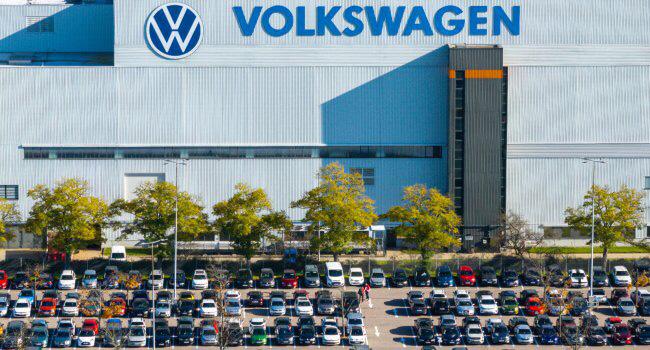
Volkswagen Plans Massive Job Cuts Amid Cost Crisis and EV Pressure Volkswagen is reportedly preparing a major restructuring that could lead to the elimination of up to 50,000 jobs across its brands in Germany by 2030, as the company struggles with rising costs, U.S. tariffs, and intense competition from Chinese electric vehicle EV manufacturers. The plan forms part of a broader effort by Europe’s largest automaker to stabilize its finances and improve competitiveness in a rapidly changing global auto industry.
The German automaker is facing a combination of financial and market pressures, including weakening demand in key markets, expensive production costs in Europe, and shrinking margins as it transitions from combustion engines to electric vehicles. A major challenge has been the rapid rise of Chinese EV makers, which have expanded aggressively in global markets and intensified price competition. At the same time, U.S. tariffs and global trade tensions have further increased operational strain on Volkswagen’s export driven business model. Reports indicate that the job reductions are part of a long-term restructuring strategy aimed at improving efficiency and cutting expenses across the Volkswagen Group, which includes brands such as Audi, Škoda, and Porsche.
The company is also reportedly reviewing production capacity and investment plans as it adjusts to lower profitability and slower growth in the EV transition phase. Analysts say Volkswagen’s move reflects a wider crisis in the European automotive sector, where traditional manufacturers are struggling to compete with cheaper and more technologically agile EV producers. There are also concerns about the social and political impact in Germany, where the auto industry remains a major employer and economic pillar.
Although the plan is still subject to negotiations and potential changes, it is expected to face strong resistance from labour unions and workers, especially given the scale of potential job losses. Union groups have historically pushed back against large-scale layoffs and factory restructuring, arguing for alternative cost-saving measures instead of mass redundancies. The restructuring proposal is expected to be reviewed by Volkswagen’s supervisory board, where further details about job cuts, factory adjustments, and investment reductions may be clarified. If implemented fully, the plan would represent one of the largest workforce reductions in the company’s history and a major shift in its global operations strategy.