Viral AI Videos Raise Fears As ByteDance Tools Produce Cinematic Clips Of Celebrities
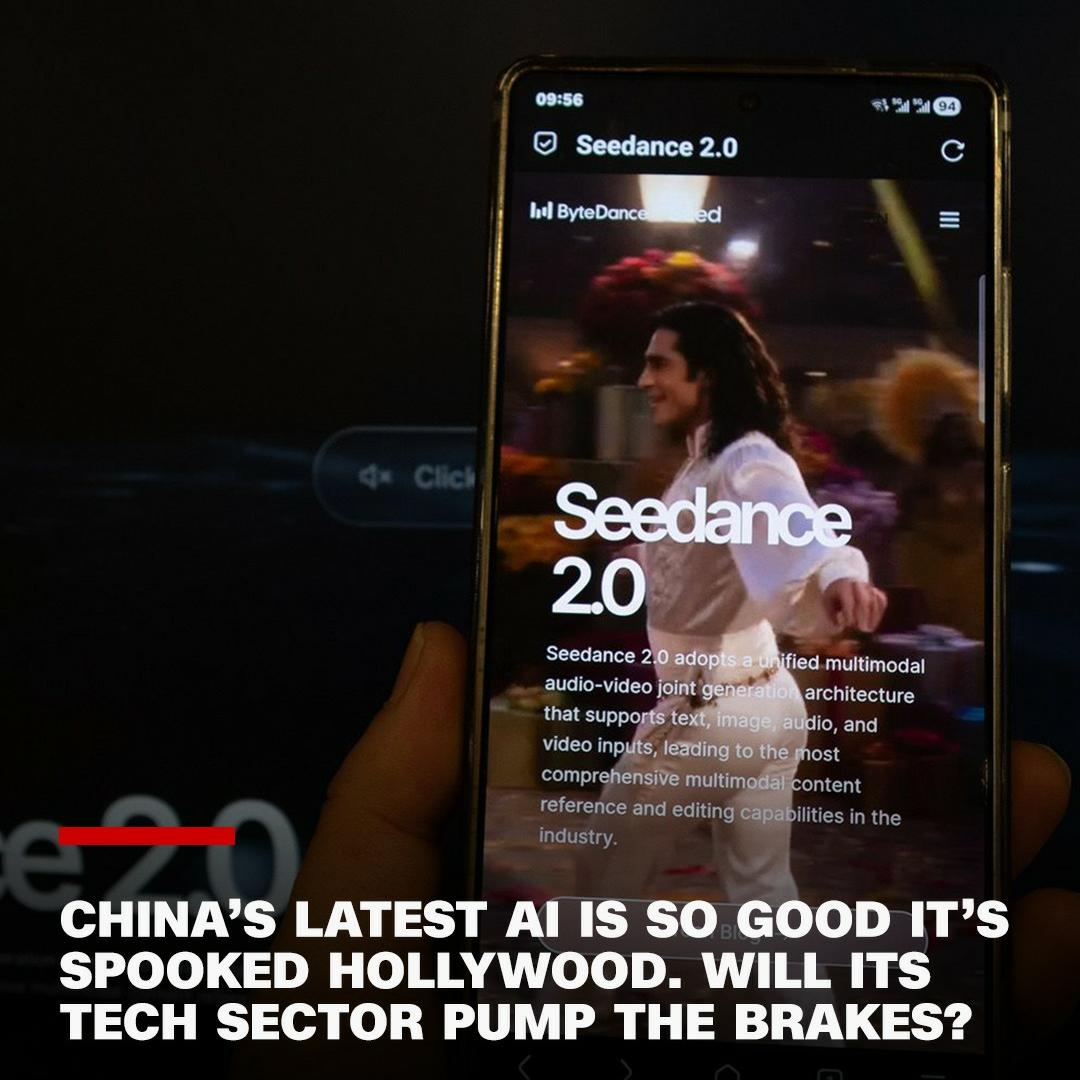
Viral AI Videos Raise Fears as ByteDance Tools Produce Cinematic Clips of Celebrities Over the past week, social media has been flooded with highly realistic, cinematic videos of celebrities and fictional characters in bizarre, absurd scenarios but none of those clips are real. They were created using a powerful new artificial intelligence video tool developed by ByteDance, the Chinese tech company best known as the owner of TikTok, sparking widespread concern about the rapidly evolving capabilities of AI.
The AI model, called Seedance 2.0, allows users to generate short videos from simple text prompts that combine visuals, sound and motion with striking realism. In many cases, the output has looked almost indistinguishable from professionally made film footage.
One 15-second video showing convincingly lifelike versions of Tom Cruise and Brad Pitt engaged in a rooftop fight went viral globally, drawing millions of views and triggering debate on the implications of such technology. Creators have also shared viral scenarios featuring reimagined scenes from major franchises including pirate ship battles, superhero showdowns and other cinematic moments compiled from simple prompts. The entertainment industry has responded forcefully. The Motion Picture Association (MPA) and actors’ union SAG-AFTRA have condemned Seedance 2.0 for unauthorised use of copyrighted material and likenesses, saying the tool appears to create content based on movies, shows and actors without permission. Major studios, including Disney and other Hollywood heavyweights, have sent cease-and-desist letters alleging that Seedance unlawfully used protected intellectual property from blockbuster characters to iconic scenes and are threatening legal action if ByteDance doesn’t strengthen its safeguards. Netflix joined the opposition, accusing the AI generator of treating its popular series like Stranger Things, Squid Game and others as “free, public domain clip art,” and demanding better protections for creative works
In response to mounting pressure, ByteDance said it “respects intellectual property rights” and is taking steps to enhance safeguards to prevent the tool’s misuse and reduce unauthorised use of copyrighted content. Details on how these safeguards will be enforced have not yet been fully clarified.
Tech experts and industry figures warn that the viral surge of cinematic deepfake–style videos illustrates how far AI has advanced, raising ethical questions about authenticity, copyright protection, and the future of creative work. Some commentators have suggested that such tools could challenge traditional filmmaking jobs or blur the line between real and AI-generated footage. With Seedance 2.0 already gaining traction in China and on social platforms, the debate over how to responsibly manage and regulate generative AI technologies is intensifying highlighting the need for clear guidelines to balance innovation with respect for original creators and legal rights.