Vice President Kashim Shettima On Wednesday Formally Launched
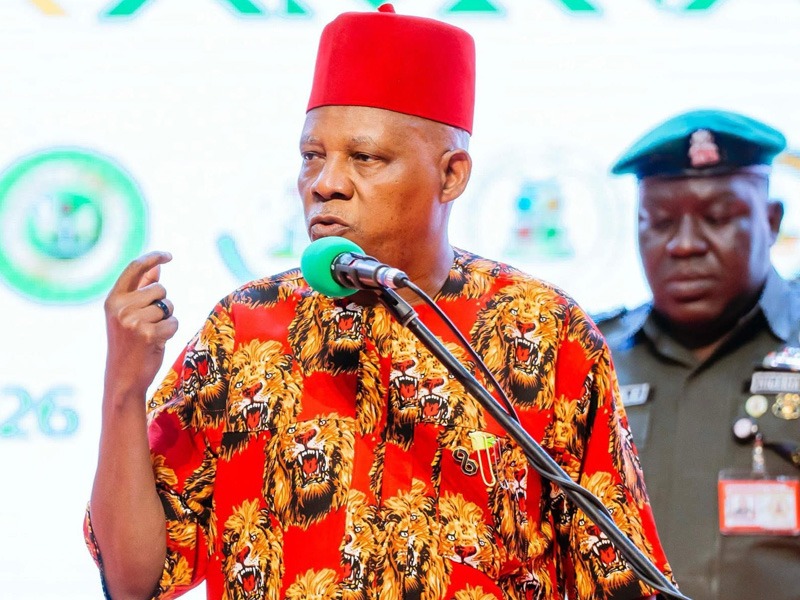
Vice President Kashim Shettima on Wednesday formally launched the South-East Vision 2050, a 25-year regional development blueprint, declaring the South-East region a central pillar of Nigeria’s economic future. The unveiling took place at the South-East Vision 2050 Regional Stakeholders’ Forum in Enugu State, bringing together government, private sector, and diaspora representatives.
Shettima said the initiative represents a decisive shift away from short-term policy cycles toward structured, long-term planning, underscoring the region’s strategic role in the nation’s broader economic transformation. The Vision 2050 blueprint is designed as a long-range strategic framework for economic integration, infrastructure development, and social progress across the five South-Eastern states. It aims to align regional development with Nigeria’s national development goals and economic future.
Shettima announced that President Bola Ahmed Tinubu has approved the establishment of the South East Investment Company Limited a specialised vehicle to mobilise funds from the diaspora, capital markets, and development finance institutions.
The investment company is intended to work in collaboration with the South-East Development Commission (SEDC) to address infrastructure gaps and drive long-term regional competitiveness.
Shettima emphasised that the new structure is not an added bureaucracy, but a delivery institution focused on measurable outcomes such as job creation, productivity, and inclusive growth.
Mbah said the South-East “can no longer afford to operate as five parallel states” and urged the region to be reimagined as a unified economic bloc.He called for a South-East common market to enhance regional trade, cooperation, and economic power.
Independent Newspaper Nigerian Governors from Abia, Anambra, Ebonyi, and Imo states expressed support, stressing the blueprint’s potential to unlock industrial growth, job creation, and economic resilience in the region. Regional and diaspora organisations highlighted the importance of harnessing the South-East’s entrepreneurial strengths and global networks to drive sustainable progress. Infrastructure development including connectivity, transport, utilities, and logistics. Economic integration transforming the South-East into a borderless economic bloc with shared markets. Diaspora engagement leveraging global Nigerian networks for investment and expertise. Institutional capacity building resilient institutions to sustain long-term growth beyond political cycles.
Collaborative governance involving federal, state, private, and civil society actors. The blueprint comes at a time when Nigeria is intensifying efforts to strengthen regional economies and promote inclusive development. By articulating a 25-year roadmap, federal and regional leaders aim to ensure that long-term structural transformation is sustained across generations, not just electoral terms. Shettima highlighted that true development requires intentional design and collaborative effort, stressing that the future of the South-East and by extension Nigeria must be actively shaped, not left to chance.