UNILAG Don Warns Nigeria’s Power Crisis Will Persist Without Grid Reform, Urges Decentralised Energy Shift
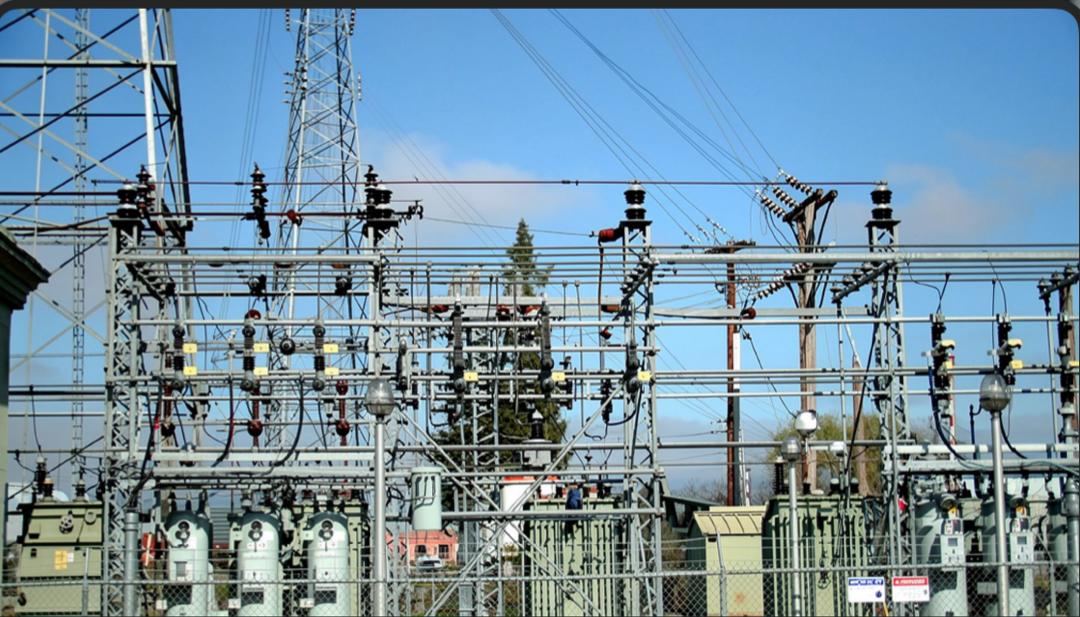
UNILAG Don Warns Nigeria’s Power Crisis Will Persist Without Grid Reform, Urges Decentralised Energy Shift A University of Lagos UNILAG professor, Peter Oluseyi, has warned that Nigeria’s electricity crisis will continue to worsen unless the country urgently undertakes major reforms of its power grid and adopts decentralised energy solutions. The don made the call while speaking on the persistent challenges in Nigeria’s power sector, noting that structural weaknesses in generation, transmission, and distribution have left the national grid unreliable and unable to meet rising demand.Oluseyi cautioned that the ongoing electricity shortages are deepening inequality across the country, as households, small businesses, and industries are forced to rely on expensive self-generation through fuel-powered generators. He said this dependence increases production costs, limits productivity, and worsens economic strain, especially for low-income communities and small enterprises.The UNILAG professor stressed that Nigeria must move away from an overly centralised electricity structure and embrace a hybrid system that combines a strengthened national grid with decentralised, modular energy solutions such as solar mini-grids and localized power systems.According to him, decentralised energy would improve reliability, reduce pressure on the national grid, and expand access to electricity in underserved and rural areas.Oluseyi also called for broader structural reforms in the power sector, including improved planning, stronger investment in infrastructure, and integration of modern technologies to enhance efficiency. He emphasised that without urgent intervention, Nigeria’s electricity challenges would continue to hinder economic growth and development.Experts have consistently linked Nigeria’s electricity crisis to aging infrastructure, inadequate investment, and weak transmission capacity, which contribute to frequent grid failures and unstable supply across the country. The call by the UNILAG academic adds to growing advocacy for renewable energy expansion and decentralised power systems as practical solutions to Nigeria’s long-standing electricity challenges.