Ukraine’s Postal Workers Risk Their Lives To Deliver Aid Along Front Lines
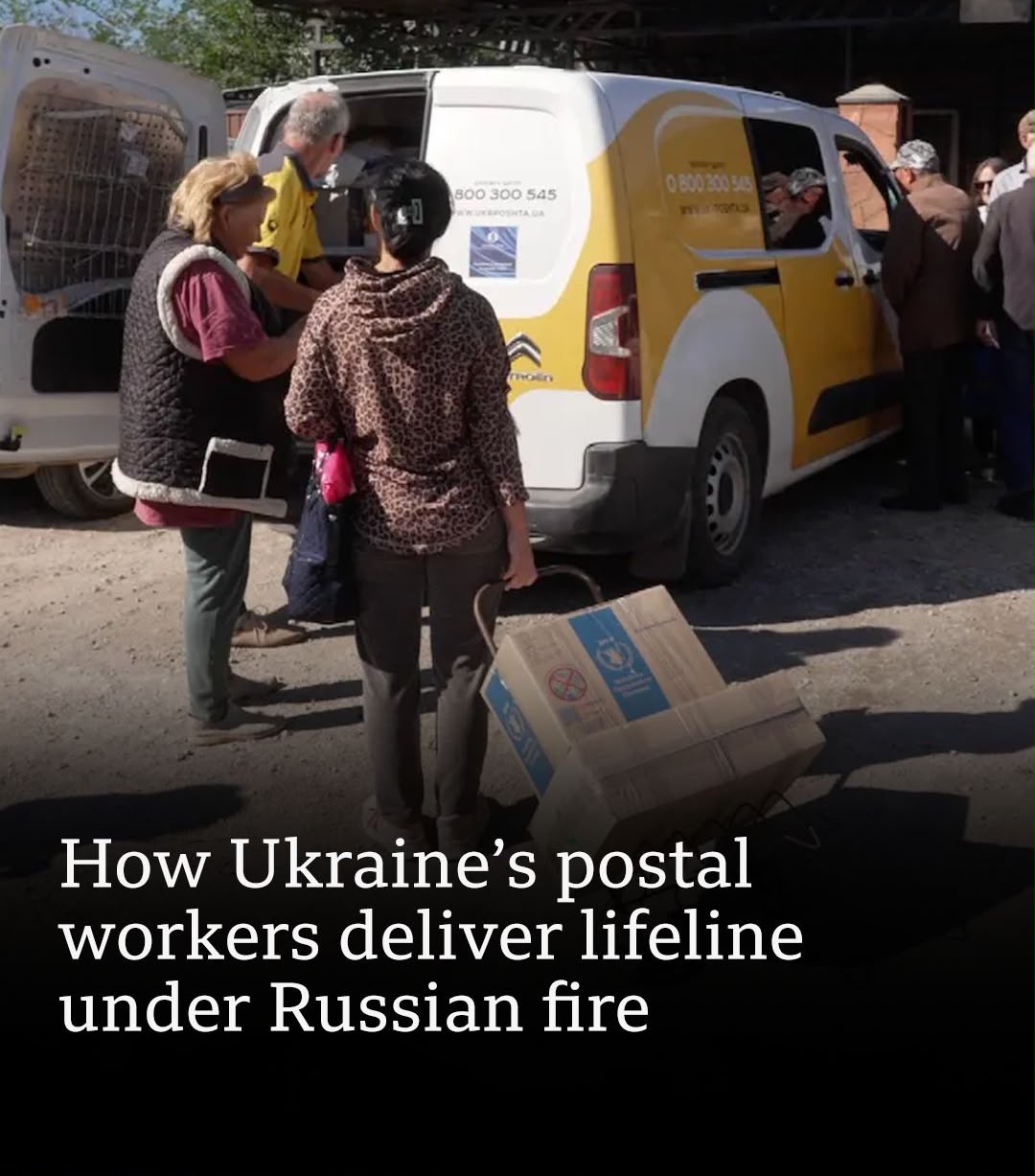
Ukraine’s Postal Workers Risk Their Lives To Deliver Aid Along Front Lines Every day, Ukraine’s state postal service faces a difficult decision over how far its workers can safely travel into some of the country’s most dangerous frontline areas, where Russian drones have transformed roads and open spaces into deadly “kill zones. The head of Ukraine’s postal service, Ukrposhta, Igor Smelyansky, reviews live information about Russian attacks before deciding where postal teams can operate and how close they can safely get to the front line. “If it’s too dangerous to go today, we won’t go,” Smelyansky said. “We’ll go tomorrow, or we’ll go somewhere else. Ukrposhta’s role extends far beyond delivering letters and parcels. Its workers also deliver pensions, collect payments for utility bills and transport essential food and medicines to people living in isolated communities, including areas close to active fighting.This means postal workers often have to enter areas where the threat from drones is constant. Since Russia’s full-scale invasion began, hundreds of Ukrposhta branches and vehicles have reportedly been damaged or destroyed, while more than 50 employees have lost their lives while working in dangerous areas. The growing use of drones has dramatically changed conditions along Ukraine’s front lines. Reconnaissance and attack drones can monitor roads and open areas continuously, making even short journeys extremely dangerous. The resulting areas of intense surveillance and attack have increasingly been described as “kill zones.”The threat has also affected Ukrainian soldiers, medical teams and humanitarian workers operating near the front. For Ukrposhta, the challenge is to keep essential services operating without unnecessarily exposing employees to danger. For civilians living near the battlefield, postal workers can represent an important link to the outside world.A visit from Ukrposhta may mean receiving a pension in cash, obtaining medicine or food, paying bills or simply maintaining contact with services that remain difficult to access because of the war. The postal service therefore has to balance its humanitarian responsibilities with the safety of its employees. Smelyansky said flexibility is critical, with routes and destinations adjusted according to the latest security information. The continued operation of Ukrposhta illustrates how Ukraine’s civilian infrastructure has adapted to prolonged warfare.While Russian attacks continue to threaten roads, buildings and essential infrastructure, workers across the country continue providing services to communities close to the front.For postal workers, however, every journey requires a fresh assessment of whether the need to deliver essential services outweighs the immediate risk of entering the frontline “kill zone.” Their work has become another example of the extraordinary risks faced by Ukrainian civilians as the war continues.