Ukraine Deploys Combat Robots To Replace Soldiers On Frontlines
Ukraine Deploys Combat Robots To Replace Soldiers On Frontlines
Kyiv increasingly turns to robotic warfare, using unmanned systems in assault missions to offset Russia’s manpower advantage
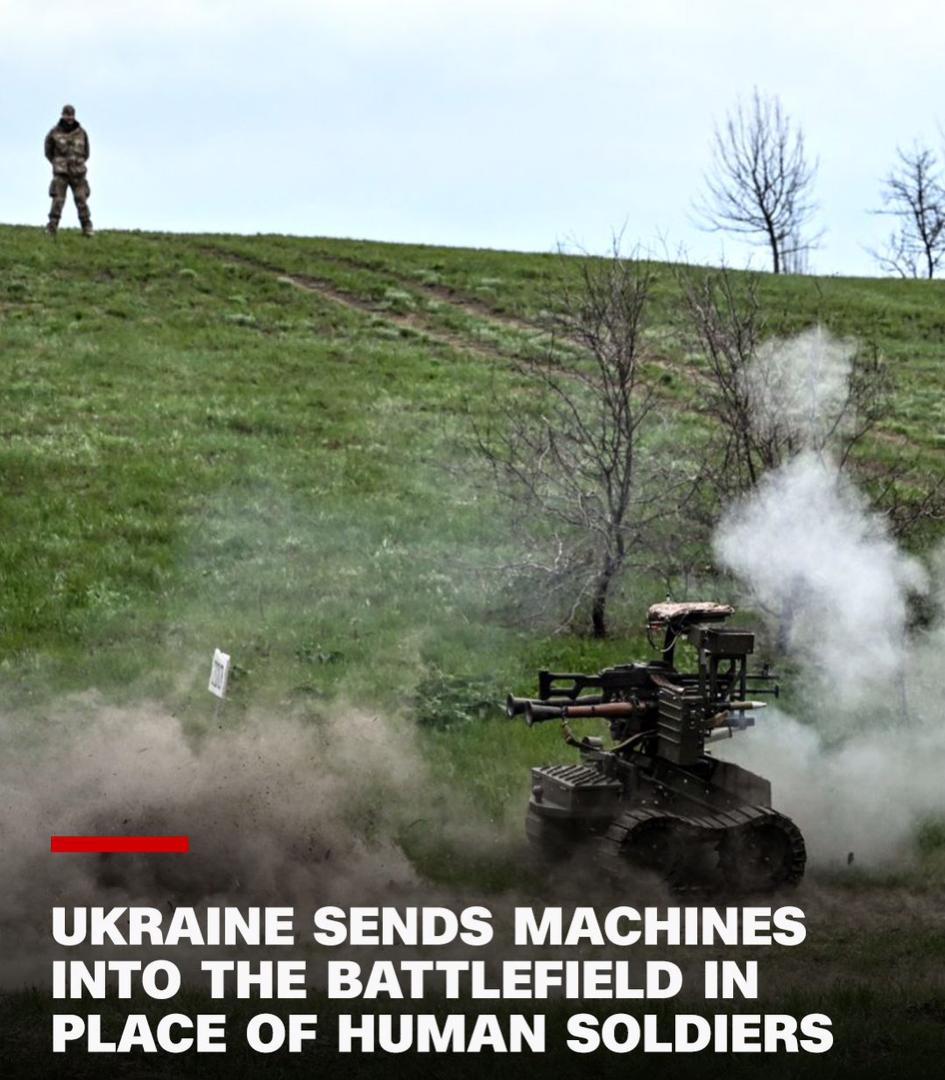
Ukraine’s military is rapidly expanding the use of robotic systems on the battlefield, deploying unmanned machines to perform combat assault missions and reduce risks to human soldiers amid its ongoing war with Russia According to a CNN analysis, Ukrainian forces are increasingly relying on ground robots and autonomous systems to carry out dangerous frontline operations traditionally performed by infantry troops. The shift reflects Kyiv’s effort to counter Russia’s numerical advantage in manpower while minimizing casualties among Ukrainian fighters. Military commanders say robots are now being used not only for reconnaissance and logistics but also for direct combat assaults marking a significant evolution in modern warfare. These unmanned platforms can storm enemy positions, deliver explosives, evacuate wounded troops, and transport supplies without exposing soldiers to immediate danger. The expansion comes as Ukraine continues to innovate technologically to sustain resistance against Russian forces. Officials believe robotic systems could eventually replace a substantial portion of frontline infantry roles if development and production continue at the current pace.
Reports indicate Ukrainian ground robots are already conducting thousands of missions monthly, demonstrating growing integration into military strategy. Some operations have even been completed entirely by drones and robotic vehicles without human troops entering contested zones, highlighting the accelerating role of automation in warfare. Ukraine formally established a dedicated Unmanned Systems Forces branch in 2024, becoming the first country to create a military unit focused entirely on robotic and drone warfare across land, sea, and air domains.
Analysts say the technology provides a crucial advantage because “robots don’t bleed,” allowing commanders to preserve personnel while maintaining offensive pressure. However, experts caution that robots still face limitations, particularly in complex urban combat situations that require human judgment and adaptability.
Since Russia’s full-scale invasion began in 2022, Ukraine has emerged as a global leader in battlefield innovation, rapidly adapting commercial drones and developing specialized robotic platforms to compensate for shortages in troops and heavy equipment. The growing reliance on robots signals a major transformation in warfare, where autonomous systems increasingly complement and sometimes replace human soldiers. Military analysts warn the Ukraine conflict may serve as a preview of future wars dominated by artificial intelligence, robotics, and unmanned combat systems