Netanyahu Seen Yielding To Trump Pressure To Halt Fighting
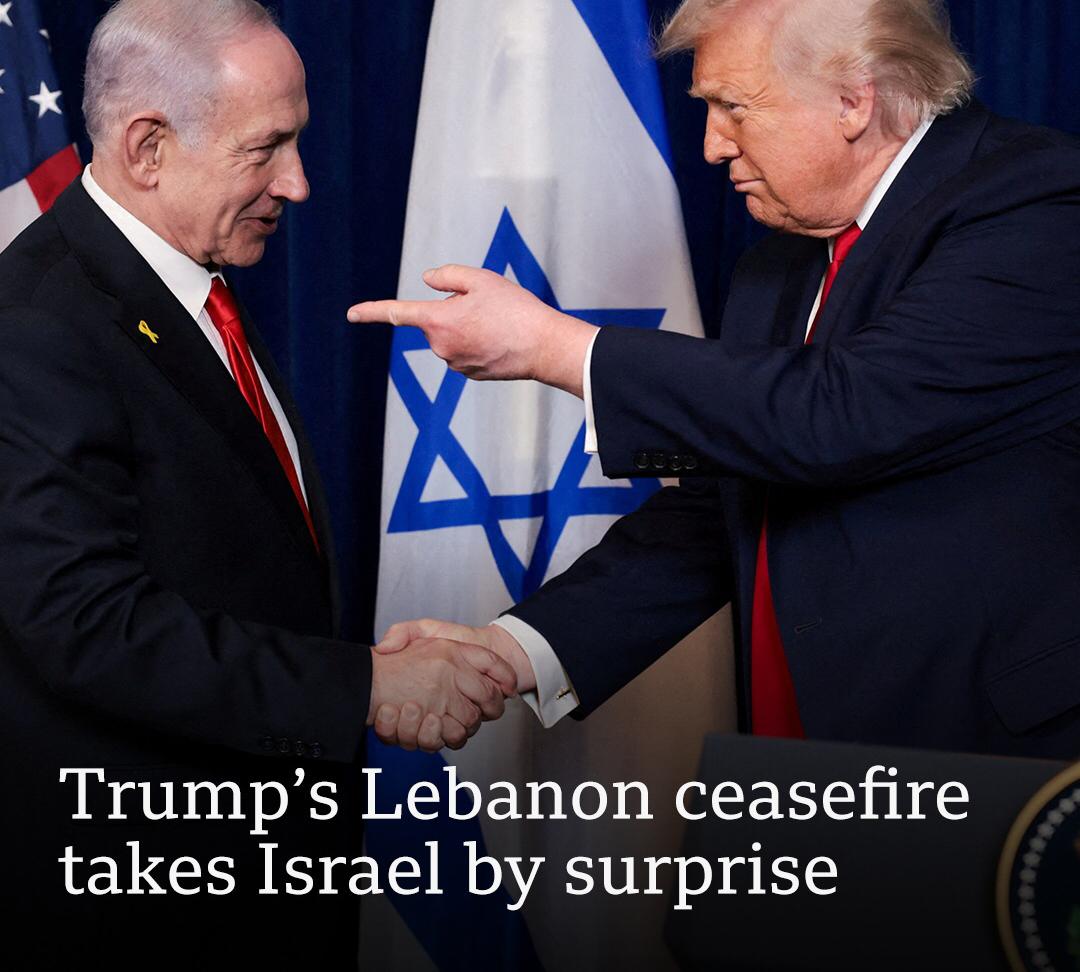
Netanyahu seen yielding to Trump pressure to halt fighting, Lucy Williamson says ceasefire push reflects growing US influence over Israel’s military decisions amid escalating regional tensions To many observers, Israeli Prime Minister Benjamin Netanyahu appears to be bowing to pressure from US President Donald Trump to halt fighting in the Middle East, according to analysis by BBC correspondent Lucy Williamson. In her assessment, Williamson argues that Israel’s willingness to consider a ceasefire reflects the decisive role Washington continues to play in shaping the course of the conflict. The push to pause hostilities comes after intensified diplomatic engagement led by the United States, which has sought to prevent further regional escalation. The BBC analysis notes that Trump has publicly advocated an end to prolonged military operations, urging Israeli leadership to scale back combat activities and pursue negotiated solutions. The ceasefire discussions have therefore been widely interpreted as aligning with American strategic priorities rather than solely Israeli military calculations. For Netanyahu, the decision presents a complex political balancing act. Domestically, he faces pressure from security hardliners demanding continued military action, while internationally he must manage relations with Israel’s most important ally, the United States. Williamson writes that Israel’s dependence on US military, diplomatic and political backing makes it difficult for any Israeli government to ignore Washington’s wishes especially during a crisis with broader geopolitical implications. The analysis also highlights how ceasefire diplomacy often exposes tensions between battlefield objectives and long-term strategic alliances. While Israeli officials frame the pause as a tactical move, critics argue it demonstrates how external pressure can shape Israeli war strategy. Supporters of the ceasefire, however, say the move could reduce civilian suffering, open humanitarian corridors and create space for wider negotiations aimed at stabilising the region. The situation remains fluid, with uncertainty over whether the halt in fighting will lead to a lasting settlement or merely a temporary pause before renewed confrontation.