UK Government Announces Major SEND Reform: Education Care Plans Reserved
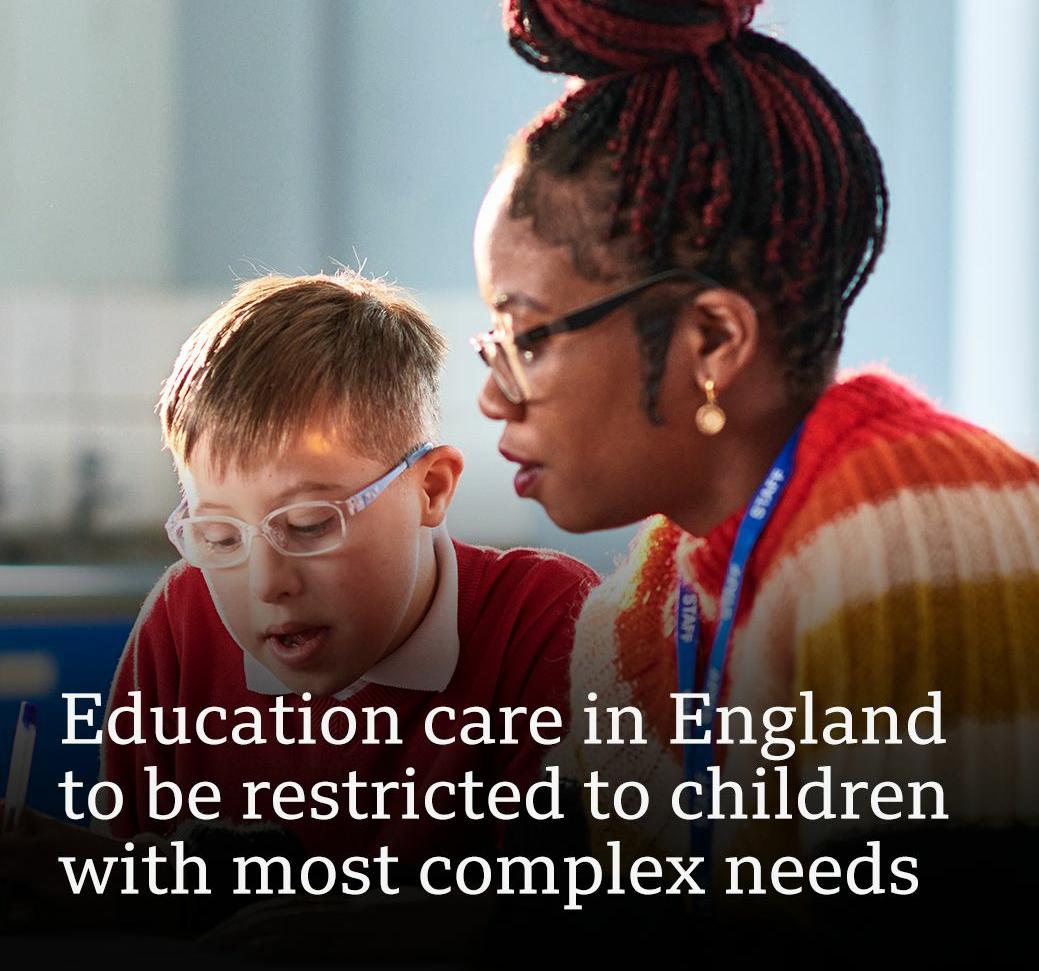
UK Government Announces Major SEND Reform: Education Care Plans Reserved for Most Complex Needs by 2035
The UK government has unveiled sweeping reforms to the Special Educational Needs and Disabilities (SEND) system in England, proposing that traditional Education, Health and Care Plans (EHCPs) will, by 2035, be reserved for children with the most severe and complex needs. EHCPs the legal documents that currently set out what support a child with SEND is entitled to will become limited to the most complex cases by 2035 under the SEND White Paper reforms. Most children with SEND will instead receive new Individual Support Plans (ISPs) drawn up by schools, designed to ensure early and tailored support within mainstream education. ISPs will be legally required, and include access to services such as psychologists and therapists, but unlike EHCPs they won’t automatically guarantee tribunal appeal rights, prompting concerns from parent groups.
Reforms will begin with assessments from 2029, with transitional arrangements starting then. Between 2030 and 2035, many children will be reassessed and, where appropriate, moved from EHCPs to ISPs during natural education transition points such as from primary to secondary school or onwards into further education. By 2034-35, the proportion of pupils with EHCPs is forecast to fall from current levels to around 4.7% of all students, as more children are supported under the new tiered system.
EHCPs will remain for children with complex specialist needs that cannot be met through mainstream education alone.
ISPs will replace most EHCPs and be legally required for all children with identified SEND. Schools will have a statutory duty to create these plans, with support from a new national framework of interventions. Children already in special school placements when reforms begin will be protected and can continue until the end of their education phase. The government has pledged £4 billion in extra funding for SEND provision as part of the reforms including £1.6 billion for mainstream school support and £1.8 billion for SEND specialists such as therapists and specialist teachers.
Additional funds aim to create tens of thousands of new specialist places for the most complex needs.
Teachers will receive training to better support SEND students within mainstream classrooms. Ministers argue the current SEND system is “broken” and financially unsustainable, with the number of EHCPs more than doubling over the past decade leading to long waits, rising costs, and adversarial disputes between parents and councils. The reforms are pitched as a way to ensure children get earlier, consistent support tailored to need rather than reliant on legal status and to reduce the “postcode lottery” in access to services. Parent groups and charities have raised fears that restricting EHCPs might erode legal protections and limit access to specialist support for many children.
Some educators and unions have criticised the level of funding and workload implications for schools tasked with implementing ISPs.
Child campaigners and the Children’s Commissioner have welcomed parts of the plan but emphasised the importance of protecting existing entitlements and ensuring no child is left unsupported.Children already on EHCPs will keep them at least until their next key transition, such as moving from primary to secondary. Thousands of EHCP holders may be reassessed and moved to ISP support if their needs are deemed manageable within the new mainstream tiered system. Legal appeal rights will shift: parents unhappy with an ISP will initially appeal through schools and local authorities, rather than directly to an independent tribunal as with EHCPs.