U.S. Immigration Crackdown Under Trump’s Second Term Adds Deportation Risk
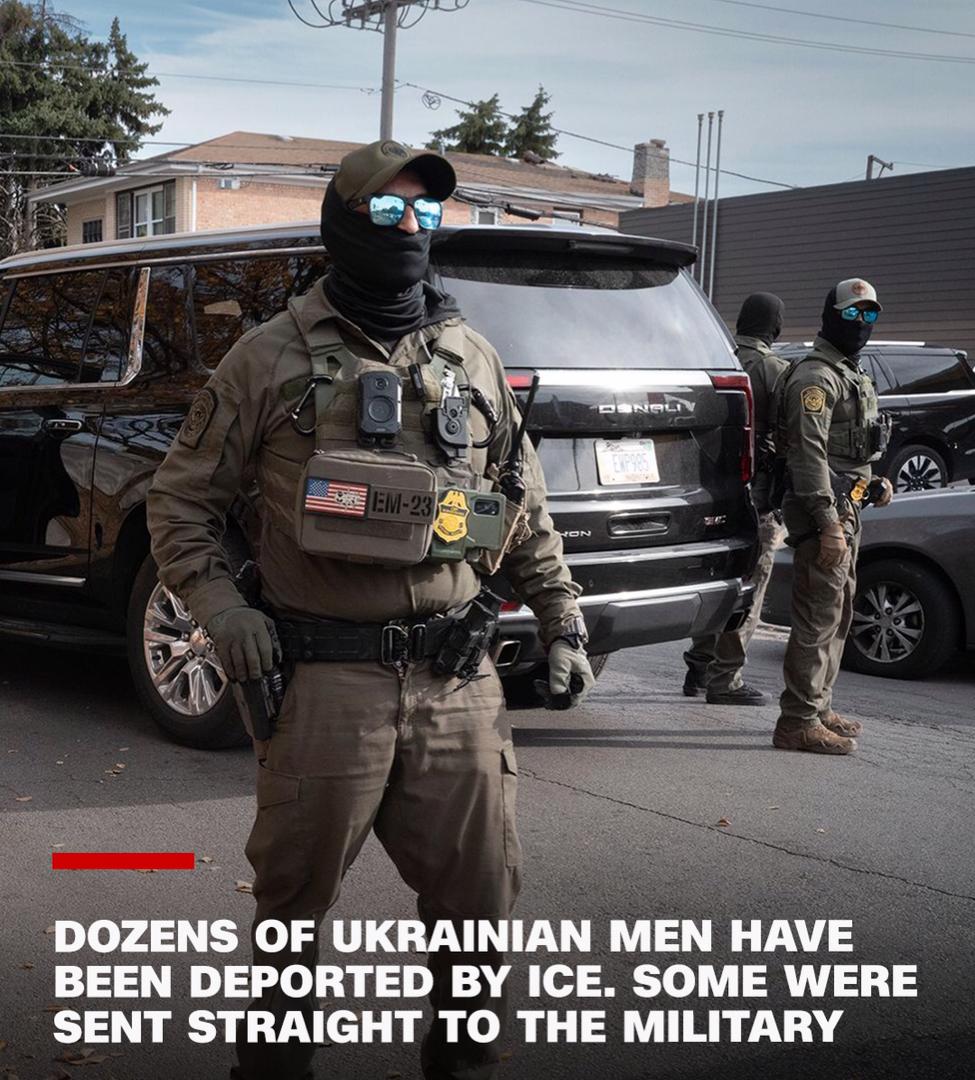
U.S. immigration crackdown under Trump’s second term adds deportation risk for Ukrainian men Under President Donald Trump’s second term, the United States has dramatically tightened immigration policy, embarking on a broad deportation campaign that has created deep uncertainty for hundreds of thousands of foreign‑born residents and asylum recipients. For some Ukrainian men of fighting age, deportation could mean being sent back into the middle of the war in Ukraine, where they risk conscription or being thrust into combat.
Deportation campaign and broader crackdown
Since Trump’s second inauguration on January 20, 2025, immigration enforcement has surged, with Immigration and Customs Enforcement (ICE) expanding raids, detentions and removals across the country as part of a policy aimed at removing undocumented immigrants and tightening legal status for many others. Trump’s administration has reversed previous immigration policies, increasing enforcement authority, cracking down on asylum and refugee programs, and broadening the criteria for deportation. These measures have formed part of what critics describe as a mass deportation drive not seen in recent U.S. history. The intensified enforcement has also led to expanded detention with operations in sanctuary cities, workplaces, and even hospitals and places of worship and a widely expanded role for federal officers in rounding up migrants. Many detainees have been held in difficult conditions, and courts have ruled thousands of detentions unlawful. Impact on immigrants and legal status holders Legal protections for many immigrants have been rolled back, resulting in some with visas, protected status or parole facing detention and removal. The Trump administration suspended or curtailed refugee admissions, ended humanitarian parole for several nationalities and made it easier to strip people of legal status, leaving many at risk of deportation including people who entered lawfully or fled conflict. Ukrainian nationals living in the United States under programs such as “Uniting for Ukraine” or humanitarian parole are part of groups affected by these sweeping changes. Some Ukrainian men, particularly those of conscription age, face a unique danger: if deported back to Ukraine, they could be required to register for military service and potentially drafted into frontline service in an active war zone, raising fears among immigration advocates and families about their safety and rights. Specific cases and reports document Ukrainians leaving the U.S. out of fear of enforcement and deportation, choosing voluntary return to Ukraine despite ongoing conflict rather than risk detention by immigration authorities. The escalation in deportations and enforcement has triggered significant protests across the United States, from major urban centres including Los Angeles, New York and other states. Demonstrators and immigrant rights groups argue that the policies tear families apart, undermine due process and target a broad range of immigrants, including refugees and asylum seekers. The protests have been ongoing since early 2025 as mass deportation operations intensified. Civil rights advocates and legal experts have warned that the expanded enforcement undermines protections for legal immigrants and asylum seekers, leaving individuals vulnerable to detention and removal even when they fled war or persecution. The policies have drawn criticism for using expedited procedures and broad enforcement authority, which can result in deportations without full hearings or adequate legal safeguards.