Trump Administration’s New International Student Visa Rules Criticised As “misguided And Unnecessary”
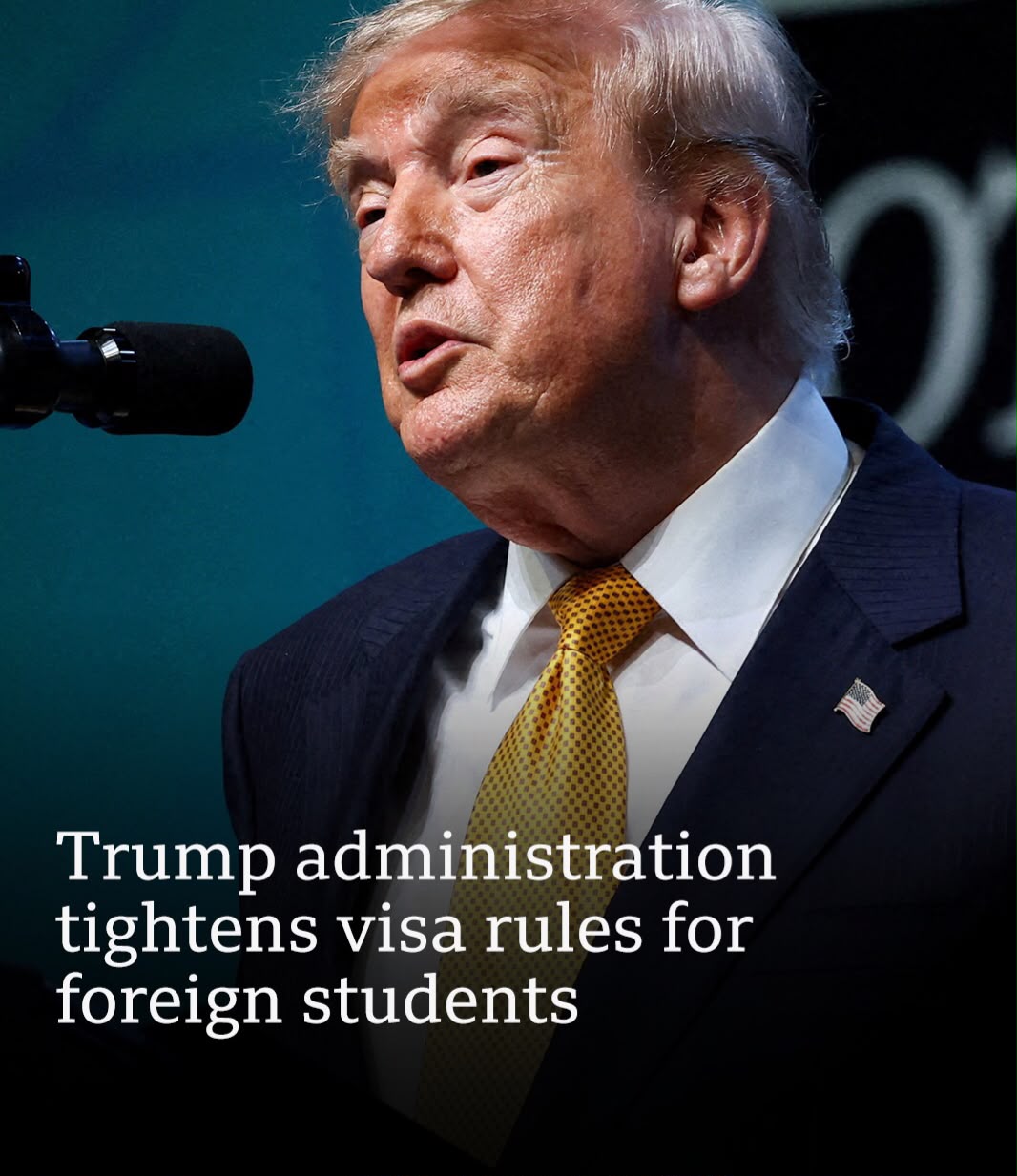
Trump administration’s new international student visa rules criticised as “misguided and unnecessary” Education leaders warn new limits on foreign students could discourage global talent from studying in the United States. The Trump administration has introduced new rules that place a four-year limit on how long most international students can remain in the United States, a significant change from the previous system that generally allowed students to stay for the duration of their academic programmes. The policy is scheduled to take effect in September. The new regulations also impose stricter conditions on students wishing to change their academic programme or major, requiring greater federal oversight than under previous rules. The changes have drawn criticism from education organisations, including the Association of International Educators NAFSA, which described the policy as “misguided and unnecessary.” The group argues that international students are already subject to extensive monitoring and compliance requirements, making the additional restrictions redundant. Fanta Aw, chief executive of NAFSA, said the new measures risk damaging the United States’ reputation as a destination for higher education, warning they could discourage talented students and researchers from choosing American universities. She said the policy sends a message that the U.S. is becoming less welcoming and less predictable for international scholars. The Department of Homeland Security defended the move, saying fixed visa limits will close loopholes that have allowed some students to extend their stay beyond their intended period of study. Officials say the changes are designed to strengthen screening, monitoring and immigration enforcement. The policy is the latest in a series of immigration measures affecting international students, including increased scrutiny of visa applicants and expanded social media checks. Education leaders warn that, combined with declining international enrolment, the new rules could have financial consequences for universities that rely on tuition from overseas students and could reduce the country’s ability to attract skilled global talent.