Too Much Time Working Alone Could Harm Mental Health, Study Finds
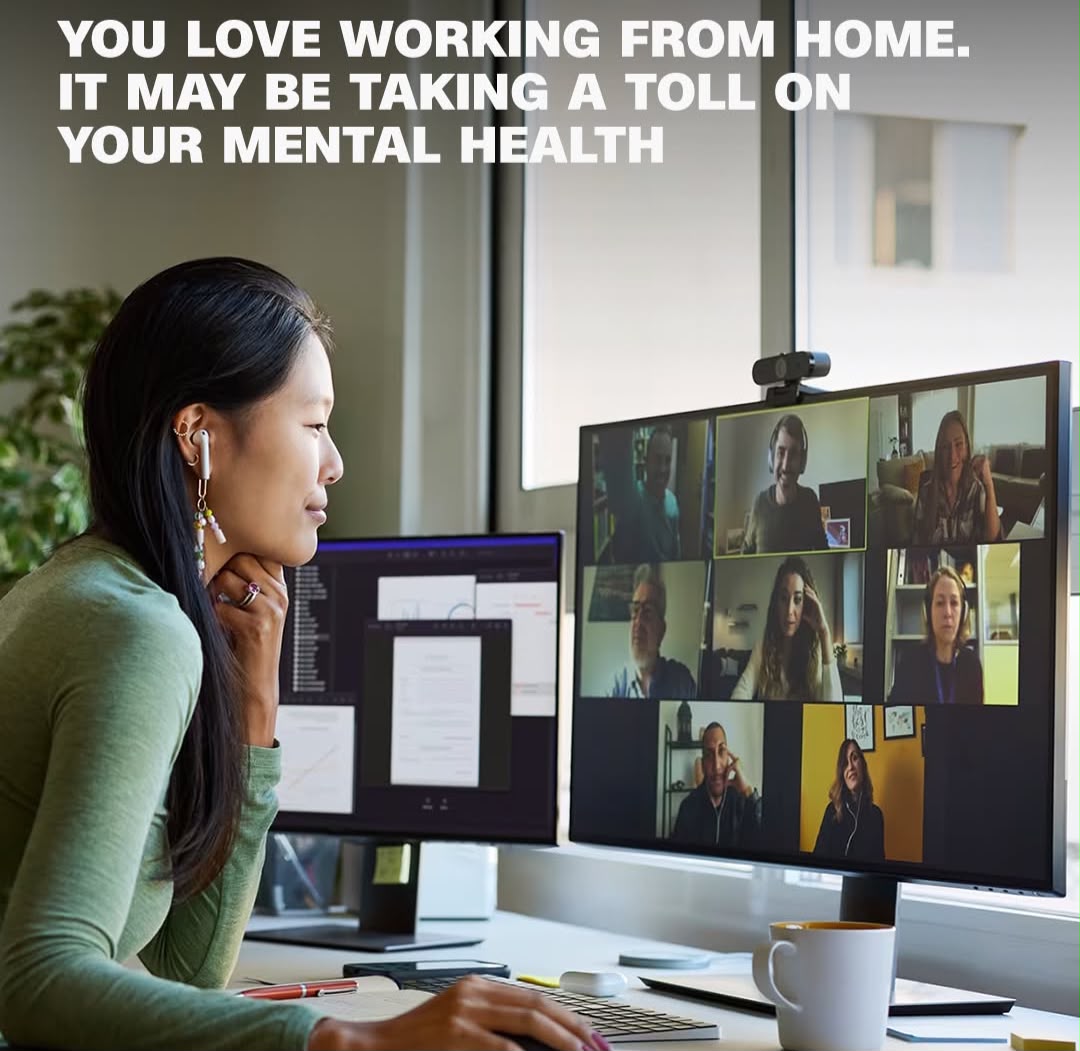
Too Much Time Working Alone Could Harm Mental Health, Study Finds Spending too much time working alone could have negative effects on people’s mental health, according to new research highlighting the importance of meaningful social interaction in the workplace. The findings come as companies increasingly introduce return-to-office mandates, reigniting debate over the benefits and drawbacks of remote and hybrid working arrangements. Experts say that regardless of where people work, maintaining regular and meaningful social connections can play an important role in protecting mental wellbeing. Workers who spend long periods working in isolation may miss out on everyday interactions with colleagues, including informal conversations and opportunities to build relationships. The research suggests that the issue is not simply whether people work remotely or from an office, but whether their working lives provide enough meaningful opportunities for social connection. A growing number of companies have been asking employees to return to physical workplaces, with some organisations introducing stricter office attendance requirements. Supporters of office-based work have pointed to collaboration and social interaction as potential benefits, while critics argue that remote work can offer greater flexibility and improve work-life balance. The latest research adds another dimension to the debate by emphasising the potential mental-health consequences of prolonged isolation. Experts recommend that workers make deliberate efforts to incorporate social interaction into their daily routines, regardless of whether they work from home, in an office or under a hybrid arrangement. Simple activities such as speaking with colleagues, having face-to-face conversations and maintaining social relationships outside work could help reduce the effects of isolation. The findings suggest that employers may also need to look beyond office attendance figures and consider whether their workplace policies genuinely support employees’ social and mental wellbeing. As working patterns continue to evolve, creating opportunities for meaningful human connection could remain an important part of a healthy working life.