Tinubu’s Reforms Spared Nigeria Deeper Economic Crisis Shettima
Tinubu’s Reforms Spared Nigeria Deeper Economic Crisis Shettima
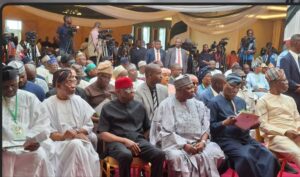
Vice-President Kashim Shettima has defended President Bola Ahmed Tinubu’s economic reforms, saying the administration’s decisions have spared Nigeria a deeper economic crisis that could have resulted from further delays in implementing critical policies. Shettima said the reforms were necessary to address longstanding structural weaknesses in the economy, arguing that postponing difficult decisions would have made the country’s economic challenges more severe. The Vice-President spoke on Monday, October 19, while addressing leaders and members of the City Boy Movement at the State House Conference Hall in Abuja. He acknowledged that Nigerians had endured significant economic hardship following the implementation of the reforms but maintained that the government had a responsibility to ensure that the sacrifices translated into improved living conditions, more employment opportunities and better livelihoods. According to him, the administration chose to confront difficult economic challenges rather than defer necessary decisions.Shettima said the Tinubu administration had demonstrated a willingness to address structural problems that successive governments had struggled to resolve. He credited the President with taking what he described as difficult but necessary decisions to reposition the Nigerian economy and prevent a deeper crisis. “What distinguishes this administration from its predecessors is our refusal to pay lip service to the structural reforms Nigeria needs,” Shettima said. He praised Tinubu’s determination to pursue the reforms, arguing that continued delays would have increased the risks facing the economy. “His courage has drawn Nigeria back from the edge of an economic calamity that continued delay would have made inevitable,” the Vice-President added. Shettima maintained that the government understood the consequences of postponing reforms and had chosen to address the underlying economic challenges despite the immediate difficulties associated with implementation. The Vice-President acknowledged that the reforms had placed considerable pressure on households and businesses, particularly as citizens continued to grapple with the cost of living. He said the administration recognised the sacrifices Nigerians had made and understood that economic policy should ultimately be assessed by its impact on people’s daily lives. “We recognise the pressures Nigerians have endured, and our obligation is to ensure that their sacrifices yield better livelihoods,” he said. Shettima added that the government needed to listen to citizens, address policy shortcomings and measure progress against the experiences of ordinary households. “We must earn that patience by listening attentively, correcting what fails and measuring progress against the daily experience of households,” he said. His remarks reflected the administration’s position that economic reforms should be accompanied by measures capable of reducing hardship and improving access to opportunities. Since assuming office in May 2023, Tinubu has implemented major economic policy changes, including the removal of the petrol subsidy and reforms to Nigeria’s foreign exchange system. The government has argued that the measures were necessary to reduce fiscal pressures, improve foreign exchange management and create a more sustainable economic environment. Supporters of the policies say they have helped improve government finances and strengthen investor confidence. However, the changes have also contributed to higher living and operating costs, with households and businesses facing increased expenses for transportation, food, electricity and other essential needs. The administration has maintained that the reforms are intended to establish the foundations for long-term economic growth, although their benefits have remained a subject of public debate. , improve the allocation of public resources and address distortions that had affected the economy for years. However, the policies have also generated public debate over their effects on inflation, transport costs, food prices and household purchasing power. The removal of the petrol subsidy increased the cost of fuel, while changes to the foreign exchange market contributed to significant movements in the value of the naira. Although the administration has highlighted improvements in selected economic indicators, the extent to which these changes have translated into better living standards remains a central issue in discussions about the reforms.Addressing members of the City Boy Movement, Shettima also stressed the importance of public engagement and support for the administration’s economic agenda. He called on the movement to communicate the government’s policies and objectives to Nigerians while recognising the concerns of citizens affected by the reforms. The Vice-President said public confidence would depend not only on the decisions taken by the government but also on its ability to demonstrate tangible improvements in people’s lives. e emphasised the need for the administration to sustain its reform programme while remaining responsive to the difficulties facing households and businesses. Nigeria continues to face significant economic challenges, including the cost of living, pressure on household incomes, infrastructure deficits and the need to expand employment opportunities. The government has maintained that its reforms are intended to establish a more sustainable economic foundation and create conditions for long-term growth. Critics, however, have questioned whether the pace of implementation and the measures introduced to cushion the effects of the policies have been sufficient to protect vulnerable Nigerians. The debate centres on whether the reforms can deliver sustained economic growth, stronger purchasing power and measurable improvements in living standards. Shettima’s remarks underline the administration’s position that difficult economic decisions were necessary to address longstanding problems. The government’s challenge remains demonstrating that the anticipated benefits will reach ordinary Nigerians.