Tinubu Says He Has No Regrets Over Subsidy Removal, Defends Economic Reforms
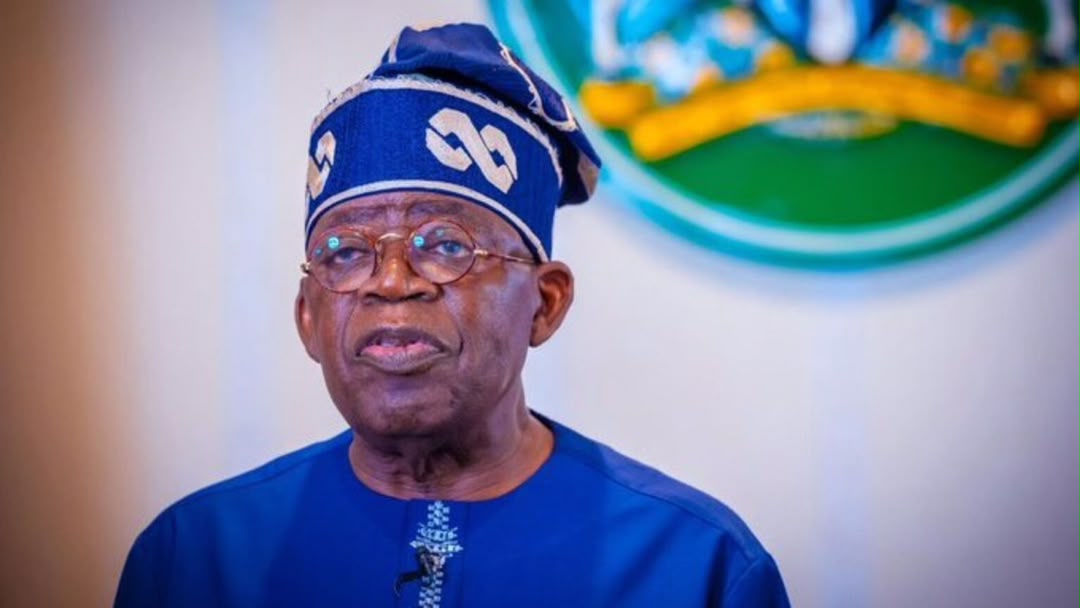
Tinubu Says He Has No Regrets Over Subsidy Removal, Defends Economic Reforms President Bola Ahmed Tinubu has declared that he has no regrets over the removal of petrol subsidy and other economic reforms introduced by his administration, insisting that Nigeria cannot borrow its way to greatness. The President made the remarks on Monday, October 19, while addressing members of the City Boys Movement at a gathering in Abuja, where he defended his administration’s economic policies and urged supporters to mobilise ahead of the 2027 general elections. Tinubu maintained that the decision to end petrol subsidy on his first day in office was necessary to address what he described as a critical fiscal situation inherited by his administration in May 2023. He said Nigeria could no longer sustain the financial burden associated with the subsidy regime and argued that reversing the policy would undermine the government’s efforts to stabilise the economy. “No regrets,” the President said, reaffirming his determination to continue with the reforms despite the hardship and criticism associated with their implementation. Tinubu strongly rejected calls by some opposition politicians for the restoration of petrol subsidy, maintaining that the country could not return to a policy he considers financially unsustainable. He compared the proposed reversal to asking Moses to return to Egypt after leading the Israelites out of captivity, using the biblical analogy to emphasise his position that Nigeria must continue on its current economic path. The President said his administration had taken difficult decisions because of the financial challenges facing the country, including obligations to creditors and pressure on government revenue. He argued that the government needed to confront longstanding economic problems rather than continue borrowing to finance expenditure it could no longer sustain. Tinubu also criticised the condition of the economy when he assumed office, citing outstanding financial obligations, pressure on foreign reserves and previous reliance on monetary expansion. According to him, his administration chose to accept responsibility for addressing the challenges rather than postpone difficult decisions. The President insisted that the reforms were intended to establish a more sustainable economic foundation, even though their immediate effects had placed pressure on households and businesses. Tinubu reiterated that borrowing alone could not deliver lasting national development, arguing that Nigeria needed to strengthen its revenue base and manage public finances more sustainably. He said the government had been required to make difficult choices to address structural economic weaknesses and reduce dependence on policies that placed a heavy burden on public finances. The President acknowledged that the past three years had not been easy but maintained that the country needed to remain committed to its reform programme. He also expressed confidence that young Nigerians would continue to support the administration, despite predictions by critics that the economic measures would alienate younger voters. Addressing members of the City Boys Movement, Tinubu urged them to communicate the administration’s policies and achievements to people in their communities. He encouraged supporters to visit campuses, markets and villages to explain the government’s agenda and engage voters through ideas rather than confrontation. The President’s position comes as the Minister of Finance and Coordinating Minister of the Economy, Taiwo Oyedele, warned that restoring petrol subsidy could trigger capital flight, weaken investor confidence and place additional pressure on the naira. Oyedele issued the warning during a press briefing at the International Monetary Fund and World Bank annual meetings in Bangkok, Thailand. The minister said investors had repeatedly raised questions about whether Nigeria would abandon its economic reforms as the 2027 election approaches. He warned that even a signal that the government was considering reinstating petrol subsidy could affect financial markets, increase borrowing costs and put pressure on the exchange rate. Oyedele projected that the naira could weaken towards ₦3,000, ₦3,500 or even ₦4,000 to the dollar if investors reacted negatively to a reversal of the reforms. He further argued that currency depreciation could make imported petroleum products more expensive in naira terms, potentially undermining the intended benefits of subsidy restoration. The exchange-rate figures were the minister’s projections and should not be treated as a confirmed forecast or an established outcome. The minister’s warning drew criticism from Kola Ologbondiyan, Director of Media and Publicity of the African Democratic Congress (ADC) Presidential Campaign Council. Ologbondiyan accused the government of using alarming projections to discourage public debate about the possible restoration of petrol subsidy. He challenged Oyedele to publish the economic model, assumptions and calculations behind the projection that the naira could depreciate to between ₦3,000 and ₦4,000 per dollar. The ADC spokesman argued that Nigerians deserved evidence to assess the potential consequences of restoring subsidy rather than relying solely on warnings about possible market reactions. He also questioned the government’s reliance on investor sentiment to oppose subsidy restoration, insisting that the projected exchange-rate impact should be supported by transparent analysis. The disagreement reflects the broader debate over the costs and benefits of Nigeria’s economic reforms, with the government emphasising fiscal sustainability and market confidence while critics continue to question the burden on households and the evidence behind some of the government’s projections. Tinubu announced the removal of petrol subsidy during his inauguration on May 29, 2023. The policy change contributed to a sharp increase in petrol prices, with knock-on effects on transportation, food distribution, production costs and household expenditure. The administration has defended the decision as part of a wider effort to reform public finances and redirect resources towards other priorities. However, the benefits and distribution of the savings remain subjects of debate. In July 2026, the Federal Government acknowledged that much of the financial gains from subsidy removal and foreign-exchange reforms had been offset by debt-servicing costs and higher government expenditure. The development has intensified calls for greater transparency over the use of savings from the reforms and for measures to cushion the effects of higher living costs. As the 2027 election approaches, the future of petrol subsidy is emerging as a major policy issue. Tinubu has ruled out a return to the previous arrangement, while opposition figures have called for alternative approaches to reducing the burden of fuel prices on Nigerians. The debate is likely to remain central to discussions about economic management, public spending, household welfare and the competing policy proposals of presidential candidates.