The Bayelsa State Chapter Of The Nigeria Democratic Congress (NDC)
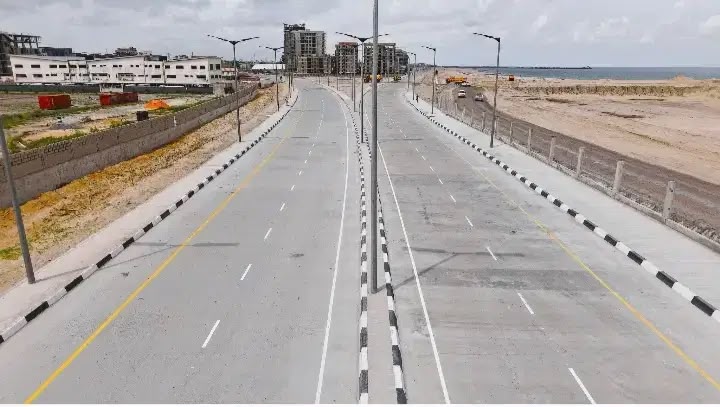
The Bayelsa State chapter of the Nigeria Democratic Congress (NDC) has accused the Federal Government of marginalising the state over the implementation of the Lagos-Calabar Coastal Highway project, insisting that the road must follow its original alignment. The party’s State Publicity Secretary, Prince Mac-Eke, made the allegation while addressing journalists during a media parley at the party’s secretariat in Yenagoa, Bayelsa State. Mac-Eke expressed concern over the proposed realignment of the coastal highway towards the East-West Road, arguing that the move could undermine the project’s original objective of opening up coastal communities in the Niger Delta to infrastructure and economic development. He maintained that the Lagos-Calabar Coastal Highway and the East-West Road were separate projects with different purposes and should not be treated as substitutes for one another. According to him, Bayelsa, as a major oil-producing state that contributes significantly to Nigeria’s revenue, deserves equitable access to federal infrastructure projects and other development initiatives. The NDC spokesman said the commencement of the coastal highway under President Bola Tinubu had raised hopes among the Ijaw people that longstanding infrastructure deficits affecting the region would finally receive greater attention. He, however, expressed disappointment over the proposed route adjustment, questioning why feasibility studies and cost assessments were not adequately addressed before the project commenced. Mac-Eke insisted that the highway should retain its original coastal route, arguing that changing the alignment after construction had begun could deprive Bayelsa and other Niger Delta communities of the benefits anticipated from the project. He said: “As Ijaw people first, we are not going to fall for that trap and we reject it in totality. The road must follow its original plan.” The party spokesman also questioned the rationale behind claims that the difficult terrain and cost of construction could justify altering the proposed route, arguing that the region’s natural resources had continued to contribute significantly to the country’s economic development. He lamented what he described as an imbalance in the distribution of infrastructure, saying oil-producing communities should also benefit from investments funded by national revenue. Mac-Eke further criticised the Bayelsa State Government for what he described as its silence over the controversy, particularly following Governor Douye Diri’s defection to the ruling All Progressives Congress (APC). He questioned whether the governor’s move to the APC had delivered the expected benefits in terms of federal projects and development opportunities for the state. The NDC spokesman also cited Bayelsa’s reported exclusion from federal seaport development plans and President Tinubu’s proposed campaign itinerary ahead of the 2027 general elections as additional examples of what he considered the state’s marginalisation. He argued that the state government should be more vocal in defending Bayelsa’s interests and ensuring that the state receives its fair share of national development projects. The controversy over the coastal highway has also attracted criticism from other Niger Delta stakeholders, including the Ijaw Youth Council and groups representing coastal communities, who have called on the Federal Government to retain the original route. The groups have argued that the highway should improve access to underserved coastal areas, stimulate investment and help address longstanding environmental and infrastructure challenges in the region. Meanwhile, Mac-Eke expressed confidence that the NDC would defeat its political opponents in Bayelsa during the 2027 general elections. He said the party would use grassroots mobilisation and engagement with residents to promote its candidates and persuade voters to support its platform. The Federal Government’s position on the allegations and the proposed route adjustment was not included in the report.