Tehran Vows Revenge After Strikes Kill Senior Iranian Leaders As Conflict Enters Third Week
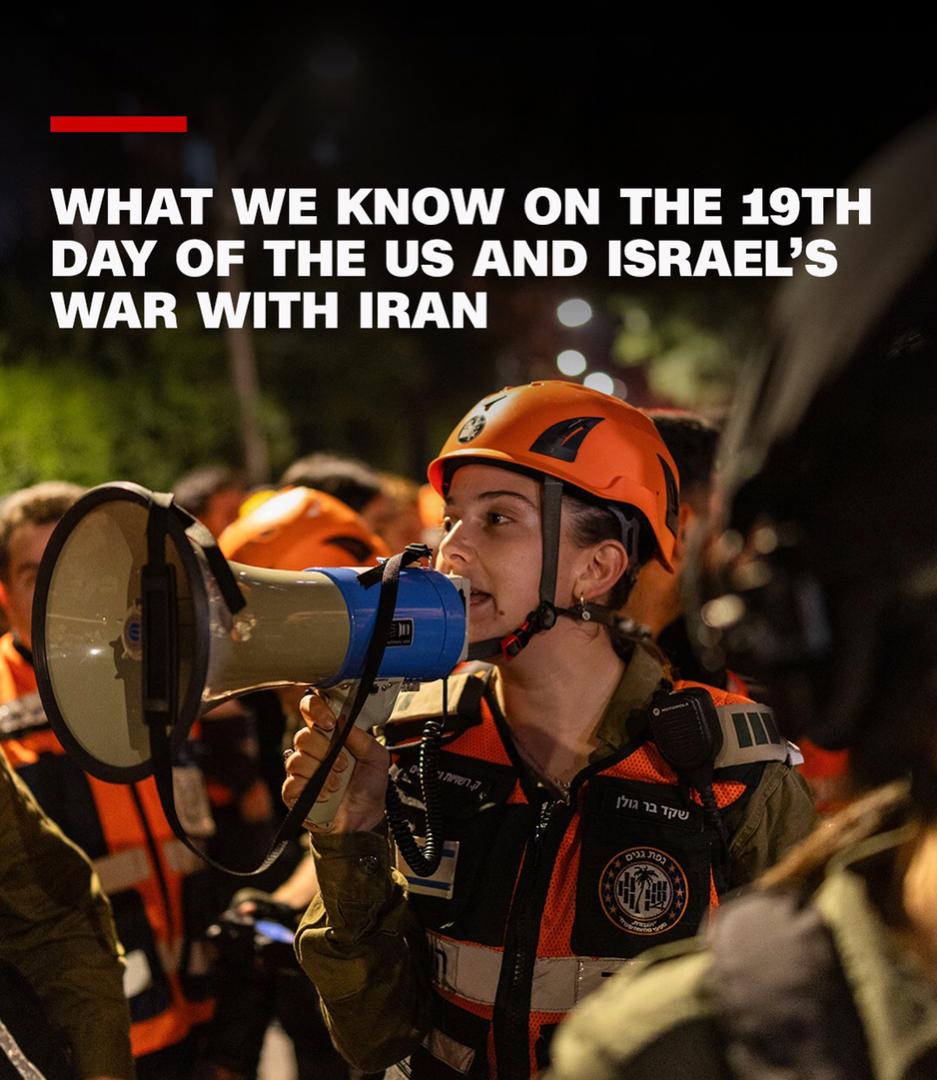
Tehran vows revenge after strikes kill senior Iranian leaders as conflict enters third week Tehran has vowed revenge after Israeli strikes killed two senior figures within the Iranian leadership, as fighting between Iran, Israel and allied militias continues to escalate on day 19 of the conflict sparked by the US‑Israeli attack late last month. The Arab–Persian Middle East war has widened beyond the Iranian heartland, with retaliation claims, proxy attacks and diplomatic fallout unfolding across the region. Iran confirmed that Ali Larijani, secretary of its Supreme National Security Council, was killed in an Israeli airstrike on Tuesday, along with his son and close aides. Larijani was considered one of the most powerful figures in Iranian politics, especially after the death of Supreme Leader Ayatollah Ali Khamenei in earlier strikes. Israel also said another senior Basij paramilitary commander, Gholam Reza Soleimani, was killed in separate strikes that same night. In response, Iranian military and political voices have denounced the strikes as murder and promised a firm response to what they see as an attempt to decapitate Iran’s leadership. The conflict is no longer confined to direct US or Israeli strikes inside Iran. Pro‑Iranian militias have launched attacks on US diplomatic sites, including a drone attack on the U.S. Embassy in Baghdad, which triggered explosions heard around the fortified Green Zone. While no immediate casualties were reported, US air defence systems were activated.
- Iran‑aligned groups have engaged in indirect confrontations with US and Israeli forces across Iraq and Syria
- Hezbollah remains active on the Israel‑Lebanon border, launching rockets in response to strikes
- Gulf states have reported interceptions of missiles and drones linked to Tehran’s retaliation efforts
The Kremlin also condemned the airstrikes on Iranian leaders, labelling them unlawful and calling for an immediate de‑escalation, adding strain to global diplomatic alignments. Iranian authorities have described the loss of Larijani as a serious blow but insist the regime remains intact and determined. State messaging has emphasised that those responsible will “pay” for the strikes, framing the conflict as existential resistance against external aggression.Tehran’s statements include warnings that its possible retaliation could be swift and significant, particularly against Israel and its regional partners who have supported the US‑led campaign. The Middle East conflict has had wider implications:
- Oil markets and global shipping through the Strait of Hormuz have been disrupted as Iran continues missile and drone operations in the Gulf.
- Civilian and military casualties have mounted in Lebanon, Syria and Yemen as proxy factions engage.
- Diplomatic relations among major powers are strained, with calls for ceasefires contrasting sharply with continuing military actions.The situation remains highly volatile, with global attention focused on whether Tehran will launch a major counter‑strike and on how Israel and its allies will respond in the coming days.