Students Need Stronger Government Protection If Universities In England Go Bust, MPs Warn
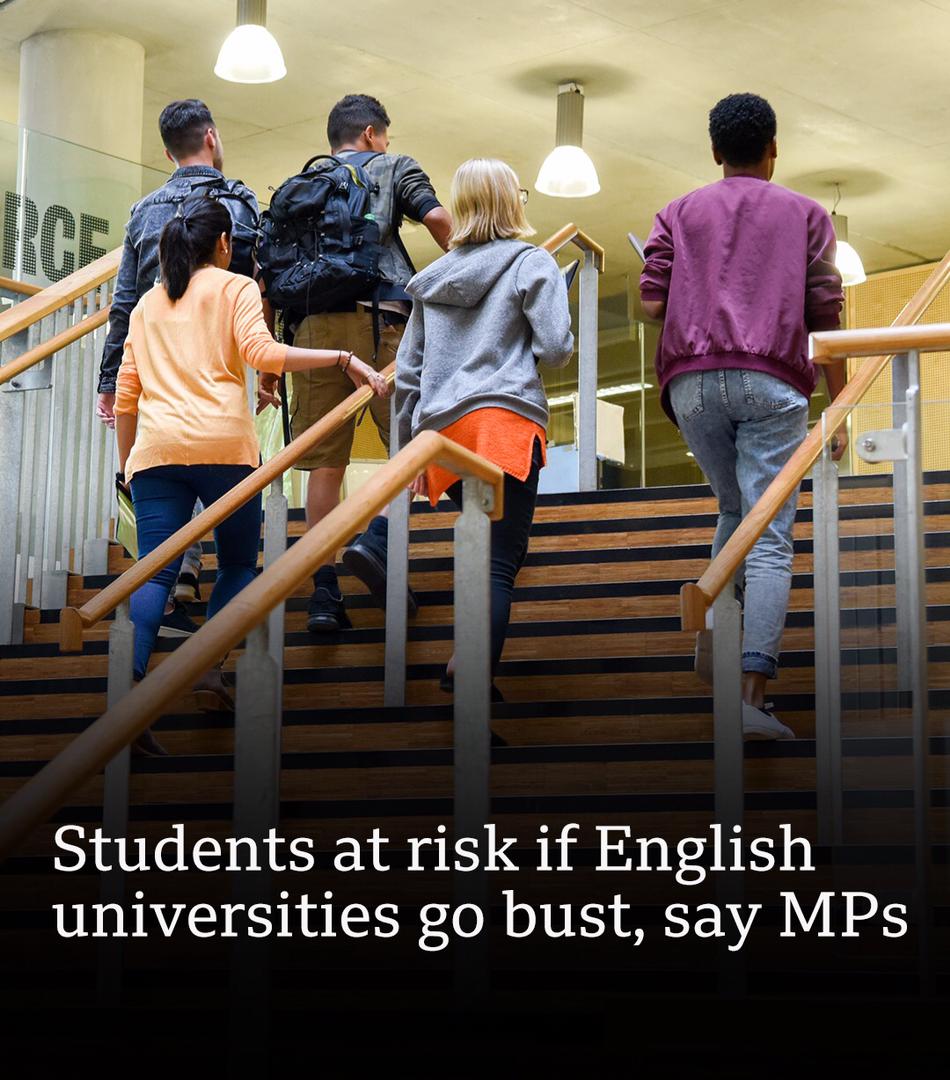
Students Need Stronger Government Protection if Universities in England Go Bust, MPs Warn Students in England require stronger government safeguards if universities collapse financially, Members of Parliament have warned, amid growing concerns about the financial stability of the UK higher education sector. The warning comes as MPs say there is currently insufficient clarity on what would happen to students if a university were to become insolvent or shut down unexpectedly. An influential parliamentary committee has said students could be left stranded if a major university were to go bankrupt, highlighting what it describes as a “real possibility” of institutional failure within the sector. MPs also pointed to conflicting evidence about how prepared the government and regulators are to handle a sudden university collapse, raising concerns about the lack of a clear national contingency plan. The Education Select Committee stressed that students’ academic progress, finances, and accommodation could all be disrupted if a university failed without proper safeguards in place. Lawmakers’ concerns come at a time when the UK higher education sector is under severe financial strain, with many institutions facing deficits due to rising costs, fluctuating international student numbers, and frozen tuition fees.
Recent parliamentary evidence suggests dozens of universities are already cutting courses, reducing staff, and restructuring operations in an attempt to remain financially viable. Some reports estimate that nearly half of universities in England could be in deficit, with several institutions considered at risk of exiting the sector in the coming years. MPs say that while regulators such as the Office for Students (OfS) have some responsibilities to protect students, there is no comprehensive system to guarantee seamless academic continuation if a university collapses.
The committee warned that students could face uncertainty over
- Course continuation and transfers
- Tuition fee repayments and student loans
- Accommodation and visa status for international students
- Academic credit recognition at new institutions
Officials acknowledged that contingency planning exists, but MPs argue it may not be sufficient in the case of a sudden or large-scale institutional failure. The parliamentary committee is urging the government to strengthen protections, including clearer legal obligations for universities and more robust student transfer arrangements in the event of closures. They also want better coordination between regulators, universities, and funding bodies to ensure students are not left disadvantaged if an institution becomes insolvent. MPs stressed that student protection should be treated as a priority given the rising financial risks across the sector.The Office for Students has previously stated that universities are responsible for maintaining financial stability and that it cannot directly prevent closures, but it works to minimise disruption where risks arise. In previous cases of institutional distress, regulators have intervened to help manage orderly transitions, including student transfers and course arrangements. However, MPs argue that relying on reactive measures is not enough and that proactive government planning is urgently needed. With financial pressures continuing to mount across UK universities, lawmakers warn that the risk of institutional failure may increase unless urgent reforms are introduced. For students, MPs say the priority must be ensuring that their education, funding, and future prospects are protected regardless of the financial health of their university.