Starmer Survives A Political Storm But Core Problems Persist
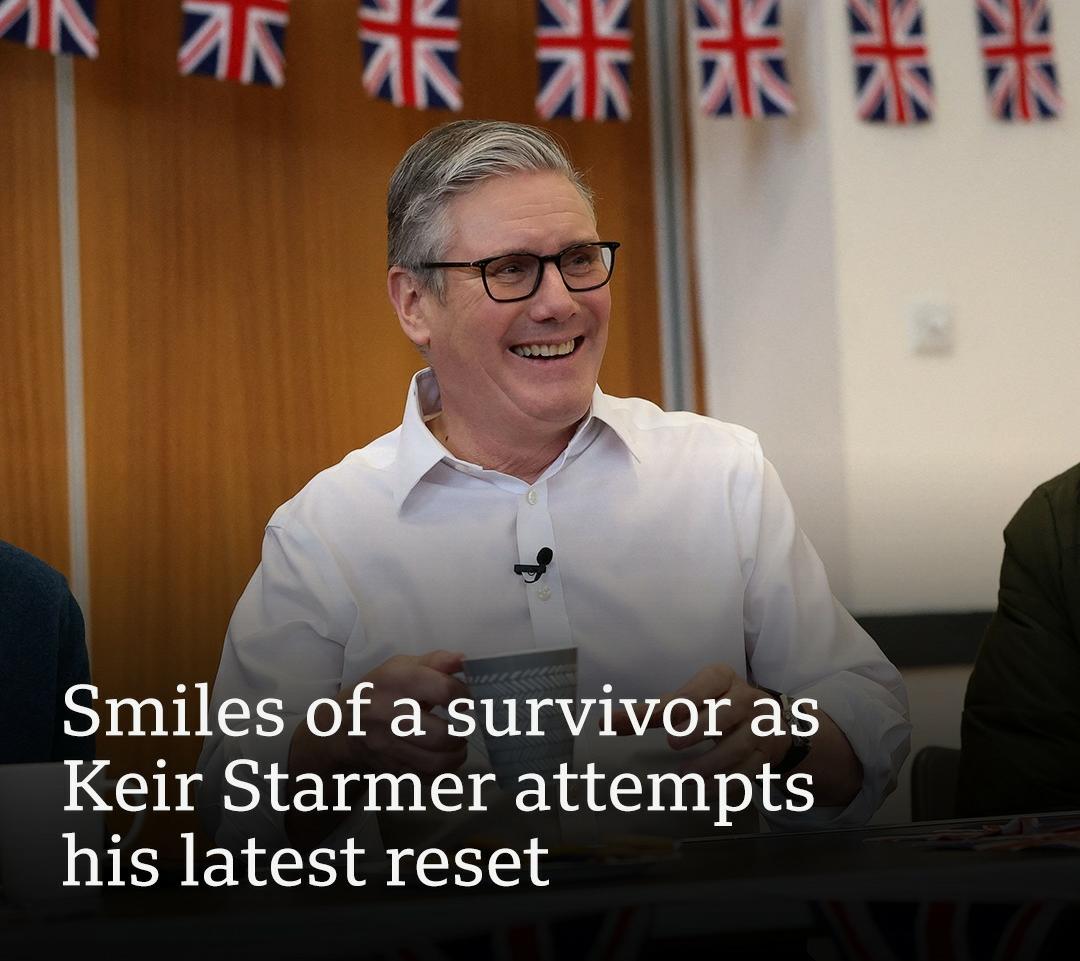
Starmer Survives a Political Storm But Core Problems Persist
LONDON UK Prime Minister Sir Keir Starmer has managed to avert an immediate leadership crisis amid intense internal pressure within the Labour Party yet, according to BBC Political Editor Chris Mason, a deeper set of political and structural challenges facing his government have not fundamentally changed, even if short-term tensions have eased.
Mason wrote that recent developments including rallying support from senior ministers and MPs have “cleared some political air for Starmer for now.” That means the immediate threat of an open leadership coup has receded temporarily.
However, he stressed that the underlying catalysts of this week’s political crescendo remain unaltered implying that while a crisis has been defused, the core political weaknesses still exist.One of the central issues pressuring Starmer’s leadership was his appointment of veteran Labour politician Peter Mandelson as UK ambassador to Washington, despite Mandelson’s long-standing personal ties to the disgraced financier Jeffrey Epstein. When further details emerged via newly released files, public outrage and internal party dissent spiked.
Starmer ultimately dismissed Mandelson and apologised to Epstein’s victims, acknowledging the damage done and attempting to draw a line under the episode.
Senior Backing: Key figures including Energy Secretary Ed Miliband helped stave off open rebellion by calling for unity behind the prime minister.
Resignations and Leadership Pressure: Starmer’s chief adviser Morgan McSweeney resigned amid the backlash, reducing Number 10’s political firepower and exposing continued vulnerability.
Internal Warnings: Some Labour MPs warned Starmer’s “days as PM are numbered”, highlighting a loss of confidence due to judgment questions over Mandelson’s appointment. Even though no formal leadership challenge has materialised yet, insiders suggest figures like Wes Streeting remain poised and may seek leadership after upcoming elections if party support continues to falter.
While short-term pressure has eased, Mason’s analysis suggests that larger, systemic problems for Starmer’s government have not been fully addressed:
Broad public disenchantment with politics and low approval ratings for Starmer’s government continue to undermine his authority. Issues like economic performance, policy U-turns and migration debates have sapped support.
Despite outward displays of unity, internal disagreements persist particularly on strategy, messaging and leadership style. Some senior Labour figures privately question whether Starmer’s approach can regain traction ahead of major local and by-elections. Mason’s point was not just that Starmer survived, but that survival does not equate to resolution the same political and narrative challenges that fuelled this week’s tension remain unresolved.
Political commentators suggest the path ahead could hinge on:
Upcoming by-election and May 2026 local election results, which may give opponents fresh leverage if Labour under-performs.
Whether Starmer and his team can pivot the narrative toward government policy successes and away from controversies.
Continued efforts to rebuild trust both inside the Labour Party and among the broader electorate Immediate political pressure has eased for Sir Keir Starmer, giving him breathing room after a turbulent week.
Underlying issues party divisions, public scepticism, and policy challenges remain intact, meaning Starmer’s leadership is stable for now but not secure in the long term. LONDON UK Prime Minister Sir Keir Starmer has managed to avert an immediate leadership crisis amid intense internal pressure within the Labour Party yet, according to BBC Political Editor Chris Mason, a deeper set of political and structural challenges facing his government have not fundamentally changed, even if short-term tensions have eased.
Mason wrote that recent developments including rallying support from senior ministers and MPs have “cleared some political air for Starmer for now.” That means the immediate threat of an open leadership coup has receded temporarily.
However, he stressed that the underlying catalysts of this week’s political crescendo remain unaltered implying that while a crisis has been defused, the core political weaknesses still exist. One of the central issues pressuring Starmer’s leadership was his appointment of veteran Labour politician Peter Mandelson as UK ambassador to Washington, despite Mandelson’s long-standing personal ties to the disgraced financier Jeffrey Epstein. When further details emerged via newly released files, public outrage and internal party dissent spiked.
Starmer ultimately dismissed Mandelson and apologised to Epstein’s victims, acknowledging the damage done and attempting to draw a line under the episode.
Senior Backing: Key figures including Energy Secretary Ed Miliband helped stave off open rebellion by calling for unity behind the prime minister.
Resignations and Leadership Pressure: Starmer’s chief adviser Morgan McSweeney resigned amid the backlash, reducing Number 10’s political firepower and exposing continued vulnerability. Internal Warnings: Some Labour MPs warned Starmer’s “days as PM are numbered”, highlighting a loss of confidence due to judgment questions over Mandelson’s appointment.
Even though no formal leadership challenge has materialised yet, insiders suggest figures like Wes Streeting remain poised and may seek leadership after upcoming elections if party support continues to falter.
While short-term pressure has eased, Mason’s analysis suggests that larger, systemic problems for Starmer’s government have not been fully addressed:
Broad public disenchantment with politics and low approval ratings for Starmer’s government continue to undermine his authority. Issues like economic performance, policy U-turns and migration debates have sapped support.
Despite outward displays of unity, internal disagreements persist particularly on strategy, messaging and leadership style. Some senior Labour figures privately question whether Starmer’s approach can regain traction ahead of major local and by-elections. Mason’s point was not just that Starmer survived, but that survival does not equate to resolution the same political and narrative challenges that fuelled this week’s tension remain unresolved.
Political commentators suggest the path ahead could hinge on:
Upcoming by-election and May 2026 local election results, which may give opponents fresh leverage if Labour under-performs.
ether Starmer and his team can pivot the narrative toward government policy successes and away from controversies.
Continued efforts to rebuild trust both inside the Labour Party and among the
Immediate political pressure has eased for Sir Keir Starmer, giving him breathing room after a turbulent week.Underlying issues party divisions, public scepticism, and policy challenges remain intact, meaning Starmer’s leadership is stable for now but not secure in the long term.