Starmer Faces Crunch Cabinet Meeting Amid Growing Calls To Resign
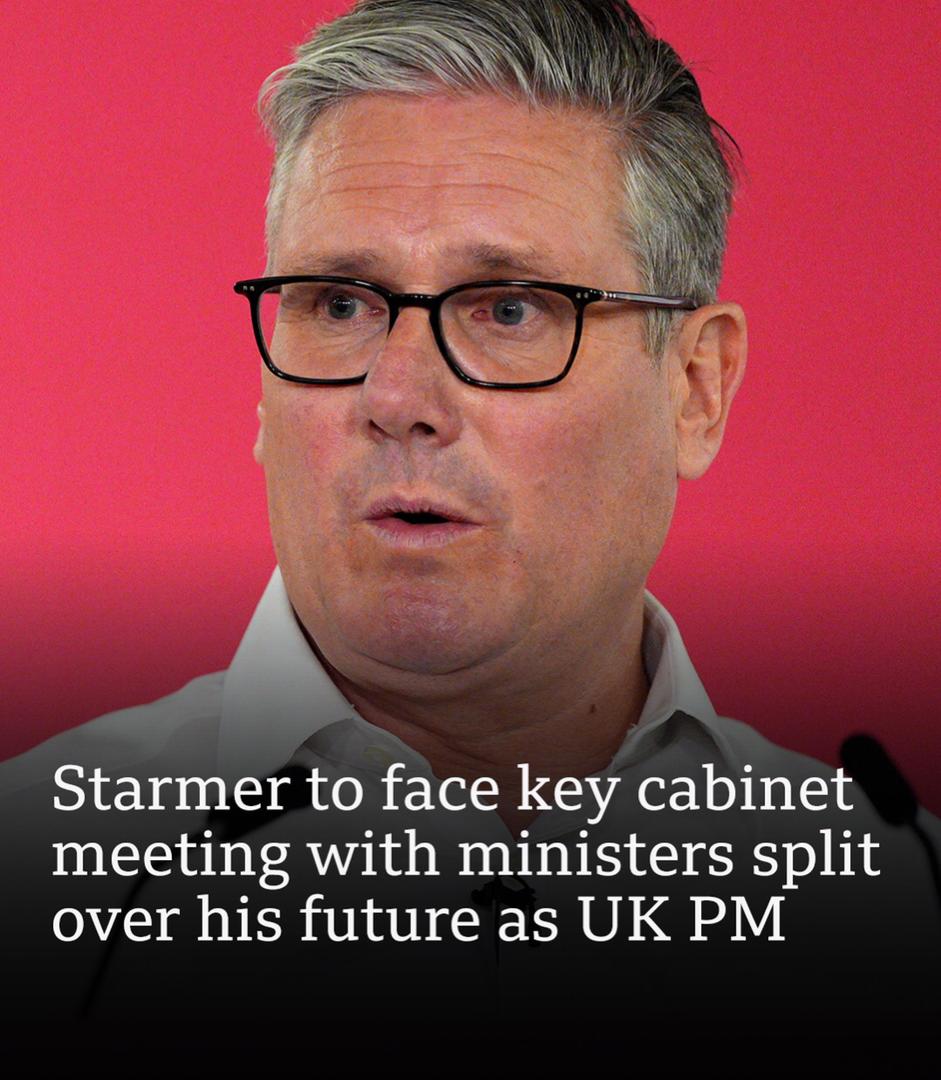
Starmer Faces Crunch Cabinet Meeting Amid Growing Calls to Resign UK Prime Minister Keir Starmer is confronting one of the most serious political crises of his premiership as he prepares for a tense cabinet meeting, with senior party figures and dozens of Labour MPs urging him to step down following heavy electoral setbacks. The high-stakes meeting comes after poor local election results triggered unrest within the governing Labour Party, raising doubts about Starmer’s leadership and political future. Pressure on the prime minister intensified after several Labour lawmakers publicly questioned his authority, arguing that the party risks losing public confidence under his leadership. Reports indicate that more than 50 Labour MPs have either directly called for Starmer’s resignation or demanded a clear timetable for his departure. The growing rebellion reflects deep frustration within party ranks over recent electoral losses and declining support among voters. Even members of the government have begun distancing themselves from the prime minister, with ministerial aides resigning and senior figures warning that Labour must act quickly to restore credibility. In a major escalation, the UK Home Secretary was among those signalling concern about Starmer’s leadership, joining calls for accountability following the electoral setback. The intervention marked a significant turning point, as criticism moved beyond backbench MPs to include influential figures within government, intensifying speculation about potential leadership challenges. Political analysts say internal dissent at cabinet level presents one of the gravest threats yet to Starmer’s authority. Monday’s cabinet meeting is widely viewed as a defining moment for the prime minister. Starmer is expected to outline a strategy aimed at stabilising his administration, rebuilding party unity, and reassuring ministers that his government can recover politically. Allies insist he has no intention of resigning, arguing that changing leadership now would create instability and undermine Labour’s governing agenda. However, critics within the party believe only a leadership reset can restore momentum ahead of future national elections. The crisis follows disappointing local election performances that exposed weaknesses in Labour’s electoral coalition and sparked renewed debate about the party’s direction under Starmer. Several MPs have warned that continued infighting could damage Labour’s chances in upcoming contests, while others fear prolonged uncertainty could weaken government effectiveness. Despite mounting pressure, Starmer has indicated he intends to remain in office, describing the election results as difficult but not a reason to abandon leadership responsibilities. Observers say the coming days will be crucial in determining whether he can retain cabinet loyalty and reassert control over his party or whether Labour will move toward a leadership contest. For now, the prime minister faces what many describe as the most precarious moment of his tenure, with his political survival potentially hinging on the outcome of the crunch cabinet meeting.