Slovenia Becomes First EU Nation To Enforce Fuel Rationing Amid Rising Energy Costs
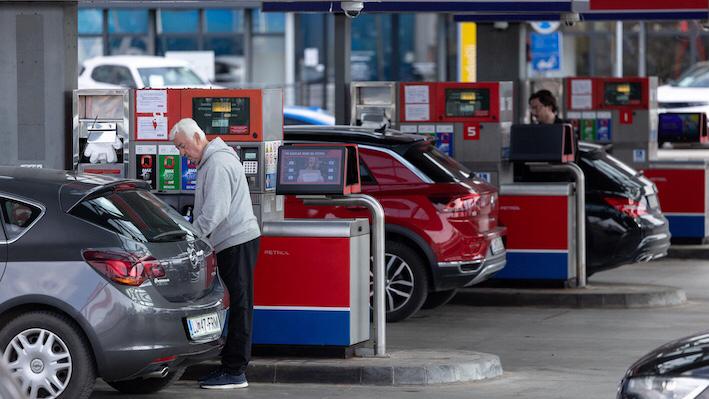
Slovenia becomes first EU nation to enforce fuel rationing amid rising energy costs Slovenia has taken the unprecedented step as the first member state of the European Union to impose fuel rationing in response to intensifying energy pressures, authorities confirmed this week.
The move comes as rising energy costs, global supply disruptions and conflict‑related pressures on oil markets strain fuel availability and distribution across Europe and beyond. Under the emergency measures announced by Prime Minister Robert Golob, private motorists are limited to purchasing a maximum of 50 litres of fuel per day, while businesses and priority users such as farmers are capped at 200 litres daily.
Golob said that while Slovenia’s fuel stocks remain adequate, logistical challenges in moving supplies to petrol stations exacerbated by regional disruptions necessitated rationing to prevent shortages and stabilise supply. The government has also deployed armed forces to support fuel distribution under the new regime. State officials cited a surge in demand at service stations, partly driven by cross‑border fuel traffic from neighbouring countries seeking cheaper prices, as well as growing concerns about potential future scarcity. Rationing is intended to curb hoarding and ensure equitable access for domestic consumers. Some filling stations have reported intermittent supply issues, with outlets temporarily running dry or imposing limits before the official rationing plan took effect. Slovenia’s decision reflects wider energy market tensions linked to ongoing geopolitical events. Disruptions in Middle Eastern oil supply routes, including volatility around the Strait of Hormuz, have seen global energy prices surge and prompted emergency responses across Europe and elsewhere. European governments are said to be scrambling with a variety of crisis measures from price controls and strategic reserves to demand management to limit the impact on households and businesses amid the broader energy crunch. While the EU as a bloc has so far resisted formal fuel rationing, energy officials have acknowledged that soaring prices and supply shocks continue to test national energy securities and affordability for consumers. Some member states face renewed pressure to adopt emergency policies as disruptions persist. Analysts say Slovenia’s step could be an early indicator of more stringent measures in other countries if global supply conditions do not improve or if geopolitical conflicts continue to disrupt oil markets.