SIX MONTHS AFTER PROMISED JOB, KENYAN SON BELIEVED FORCED
by HEDNEWS on February 4, 2026
SIX MONTHS AFTER PROMISED JOB, KENYAN SON BELIEVED FORCED INTO RUSSIA’S WAR; MOTHER APPEALS FOR HELP AS VIDEO WARNINGS EMERGE
Anne Ndarua says her only son travelled to Russia for an electrical engineering job but was instead recruited and sent to fight in Ukraine and she hasn’t heard from him since October.
- Son Went to Russia for Work Promise
Six months ago, Kenyan mother Anne Ndarua saw her only son, Francis Ndungu Ndarua (35), leave for Russia after being told he would work as an electrical engineer a chance to support his family financially.
Shortly after his departure, she lost contact with him, and no messages or calls have come through since October 2025 leaving his whereabouts and fate unknown to his distraught mother. - First Video Warns Africans Against Job Offers
In December 2025, Anne received a shocking video sent from an unknown Kenyan number in which Francis appears on camera and warns other young Africans not to travel to Russia for job offers.
“You will end up in military service, even if you never served in the army, and you will be sent to the front. And there are real killings… Many friends have died for money.” - Second Ominous Footage Raises Fears
About a week after that first warning, another disturbing video circulated online showing Francis in military uniform, visibly frightened, with a mortar strapped to his chest. A Russian‑speaking voice in the footage makes racist remarks and suggests he will be used as a “door‑opener” to breach Ukrainian positions implying extremely dangerous frontline use.
Anne says she has not been able to bring herself to watch the video; she learned of its existence only through her daughter. The experience has been “so traumatizing,” she told CNN. - Forced Military Training and Deployment
Anne recalls that before disappearing, Francis told the family that upon arrival he was forced into military training rather than starting a civilian job. After just three weeks of basic training, he was reportedly sent to fight in Ukraine’s war despite never having served in the military.
She says he paid an agent roughly $620 to facilitate the employment opportunity, only to be misled into this version of events - Broader Pattern of Recruitment
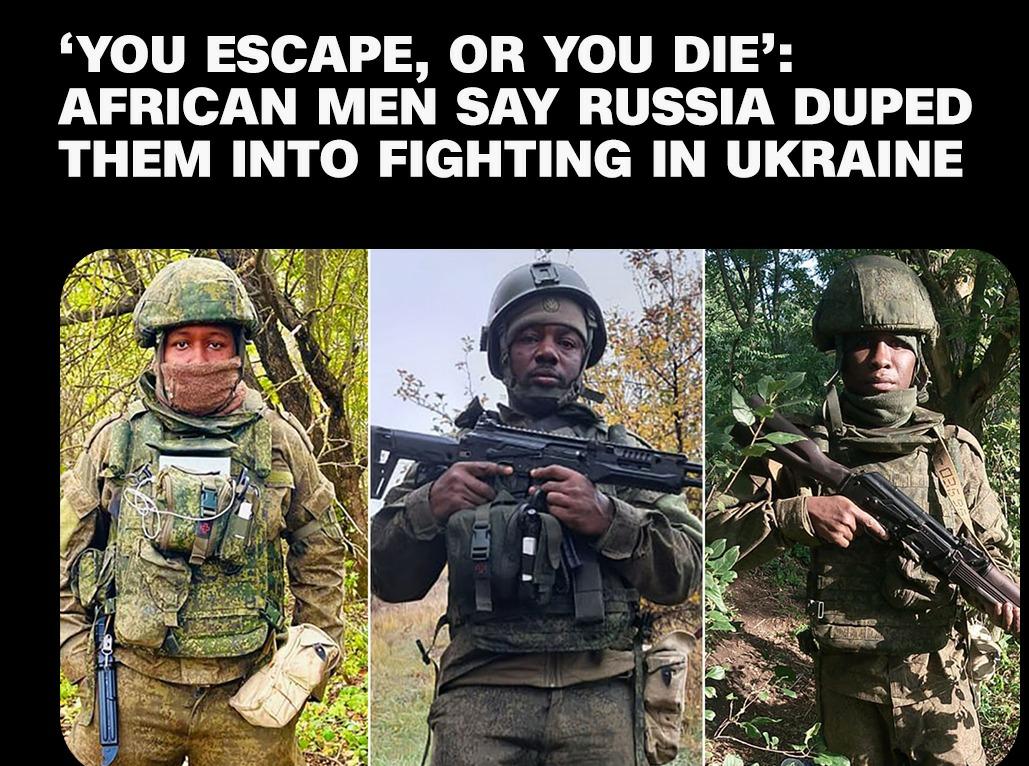
Francis’s case is not isolated. Investigations reveal that African nationals including Kenyans, Ugandans, Nigerians and others - have been lured to Russia with promises of well‑paying civilian jobs and then coerced into military service in the Russo‑Ukrainian war. Many recruits reportedly had passports confiscated, faced language barriers, and were sent directly to the front lines where casualty rates are high.
Russia’s Recruitment of Foreign Nationals Into Ukraine War
Analyses from multiple media outlets show that recruiters sometimes operating through employment agencies have been offering attractive job advertisements to young Africans facing unemployment, only for recruits to be placed in military roles in or near combat zones once in Russia, often with little or no proper training or clear disclosure of duties.
Ukraine’s intelligence and external reports suggest hundreds to over 1,400 Africans from countries including Kenya, Nigeria, Ghana, Uganda and 36 others may currently be enlisted in Russian forces or likely fighting in Ukraine under similar circumstances.
Critics and rights groups have labelled this recruitment tactic as exploitative and dangerous, especially given the high casualty environment at the frontlines and lack of genuine job opportunities. Anne Ndarua’s plight highlights a wider humanitarian crisis families living in fear, not knowing whether their relatives are alive or dead, while being unable to secure information from either Russian recruiters or international authorities. Governments such as Kenya’s have previously acknowledged similar cases and called for repatriation agreements, diplomatic engagement and urgent protective measures for nationals abroad, as many are drawn into warzones without consent. The phenomenon speaks to deeper structural issues: economic hardship, unemployment and aggressive recruitment strategies that exploit vulnerable populations seeking better opportunities abroad.