Security Experts Warn Terror Networks Are Shifting Into West Africa As Nigeria-U.S. Partnership Expands
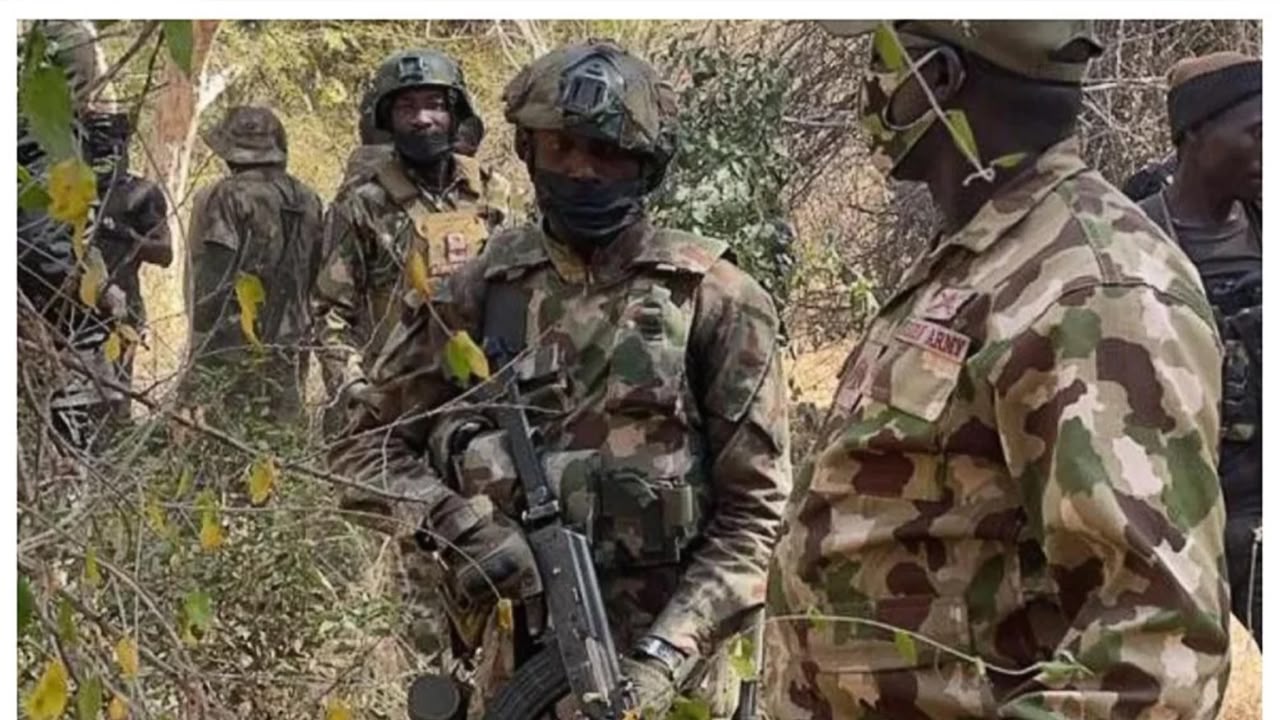
Security Experts Warn Terror Networks Are Shifting Into West Africa as Nigeria-U.S. Partnership Expands Security analysts are warning that extremist groups are increasingly shifting their operations across West Africa and the Sahel, exploiting political instability, weak border controls, and ungoverned territories as regional governments struggle to contain a rapidly evolving terrorist threat. Recent developments have prompted renewed international attention, including an expanded security partnership between Nigeria and the United States. The warnings come amid growing evidence that the global center of terrorist activity has increasingly moved from the Middle East toward the Sahel region, which stretches across parts of West and North Africa. Experts say militant organizations linked to the Islamic State and al-Qaeda have taken advantage of fragile governance structures, military coups, and security vacuums in countries such as Mali, Burkina Faso, and Niger to expand their influence. According to security analysts, the instability has enabled extremist groups to establish networks that transcend national borders, making it more difficult for individual countries to combat insurgencies without regional and international cooperation. Organizations such as Boko Haram, the Islamic State West Africa Province ISWAP, Jama’at Nusrat al-Islam wal-Muslimin JNIM, and other affiliated groups continue to exploit porous frontiers and local grievances to recruit fighters and launch attacks. Against this backdrop, Nigeria and the United States have strengthened their counterterrorism partnership through expanded intelligence-sharing, defense cooperation, and joint security initiatives. Nigerian officials have described the collaboration as a critical component of efforts to confront emerging threats across West Africa and the Sahel. Recent joint operations have highlighted the growing military cooperation between the two countries. Nigerian and U.S. authorities have reported coordinated actions against extremist targets in northern Nigeria, including operations aimed at disrupting Islamic State-linked networks operating near the country’s borders. However, analysts caution that military action alone is unlikely to resolve the crisis. They argue that extremist groups continue to thrive in areas affected by poverty, weak governance, ethnic tensions, climate-related resource conflicts, and limited state presence. These conditions create opportunities for militants to establish influence and recruit new members.The challenge has been further complicated by political upheaval across the Sahel. Military coups in Mali, Burkina Faso, and Niger have altered regional security arrangements and weakened existing counterterrorism frameworks. The withdrawal or reduction of some international military missions has also created security gaps that extremist organizations have sought to exploit. Security experts warn that if these trends continue, terrorist networks could expand further into coastal West African states, increasing risks to regional stability, economic development, and international security. Some analysts have described the situation as one of the most significant security challenges currently facing the African continent. Despite these concerns, officials remain hopeful that stronger regional cooperation, improved intelligence capabilities, and sustained international support can help contain the threat. Nigerian authorities have emphasized that combating terrorism requires not only military pressure but also long-term investments in governance, economic opportunity, and community resilience. As extremist groups continue to adapt their tactics and expand across the Sahel, policymakers and security analysts agree that the battle against terrorism in West Africa is entering a new phase one that will require coordinated action across national borders and sustained commitment from both regional governments and international partners.