Russian Authorities Are Quietly Expanding Efforts To Recruit University Students
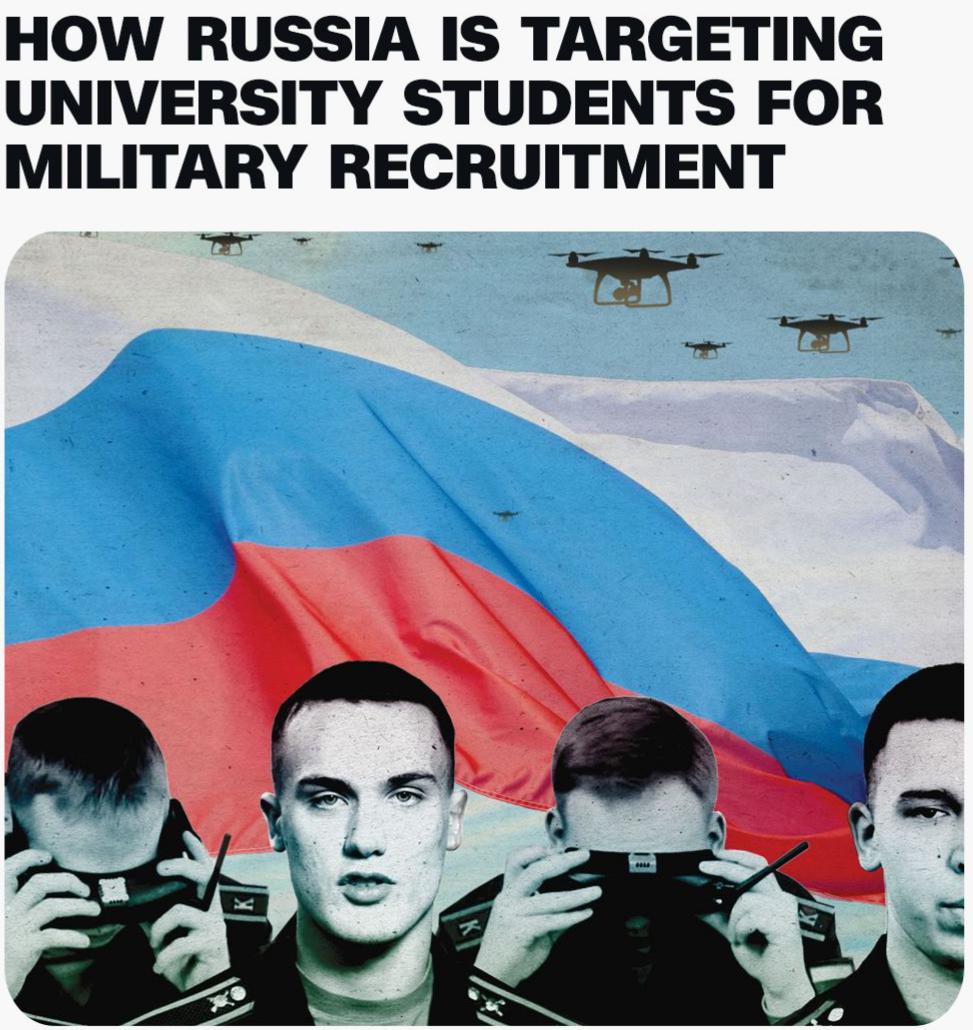
Russian authorities are quietly expanding efforts to recruit university students into military drone units, using a mix of incentives and pressure tactics, according to accounts shared privately with CNN and supported by emerging open-source evidence. Students speaking directly to CNN described a dramatic shift on campuses across Russia, saying university officials and administrators are increasingly encouraging and in some cases pressuring young people to join the country’s growing drone warfare forces.
“Everything changed this year,” one student wrote in a message to CNN. Another said that “all the ‘top’ people in the university are now calling on students to go to war,” adding that “the pressure is colossal.” CNN said it is withholding the identities of the students and their universities due to fears of reprisals. The testimonies suggest Russia is intensifying recruitment for its expanding drone military programs, which have become central to modern battlefield operations in the war in Ukraine. Open-source reporting indicates universities and regional authorities are promoting drone-related military service as both a patriotic duty and a career opportunity. Some students reportedly receive promises of financial benefits, technical training, and short-term contracts that can be terminated after about a year of service. Analysts say drone warfare requires large numbers of technically skilled operators and engineers, making university campuses a natural recruitment target. Russia formally created a dedicated military branch for unmanned systems in 2025, reflecting the growing importance of drones in combat. The force focused on aerial, land and maritime unmanned systems has rapidly expanded and now numbers tens of thousands of personnel, with plans for further growth. The shift mirrors broader military trends, as both Russia and Ukraine increasingly rely on drones for surveillance, targeting and strikes. While some students are reportedly attracted by pay and career opportunities, others described a more coercive environment. According to accounts cited by CNN, academic staff and administrators are encouraging enlistment, and students fear consequences for refusing participation. The combination of institutional pressure and financial incentives suggests what observers describe as a “quiet mobilization” strategy aimed at avoiding a politically unpopular nationwide draft.
Separate reporting has shown similar recruitment drives targeting young people for drone work, sometimes tied to education programs or employment opportunities connected to military technology production. The recruitment campaign highlights how deeply the war effort is reshaping Russian society, particularly higher education.
Military analysts say integrating students into drone units allows Russia to expand technologically skilled manpower while maintaining the appearance of voluntary enlistment rather than formal mobilization. For many students, however, the decision carries significant risks and growing anxiety.