Orcas Caught On Camera Using Powerful Body Slams On Fish, Scientists Say
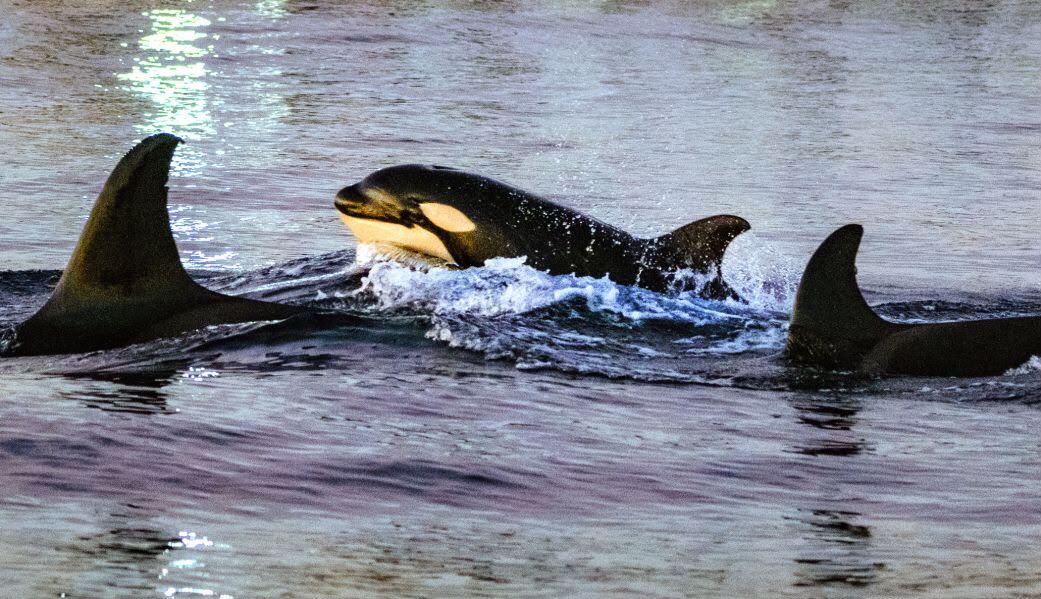
Orcas Caught on Camera Using Powerful Body Slams on Fish, Scientists Say New underwater footage has revealed unusual hunting behaviour by orcas, showing the marine predators repeatedly ramming fish with enough force to cause the animals to rupture, according to new research examining two rare encounters recorded in the Mexican Pacific Ocean and the Gulf of California. Divers captured the events in 2024 and 2025, documenting orcas striking fish with their bodies in what researchers described as a dramatic display of force. Scientists believe the behaviour may be a technique used to make prey easier to consume, although they say it could also represent a form of play or social interaction among the highly intelligent animals. The behaviour, sometimes described as “body slamming,” involves an orca accelerating toward a fish and striking it with its head or body. Researchers said the impact appears to weaken or kill the prey before the orca eats it. Orcas are known for their complex hunting strategies, which vary between different populations. Some groups work together to create waves that wash seals from ice floes, while others stun fish or coordinate attacks on larger marine animals. Scientists studying the newly observed behaviour said the footage provides rare insight into how adaptable and creative orcas can be when hunting. The animals are among the most intelligent predators on Earth, capable of learning techniques from one another and passing behaviours between generations.
Researchers are still investigating whether the fish-ramming behaviour is primarily a feeding strategy or whether it includes an element of play. The distinction can be difficult to determine because orcas are known to engage in playful activities that sometimes resemble hunting practices. The findings add to growing scientific understanding of orca culture and behaviour, showing that even well-studied marine mammals can continue to surprise researchers with new and complex interactions in the wild.