One Year After USAID Was Dismantled, Global Aid Cuts Are Projected
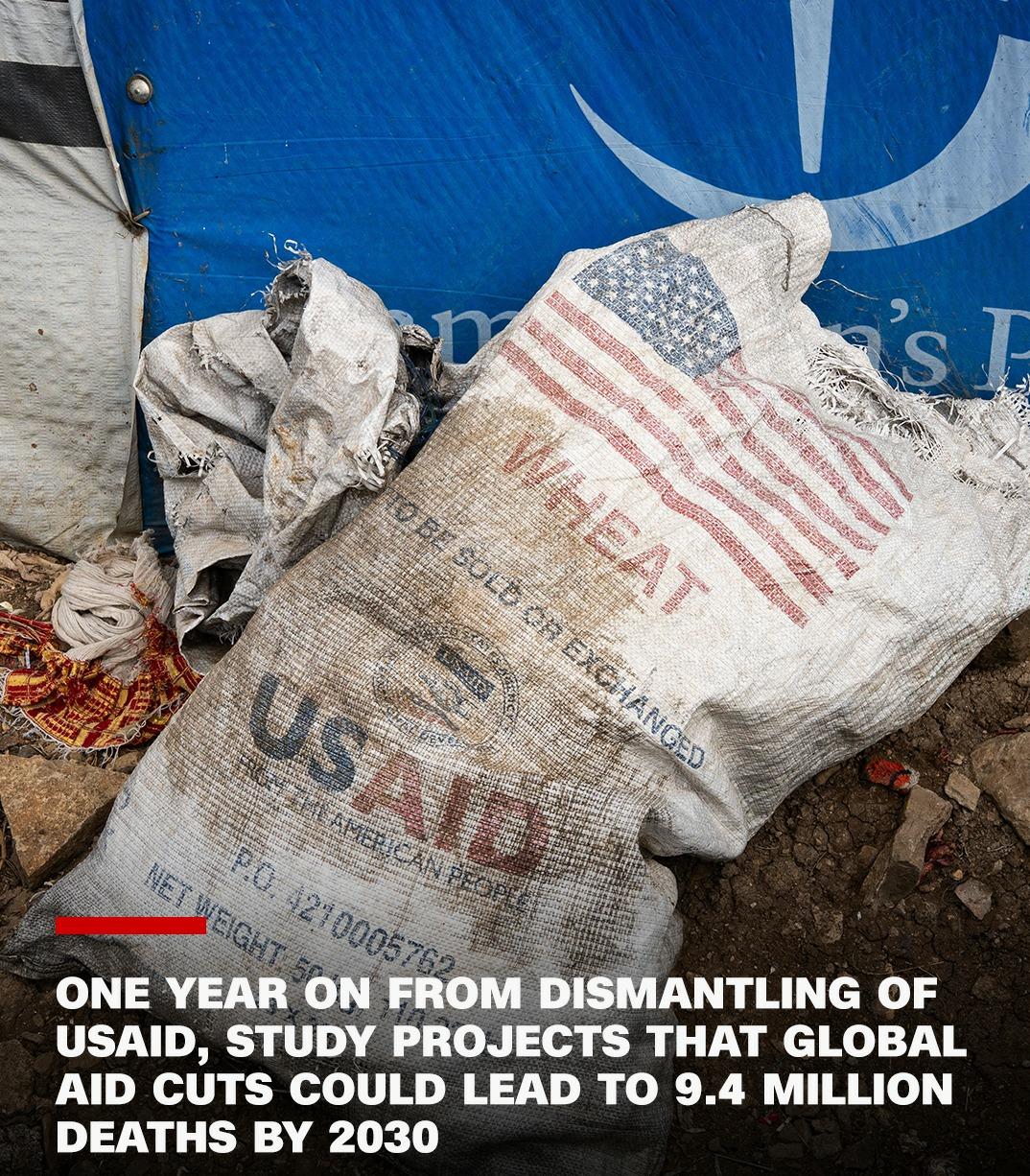
One Year After USAID Was Dismantled, Global Aid Cuts Are Projected to Cause Millions of Deaths and Devastate Health Systems Worldwide One year ago, the second Trump administration ended the United States Agency for International Development (USAID) as an independent agency, slashing roughly 80–90% of its foreign aid budget and rolling many remaining functions into the U.S. State Department. An immediate freeze on U.S. foreign aid began on January 20, 2025, disrupting programs previously run by USAID globally. A new peer-reviewed study in The Lancet projects that, if global foreign aid cuts continue at current levels, at least 9.4 million additional deaths could occur by 2030. Around 2.5 million of those deaths would be among children under 5.
If funding cuts worsen through the decade, deaths could total 22.6 million. Countries dependent on U.S. aid, including South Africa, Malawi, Kenya, and others in Sub-Saharan Africa, have seen HIV clinics close, antiretroviral therapies disrupted, and basic healthcare systems strained or collapsing.
In Malawi, HIV treatment systems face a “death sentence” for many patients after U.S. funding support ceased.
Programs combating severe acute malnutrition in children have been cut, leaving remaining clinics overstretched or in some areas, no longer functioning increasing child mortality risk.
International programs fighting malaria, tuberculosis, and maternal mortality have also been dropped or dramatically reduced, undoing years of progress in global health.
Studies cited billions of dollars in aid previously preventing deaths across major diseases; those gains risk reversal due to funding cuts.
Health experts warn that tens of millions of lives saved in the last two decades through aid might now be lost due to funding disruptions.
Closure of mobile clinics and health centers in rural and conflict affected areas has increased vulnerability to disease, starvation, and untreated chronic conditions. Humanitarian groups reported that thousands of aid workers and service personnel were laid off or furloughed, leaving operations understaffed globally. Researchers conclude that foreign aid is one of the most cost-effective global health interventions, directly impacting child mortality, communicable disease reduction, and health system stability.
Without restored funding, experts say progress toward UN health goals and global development targets could be set back by decades.
Additional foreign aid cuts by other major donor nations (e.g., UK, Germany, Canada) are now compounding the decline in global assistance. New bilateral health agreements in some recipient nations aim to replace some lost U.S. aid, but experts warn they may not adequately support the most vulnerable populations.
One year after the dismantling of USAID, global aid systems are in crisis. Projections suggest millions more deaths and significant regression in decades of development progress absent a reversal or new international funding strategy.