Obi, Sowore Differ With Atiku Over Proposed Return Of Petrol Subsidy

Obi, Sowore Differ with Atiku Over Proposed Return of Petrol Subsidy
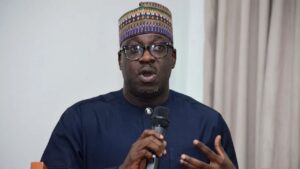
Presidential candidates Peter Obi and Omoyele Sowore have disagreed with former Vice-President Atiku Abubakar over his proposal to restore petrol subsidy if elected president in 2027, reigniting debate over the future of fuel pricing and economic reforms in Nigeria. While Obi maintained that petrol subsidy should remain removed, arguing that the proceeds must be properly managed and invested, Sowore criticised the way the policy has been implemented, saying the benefits of subsidy removal have largely accrued to state governors and the elite. Atiku, the presidential candidate of the African Democratic Congress ADC, recently made the restoration of petrol subsidy part of his 2027 campaign proposition, arguing that Nigerians have not seen sufficient benefits from the removal of the subsidy by the President Bola Ahmed Tinubu administration. Obi, presidential candidate of the Nigeria Democratic Congress NDC, said the removal of petrol subsidy remains necessary, insisting that poor management of the proceeds should not be used as an argument for reversing the policy. Speaking at the Nigerian Bar Association conference in Port Harcourt, Rivers State, Obi said the government should have adopted a structured approach to subsidy removal while using the savings to improve the economy and cushion the impact on Nigerians. “I subscribe and I maintain that we need to remove subsidy. Mismanagement of the proceeds should not be the reason for not removing it.”
The former Anambra State governor said the government ought to have introduced measures to protect Nigerians from the immediate consequences of higher fuel prices. He also alleged that resources recovered through subsidy removal had been mismanaged and stolen. Obi said he had anticipated the need for an organised subsidy-removal process and had outlined his position in his manifesto ahead of the 2023 presidential election. he said. Sowore, the presidential candidate of the African Action Congress AAC, also rejected a return to the former subsidy regime, but took a different position from Obi on the consequences of its removal. The human rights activist argued that the policy has primarily benefited state governors and members of the elite rather than ordinary Nigerians. Speaking at the same NBA conference, Sowore questioned who had actually benefited from successive attempts by governments to remove petrol subsidy. “If there is anybody that has been consistent in the removal of fuel subsidy, it has been me. Sowore argued that successive administrations had repeatedly announced the removal of petrol subsidy without addressing the underlying problems associated with fuel pricing and transportation. He said petrol remained particularly important to ordinary Nigerians because of its direct impact on transportation and, consequently, the cost of goods and services. He also criticised the manner in which subsidy removal has been implemented over the years, arguing that the burden has continued to fall disproportionately on poor Nigerians. According to Sowore, transportation policy must form an important part of any serious discussion about petrol pricing and subsidy. Atiku Defends Fuel Affordability Proposal Atiku’s campaign has rejected the suggestion that his proposal amounts to a return to the old subsidy system. Kenneth Okonkwo, spokesperson for Atiku’s 2027 presidential campaign, said the former vice-president’s proposal was designed to make petrol more affordable through increased domestic refining. Okonkwo described the initiative as the Atiku Fuel Affordability Plan AFAP and said it would focus on ensuring that crude oil is made available to domestic refineries at affordable prices. According to him, the objective is to reduce the cost of locally refined petrol rather than recreate the previous system in which Nigeria relied heavily on imported fuel. Okonkwo argued that the former subsidy regime became vulnerable to corruption partly because of the country’s dependence on imported petrol. He insisted that Atiku was not proposing a return to the old arrangement. “Atiku is not going back to that and cannot even go back to that. He said strengthening domestic refining capacity would allow Nigeria to produce petrol more cheaply and ultimately reduce the burden on consumers.
The Human Rights Writers Association of Nigeria HURIWA has meanwhile supported the possibility of restoring a transparently administered petrol subsidy as a temporary measure to cushion Nigerians from rising fuel prices and the worsening cost of living. However, the organisation demanded a comprehensive and independent audit of the money the Federal Government says it saved following subsidy removal. HURIWA argued that subsidy itself was not necessarily the problem, but that corruption and abuse of the former system had made it unsustainable. The organisation said Nigerians deserve to know precisely how much was saved after subsidy removal, how the funds were distributed among the three tiers of government and how the resources were eventually spent.
It also called on the Economic and Financial Crimes Commission EFCC and the National Assembly to investigate conflicting figures surrounding the reported subsidy savings. The group maintained that increased government revenue would have little meaning for ordinary Nigerians if it did not translate into affordable transportation, better healthcare, improved education, employment and stronger purchasing power. The Federal Government, however, has warned against reversing the subsidy-removal policy. Minister of Information and National Orientation Mohammed Idris argued that restoring petrol subsidy would worsen Nigeria’s fiscal position, undermine investor confidence and potentially reverse economic gains recorded since the policy was removed. Idris said the former subsidy regime had created significant fiscal pressures, market distortions, fuel scarcity and opportunities for arbitrage. He cited government figures showing that subsidy removal generated N15.8 trillion in resources for the Federation between June 2023 and December 2025. Of that amount, approximately N5.43 trillion accrued to the Federal Government, N6.52 trillion to state governments and N3.88 trillion to local governments. The minister stressed, however, that the N15.8 trillion should not be interpreted as money sitting in a single government account. Rather, it represented additional resources released into the federation’s broader fiscal system. Idris warned that returning to the former subsidy system could undermine efforts to strengthen domestic refining and energy security. “Nigeria cannot build tomorrow’s economy by returning to yesterday’s unsustainable subsidy regime .Public affairs analyst Austin Usman Okai also challenged the Federal Government to provide Nigerians with a comprehensive account of the savings generated from subsidy removal. Okai said the controversy surrounding Atiku’s proposal had exposed unresolved questions about transparency and accountability. He urged the government to publish details of how much had been saved, how the money had been distributed and which projects and programmes had been financed with the resources. According to him, Nigerians should not continue to bear the consequences of higher fuel prices without being able to see tangible benefits from the sacrifices imposed by the reform. The disagreement between Atiku, Obi and Sowore has placed petrol subsidy firmly back at the centre of Nigeria’s 2027 presidential contest. The three politicians agree that the existing fuel-pricing situation has placed significant pressure on Nigerians, but they differ on the appropriate solution. Obi supports subsidy removal but wants the proceeds properly managed and invested in productive sectors. Sowore rejects the old subsidy arrangement but argues that the current system has disproportionately benefited political elites and state governors while ordinary Nigerians continue to face rising transportation and living costs. Atiku’s camp, meanwhile, says its proposal is not a return to the old subsidy regime but a plan focused on making locally refined petrol more affordable through domestic refining and access to crude oil at competitive prices. The debate is likely to intensify as the 2027 presidential election approaches, with fuel prices, the management of subsidy savings, domestic refining capacity and the broader cost of living expected to remain major issues for Nigerian voters. At its core, the controversy raises a fundamental question for the 2027 election: should Nigeria permanently abandon petrol subsidies, redesign the system to protect vulnerable citizens, or pursue cheaper fuel through increased domestic refining without returning to the old subsidy regime The answer offered by each presidential candidate could become a significant factor in determining how Nigerians assess their economic programmes ahead of the election.