Nigeria’s Blood Supply Crisis Deepens As Donor Fatigue And Economic Hardship Take Toll
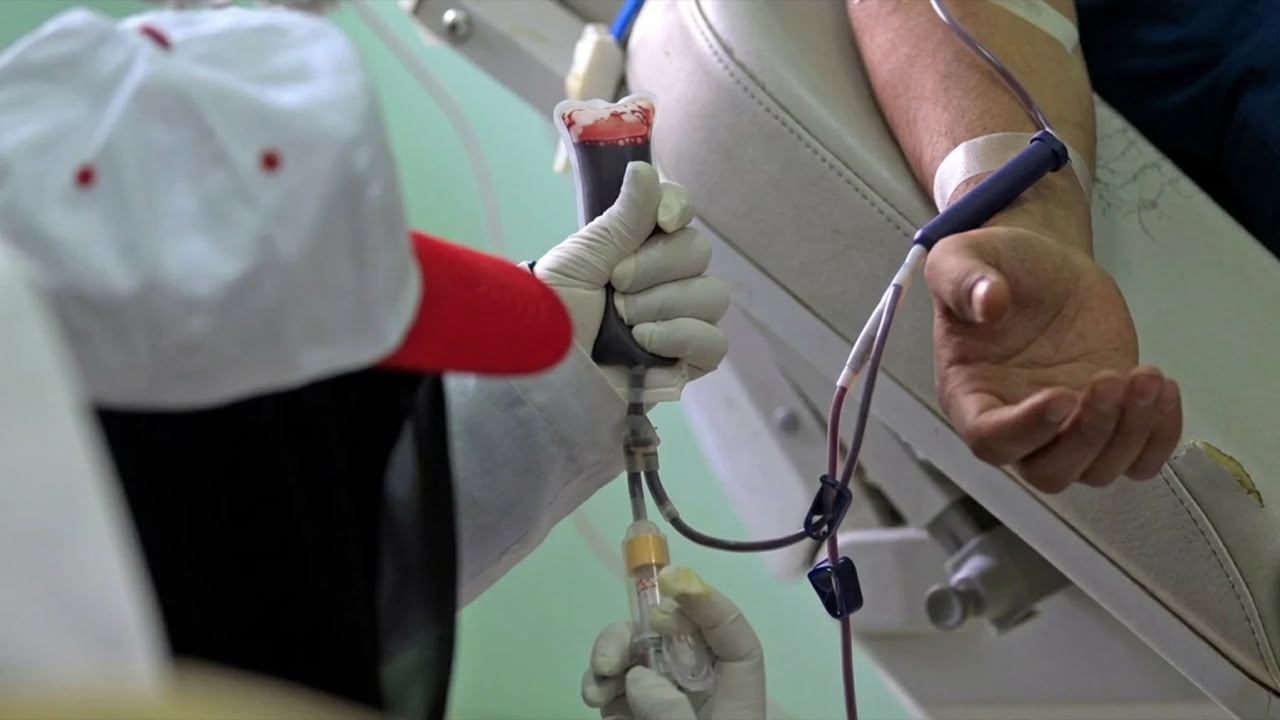
Nigeria’s Blood Supply Crisis Deepens as Donor Fatigue and Economic Hardship Take Toll Nigeria is facing a widening blood supply crisis, with hospitals struggling to meet demand as economic hardship, donor fatigue, misinformation and a heavy reliance on replacement donations undermine efforts to build a dependable national blood system. The crisis is particularly concerning because blood is essential for emergency surgery, childbirth complications, trauma care, severe anaemia and treatment for several chronic and life-threatening conditions. The World Health Organization says regular voluntary, unpaid donors are the backbone of a safe and sustainable blood supply.Nigeria needs an estimated 1.8 million to 2 million units of blood each year, according to recent figures cited by the WHO. But official data from Nigeria’s National Blood Service Commission show that only 371,827 units were collected in 2024, leaving a substantial gap between what the health system needs and what it is able to obtain. The Guardian reports that voluntary donors account for only a small portion of the country’s overall blood collection, with family-replacement and paid donations continuing to make up much of the supply. That dependence on replacement donations can leave families scrambling to find compatible donors precisely when a patient is already in a medical emergency.
Nigeria’s economic difficulties are making the problem harder to solve. The Guardian reports that inflation, rising energy and transportation costs and other expenses have sharply increased the cost of collecting and processing blood. In public facilities, the reported processing cost has risen from around ₦3,000 to ₦35,000 per unit. For hospitals already operating under financial pressure, maintaining blood-collection and storage systems becomes increasingly difficult. At the same time, potential donors may face their own economic challenges, including transportation costs and concerns about donating while struggling with food insecurity or other basic needs. The situation has also affected blood collection in Lagos. According to The Guardian, blood collection in the state fell to approximately 130,000 units, following disruptions associated with the JOHESU strike. Only about 8% of Lagos’ blood supply comes from voluntary donors, highlighting the extent to which hospitals depend on other sources. The shortage can become especially dangerous during emergencies, when hospitals need blood immediately rather than waiting for relatives to organize replacement donors.
Economic pressures are only part of the problem. Health authorities and experts continue to identify misinformation, cultural beliefs and poor awareness as barriers to voluntary blood donation. Some Nigerians remain concerned about weakness, illness or other perceived consequences of donating blood, while others may simply be unaware of how urgently hospitals need regular donors.
The WHO says misinformation and cultural beliefs continue to discourage blood donation in parts of Africa, alongside limited resources and inadequate donor-recruitment systems. The shortage has direct consequences for patients. The WHO recently highlighted the case of a Nigerian woman who suffered severe bleeding after a caesarean section and needed urgent surgery. Her family spent hours trying to find compatible blood before enough was located for doctors to proceed. Such delays can be deadly.
The WHO estimates that postpartum haemorrhage accounts for approximately 23–30% of maternal deaths in Nigeria, making reliable access to blood particularly important for pregnant women and new mothers. Blood is also critical for children with severe anaemia, accident victims, patients undergoing major operations and people receiving cancer treatment. Health officials are increasingly emphasizing the need to move away from a system that depends on relatives finding blood only after a patient becomes critically ill.
The WHO recommends voluntary, non-remunerated donation as the safest and most reliable foundation for a national blood supply.
Nigeria has begun efforts to expand this model, including donor databases and community blood drives designed to recruit regular volunteers. In June, WHO and the National Blood Service Commission supported a voluntary blood donation campaign involving UN staff in Abuja, highlighting the importance of making regular donation part of community life rather than an emergency response. The crisis reflects a broader problem facing blood services in many lower income countries: collecting enough blood is only one part of the challenge. Governments also need reliable financing, trained staff, proper testing, refrigeration, transportation, storage and quality control systems. WHO’s latest global assessment says lower-income countries continue to face blood shortages because of limited financing, weak infrastructure, logistical barriers and insufficient donor recruitment. For Nigeria, closing the gap will therefore require more than simply appealing to citizens to donate. It will require sustained investment in the national blood-service infrastructure, stronger public education, easier access to donation centres and a long-term effort to build public confidence in voluntary donation.
Health advocates say the most effective response is to make blood donation a routine act of community solidarity. The WHO’s 2026 campaign emphasizes that a single donation can help save up to three lives, while stressing that regular voluntary donors are essential to maintaining a reliable supply. For Nigeria’s hospitals, the difference between having blood available and searching desperately for it can be the difference between life and death.
As demand continues to outstrip supply, Nigeria faces an urgent choice: continue relying heavily on emergency replacement donations, or build a culture and system in which regular voluntary donors provide a dependable lifeline for patients nationwide.