Nigeria To Introduce Routine Hearing Checks In Primary Schools And Expand Newborn Screening
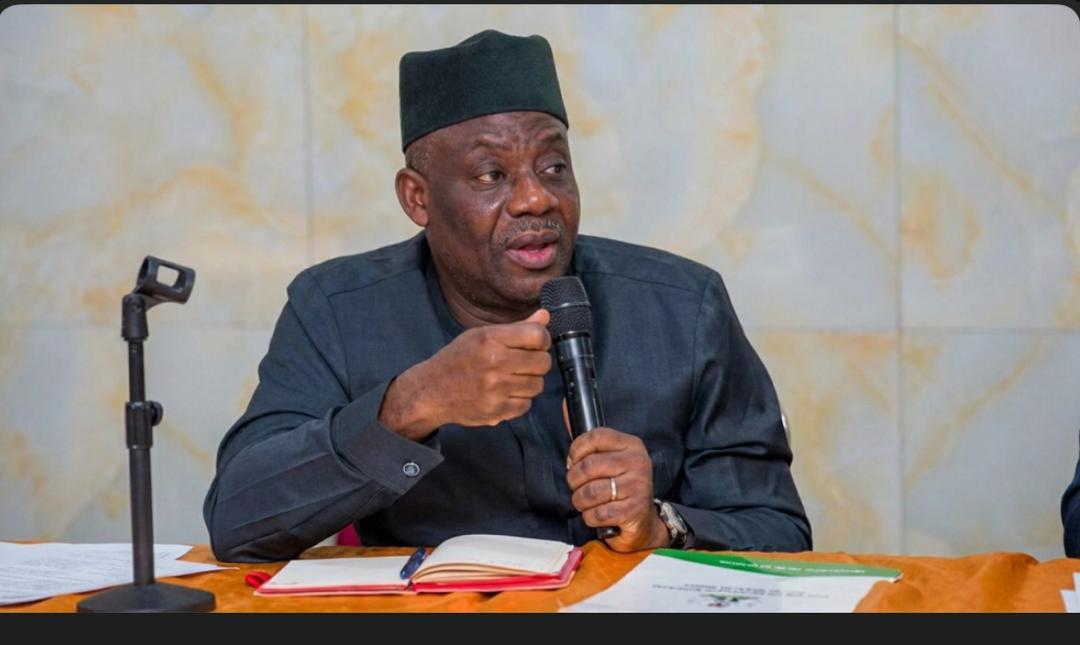
Nigeria to introduce routine hearing checks in primary schools and expand newborn screening The Federal Government has announced plans to introduce routine hearing checks in primary schools nationwide and expand newborn hearing screening services as part of efforts to detect hearing issues early and promote inclusive education for children. The initiative was unveiled to mark World Hearing Day 2026, with officials highlighting the importance of early identification and intervention to support children’s learning, communication and overall development. In a statement delivered in Abuja, the Minister of State for Health and Social Welfare, Dr. Iziaq Adekunle Salako, said hearing is fundamental to communication, learning and social integration, and plays a critical role in cognitive development and academic performance.
Salako noted that early detection of hearing loss especially during infancy and early childhood can prevent long-term effects on speech, education and socio‑economic opportunities. Research shows that more than 60% of childhood hearing loss is preventable through cost‑effective public health measures such as early screening, proper ear care and timely intervention.
Under the new plans, primary schools across Nigeria will routinely screen pupils’ hearing to identify issues that may affect classroom learning, while newborn hearing screening will be expanded to ensure infants are checked before leaving healthcare facilities after birth To strengthen national coordination, the government has expanded the mandate of the existing National Eye Health Programme to include ear, hearing and other sensory health services now renamed the National Eye, Ear and Sensory Health Functions Programme. This expanded programme will work to institutionalise hearing health services within Nigeria’s healthcare system and ensure broader coverage. Officials say Eye Health Desk Officers in all 36 states and the Federal Capital Territory will now have responsibility for hearing health, and the ministry is developing policies and national guidelines to support effective implementation.
Dr. Salako highlighted that preventable causes such as untreated ear infections, excessive noise exposure and maternal infections during pregnancy remain significant contributors to childhood hearing impairment in Nigeria. He urged parents, caregivers, teachers and primary healthcare workers to recognise early warning signs such as delayed response to sound, frequent ear pain or speech delay, and to seek timely medical care. The government’s campaign aligns with this year’s World Hearing Day theme, “From Communities to Classrooms: Hearing Care for All Children,” underscoring the link between community awareness and school‑based interventions to ensure no child is left behind. Advocates of inclusive education have welcomed the government’s plans, saying routine hearing checks and expanded newborn screening could help reduce barriers to learning for children with hearing loss, strengthen early intervention services, and support better academic and social outcomes. Experts say that addressing hearing health early helps to create more hearing‑friendly classrooms, improves educational inclusion, and contributes to the holistic development of learners across the country.The Federal Government reaffirmed its commitment to ensuring that every Nigerian child receives timely hearing care, envisioning a future where all children can hear clearly from the sounds of their communities to lessons in school.
.