Nigeria Risks Deeper Poverty Trap Despite Economic Recovery
Nigeria Risks Deeper Poverty Trap Despite Economic Recovery
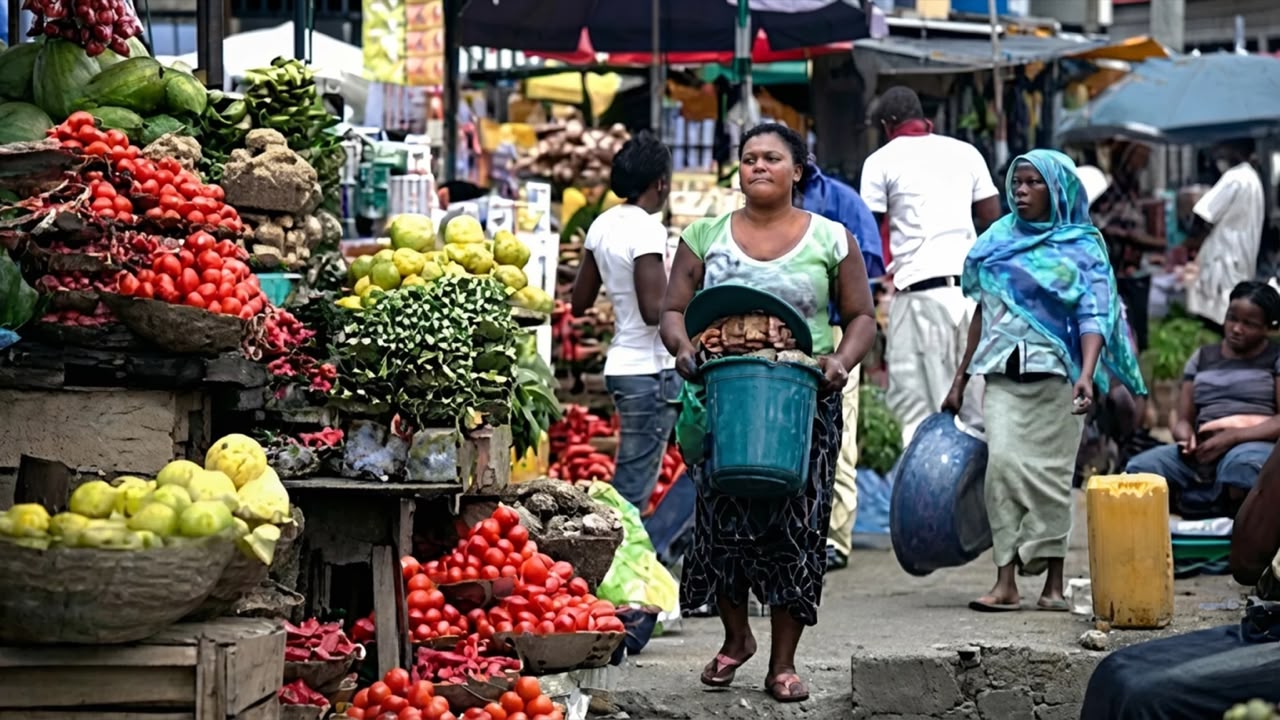
Nigeria risks falling deeper into a poverty trap despite signs of economic recovery, as high inflation, naira weakness, underemployment and declining access to essential services continue to put pressure on households. The situation is forcing many families to make difficult choices, including selling assets, reducing spending on basic necessities and sacrificing investments that could support their future. Rising living costs have significantly weakened household purchasing power, with many Nigerians struggling to afford food, healthcare, education, housing and other essential services. The persistent weakness of the naira has also contributed to higher costs for goods and services, placing additional pressure on households already dealing with limited incomes and inadequate employment opportunities. Although recent economic indicators point to improvements in some areas of the Nigerian economy, the benefits of the recovery have yet to translate into meaningful improvements in living standards for many citizens. Underemployment and insecure sources of income remain major challenges, particularly for households that lack sufficient savings or productive assets to absorb economic shocks. The growing pressure has raised concerns that families may increasingly resort to selling property and other assets or cutting back on essential spending, potentially worsening their vulnerability in the long term. Analysts and development stakeholders have therefore stressed the need for economic growth to be accompanied by stronger social protection, improved access to essential services and policies capable of boosting household incomes. Without broader improvements in living standards, Nigeria could experience a situation where headline economic recovery coexists with worsening deprivation among vulnerable households. The concerns underline the importance of ensuring that economic reforms deliver tangible benefits for ordinary Nigerians while protecting households from further erosion of their assets, income and future opportunities.