Nigeria And US Hold Fresh Security Talks In Washington Amid Fiscal Transparency Concerns
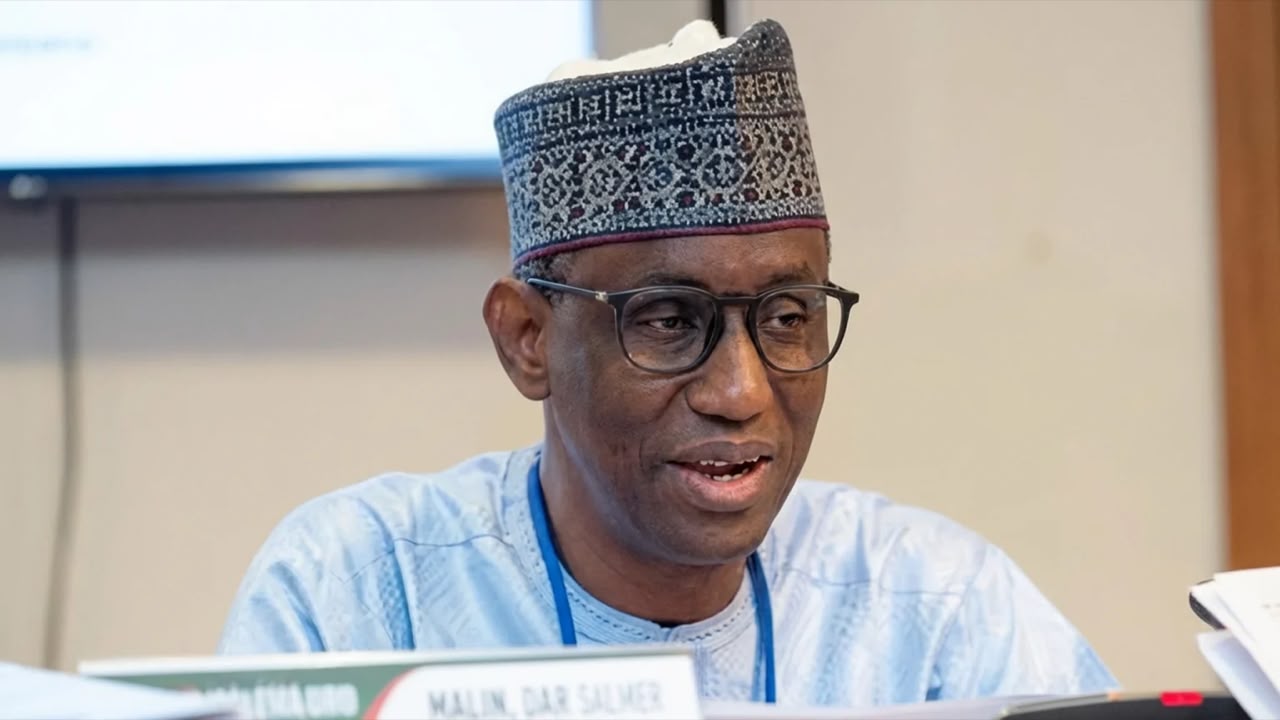
Nigeria and US Hold Fresh Security Talks in Washington Amid Fiscal Transparency Concerns Nigeria and the United States have opened a fresh round of high-level security talks in Washington, with counterterrorism, bilateral security cooperation and fiscal transparency emerging as important issues in the relationship between the two countries. The latest meeting of the Nigeria-U.S. Joint Working Group is being led by Nigeria’s National Security Adviser, Nuhu Ribadu, and U.S. Under-Secretary of State Allison Hooker. The discussions come as both countries seek to deepen cooperation against terrorism and other security threats affecting Nigeria and the wider West African region. According to the meeting agenda, officials are reviewing ongoing counterterrorism efforts, assessing progress in bilateral cooperation and discussing the next steps for strengthening security collaboration. Nigeria’s delegation includes Foreign Affairs Minister Bianca Odumegwu-Ojukwu, Defence Minister Christopher Musa and Interior Minister Olubunmi Tunji-Ojo, underscoring the broad government focus on the security relationship. A separate bilateral defence meeting between Nigeria and the United States is scheduled for Thursday, adding another layer to the discussions. While security remains the immediate focus, the talks are taking place amid concerns in Washington about Nigeria’s fiscal transparency and openness over government finances. The issue adds an economic and governance dimension to an increasingly important strategic relationship. Nigeria has been seeking stronger international partnerships as it confronts terrorism, banditry and other forms of insecurity, while the United States has an interest in improving regional security and counterterrorism cooperation. The United States and Nigeria have maintained extensive security cooperation for years, particularly around counterterrorism and efforts against extremist groups operating in and around Nigeria. The latest working-group discussions provide an opportunity for both sides to assess what has been achieved and identify areas where intelligence-sharing, defence cooperation and other forms of security assistance can be strengthened.
The talks also come at a time when Nigeria is facing persistent threats from militant and criminal groups, making international security partnerships an important component of its broader response. For Nigeria, closer cooperation with Washington could provide additional support in areas such as intelligence, training, counterterrorism capabilities and defence coordination.
For the United States, Nigeria remains an important security partner in West Africa, given its size, strategic position and influence across the region. But deeper cooperation also depends on confidence between the two governments, including transparency and accountability around the use of public resources. The latest meetings are expected to produce further discussions on counterterrorism and bilateral defence cooperation, with officials looking at practical steps to strengthen the partnership.
The scheduled defence meeting will provide another opportunity for both sides to translate the broader political discussions into specific areas of military and security cooperation. The Washington talks therefore represent more than another diplomatic meeting: they are part of an effort by Nigeria and the United States to reinforce a critical security partnership while addressing wider questions about governance, transparency and mutual trust.