NFF Crisis Deepens As President Ibrahim Gusau, Board Members Resign

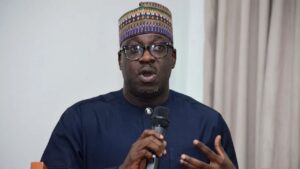
NFF Crisis Deepens as President Ibrahim Gusau, Board Members Resign The Nigeria Football Federation NFF is facing a majorleadership crisis after its president, Ibrahim Gusau, and several members of the federation’s Executive Committee reportedly resigned amid mounting pressure over the management of Nigerian football. The reported resignations come after weeks of growing criticism of the NFF leadership over the performance of the country’s national teams, administrative concerns and questions surrounding the management of funds released to support Nigerian football. According to reports, at least eight of the 13 members of the NFF board had already stepped down, with Gusau’s resignation further deepening the leadership vacuum at the federation. Reports have also linked NFF General Secretary Mohammed Sanusi to the mass resignation, although official confirmation from the federation was still awaited at the time of reporting.The crisis has intensified following a series of disappointing results involving Nigeria’s national teams. The most significant setback came with the Super Falcons’ failure to qualify for the 2027 FIFA Women’s World Cup, ending Nigeria’s record of appearing at every edition of the tournament since its inaugural edition in 1991. The Falcons first lost 1-0 to Cameroon in the quarter-finals of the 2026 Women’s Africa Cup of Nations, a result that ended Nigeria’s title defence and forced the team into the World Cup qualification playoff route. Nigeria subsequently lost 2-1 to South Africa, ending its hopes of reaching the 2027 tournament. The Super Eagles have also endured major setbacks, including their failure to qualify for the 2026 FIFA World Cup after losing to the Democratic Republic of Congo in the African playoff. The repeated failures have increased calls from football stakeholders for fundamental changes at the NFF. The NFF leadership has also faced scrutiny over the management of government funds released to settle outstanding financial obligations involving Nigeria’s national teams. Security agencies, including the Department of State Services DSS, have been examining documents relating to government funds released to the federation. The Guardian previously reported that the DSS and National Intelligence Agency were investigating allegations involving senior NFF officials and foreign interests, although the agencies had not publicly detailed the allegations. Reports have also linked the scrutiny to a Federal Government intervention fund running into billions of naira that was approved to address outstanding wages, bonuses and allowances owed to national-team players and officials.
A source familiar with the DSS review described the examination of the funds as a normal process and rejected suggestions that it was necessarily a targeted witch-hunt against NFF officials. The financial questions have added to existing concerns about the administration of Nigerian football, particularly over delayed payments and the management of national teams. The leadership shake-up could also have major implications for the NFF’s planned elective congress. The federation had scheduled elections for September 27 in Lafia, Nasarawa State, but the reported resignations have raised questions about whether the process will proceed as planned and who will oversee the transition. The National Sports Commission has reportedly been involved in discussions surrounding the situation, with reports suggesting that the resignations could be the first stage of a broader restructuring of Nigerian football administration. However, the Federal Government has previously said it did not order the NFF leadership to resign, amid speculation about possible government intervention in the crisis. Gusau’s administration had increasingly come under pressure from football stakeholders who blamed the NFF leadership for what they described as the declining fortunes of Nigerian football. Calls for the board to resign intensified after the Super Falcons’ historic World Cup qualification failure, following the Super Eagles’ own failure to reach the 2026 World Cup. Former players and other football stakeholders had also demanded accountability and a review of the federation’s leadership structure. The latest resignations therefore represent a major turning point for Nigerian football, with the federation now facing the challenge of managing a leadership transition while addressing the broader administrative, financial and sporting problems confronting the game. For now, football stakeholders are awaiting further official clarification from the NFF on the resignations and the next steps for the federation. The unfolding crisis could ultimately lead to a wider restructuring of Nigerian football governance, with the outcome likely to shape the direction of the national teams and the administration of the sport ahead of the next NFF electoral cycle.