Nextier Blames Nigeria’s Police Brutality On Colonial-Era Militarized Culture
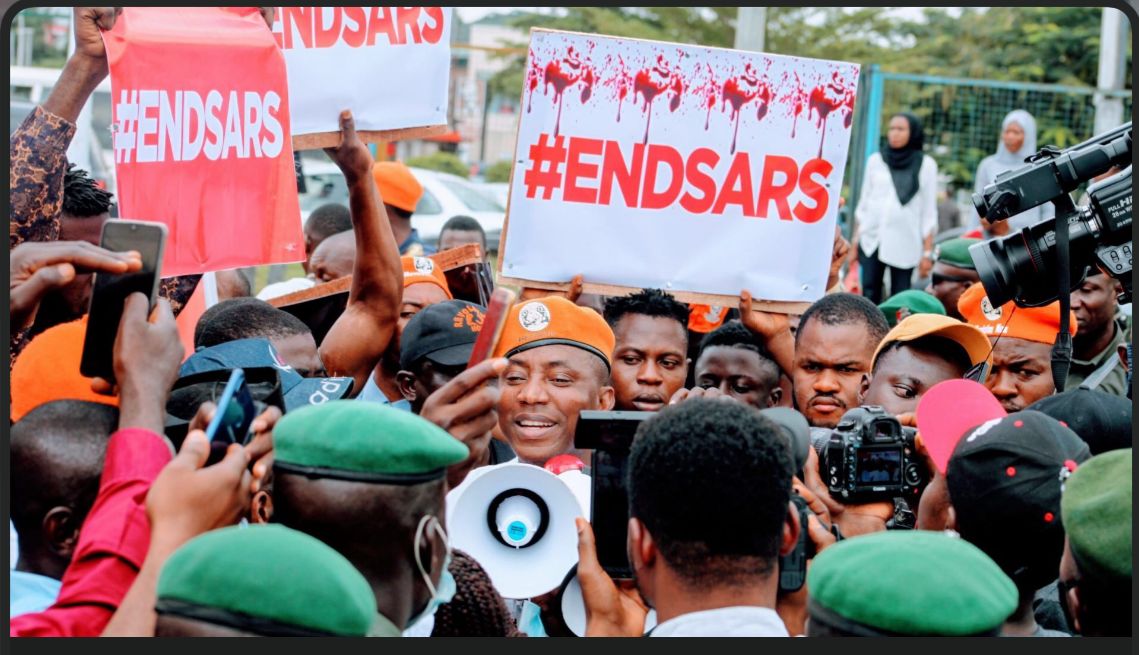
Nextier Blames Nigeria’s Police Brutality on Colonial-Era Militarized Culture, Calls for Shift to Service-Oriented Policing Security experts under the Nextier policy group have attributed persistent cases of police brutality and human rights abuses in Nigeria to a deeply entrenched colonial-era militarized policing culture, urging a fundamental shift toward a service-oriented, accountable, and human rights–compliant police system. The position was outlined in a new policy brief titled “From ‘Force’ to ‘Service’: Reframing Policing Culture and Human Rights Compliance in Nigeria,” which examined the structural and historical roots of policing challenges in the country. According to the analysts, Nigeria’s policing system continues to reflect a legacy of coercion and force-based control inherited from colonial administration, a system designed more for domination than public service. The report argued that this historical foundation has been reinforced over decades by weak accountability systems, institutional corruption, and recurring allegations of excessive use of force by security personnel. Nextier researchers said the modern Nigerian Police Force still operates within a culture shaped by its origins as a colonial instrument of enforcement, where emphasis was placed on suppression rather than community protection. They noted that this legacy has contributed to a persistent gap between police operations and democratic policing principles, resulting in widespread public distrust and repeated human rights violations. The policy brief called for a decisive transformation of the policing model from a “force” to a public service institution, anchored on professionalism, accountability, and respect for human rights. It recommended reforms aimed at strengthening oversight mechanisms, improving officer training, and embedding human rights standards into everyday policing practices. The analysts also emphasized the need for leadership reforms within the Nigeria Police Force to drive cultural change and reduce abuse of power at operational levels. The report highlighted ongoing concerns about police brutality, arbitrary arrests, and excessive use of force, noting that these issues continue to undermine public confidence in law enforcement institutions. It stressed that without meaningful accountability and institutional restructuring, efforts at reform would remain limited in impact Nextier warned that Nigeria’s security challenges cannot be resolved without addressing the foundational culture of policing, arguing that reforms must go beyond policy announcements to deep institutional transformation.
It further called for stronger collaboration between government, civil society, and security agencies to ensure that policing aligns with democratic governance standards.