New Zealand Rushes To Protect Endangered Birds After H5N1 Bird Flu Detection
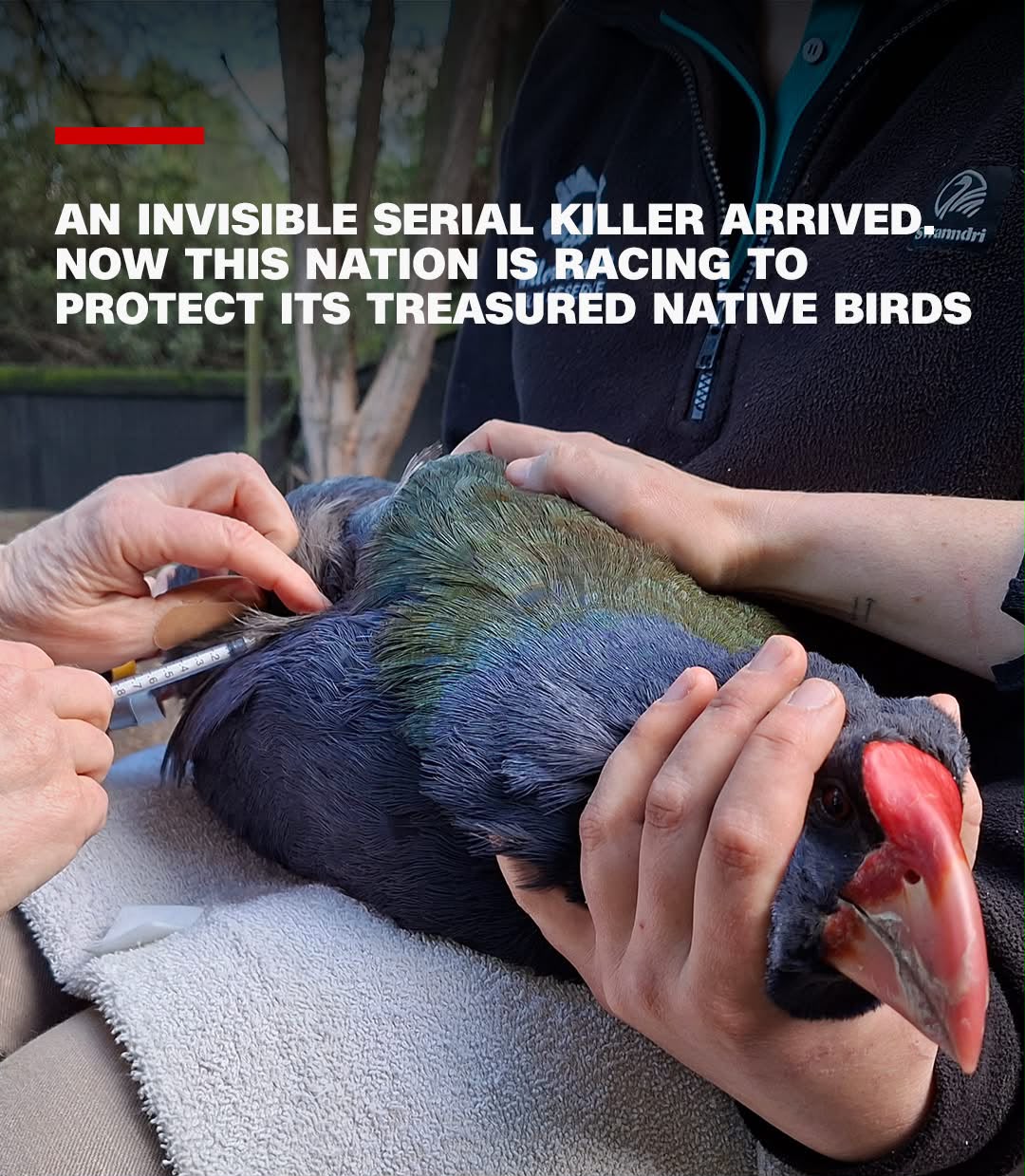
New Zealand Rushes to Protect Endangered Birds After H5N1 Bird Flu Detection New Zealand has launched an urgent conservation effort after the detection of the deadly H5N1 strain of avian influenza in two birds, prompting fears that the virus could threaten some of the country’s most vulnerable native species. In response, conservation authorities are taking the rare step of vaccinating 300 breeding pairs from five critically endangered native bird species in an attempt to create a protective barrier against the virus before it spreads further.
The move places New Zealand among a small number of countries to use bird flu vaccines as a conservation tool, reflecting the seriousness of the threat posed by a disease that has devastated wild bird populations in other parts of the world. New Zealand is internationally recognised for its extraordinary bird diversity, including species found nowhere else on Earth. Many of its native birds have already suffered from habitat loss, introduced predators, and declining populations. The arrival of H5N1 has raised fears that an outbreak among wild birds could have severe consequences for species that exist only in small, carefully managed populations. Among the species targeted for protection are some of New Zealand’s most threatened native birds, whose survival depends on intensive conservation programmes involving protected habitats and carefully managed breeding efforts. Vaccinating wild birds is considered unusual because large-scale immunisation programmes are difficult to organise and maintain. However, conservation officials have determined that protecting small populations of critically endangered species could provide an important safeguard. The vaccination programme focuses on breeding pairs because losing even a small number of adult birds could significantly affect the future recovery of endangered species. The H5N1 strain of avian influenza has spread widely among wild birds and poultry populations across several regions, causing significant bird deaths and disruptions to farming industries. Scientists have warned that migratory birds can carry and spread the virus across long distances, increasing concerns for countries with unique ecosystems and isolated wildlife populations. New Zealand’s geographic isolation has historically helped protect many of its native species from diseases found elsewhere, making the discovery of H5N1 a particularly concerning development. Authorities are combining vaccination with continued monitoring, disease surveillance, and biosecurity measures to reduce the risk of wider transmission. Conservation experts say protecting endangered species requires urgent action because many native New Zealand birds have limited population numbers and cannot easily recover from major disease outbreaks.