New Pill Therapy Found To Almost Double Survival In Advanced Pancreatic Cancer Patients
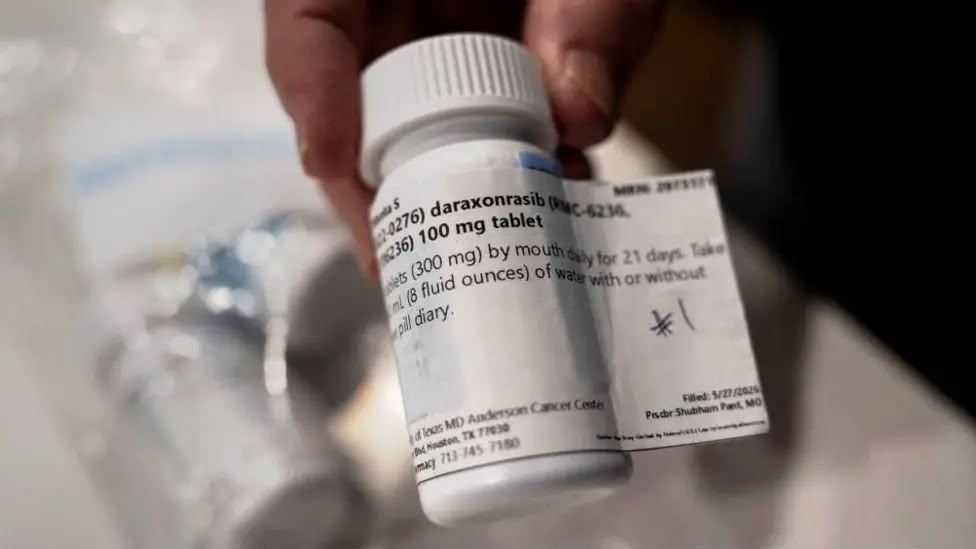
New Pill Therapy Found to Almost Double Survival in Advanced Pancreatic Cancer Patients A new oral treatment has been found to significantly extend survival in patients with advanced Pancreatic Cancer, with researchers reporting that the pill nearly doubles life expectancy in some cases, marking what experts are calling a “game changer” in cancer care. The findings come from recent clinical trials that tested an experimental targeted therapy in patients with late stage disease, where treatment options have historically been limited and outcomes poor. According to trial results, patients who received the pill-based treatment lived nearly twice as long on average compared to those receiving standard care alone.
Researchers say the improvement is particularly significant because advanced pancreatic cancer is typically diagnosed late and is known for its aggressive progression and resistance to conventional therapies.The therapy is designed to target specific biological pathways that cancer cells rely on to grow and spread. By disrupting these processes, the pill slows tumour progression and helps prolong patient survival. Experts involved in the study described the results as one of the most promising developments in pancreatic cancer treatment in recent years, especially given the historically low survival rates associated with the disease. Medical researchers have welcomed the findings, noting that the results could pave the way for a new standard of care if further studies confirm the benefits.
They also cautioned that wider access will depend on regulatory approval, cost considerations, and additional long-term safety evaluations. The breakthrough adds to growing progress in precision medicine, where treatments are tailored to the genetic and molecular profile of individual cancers rather than using a one-size fits-all approach. If approved for widespread use, the pill could offer new hope to thousands of patients diagnosed with advanced pancreatic cancer each year While researchers emphasise that more work is needed before the treatment becomes widely available, the results represent a major step forward in improving survival outcomes for one of the deadliest forms of cancer.