New Monkey Species Discovered In Democratic Republic Of Congo Forests
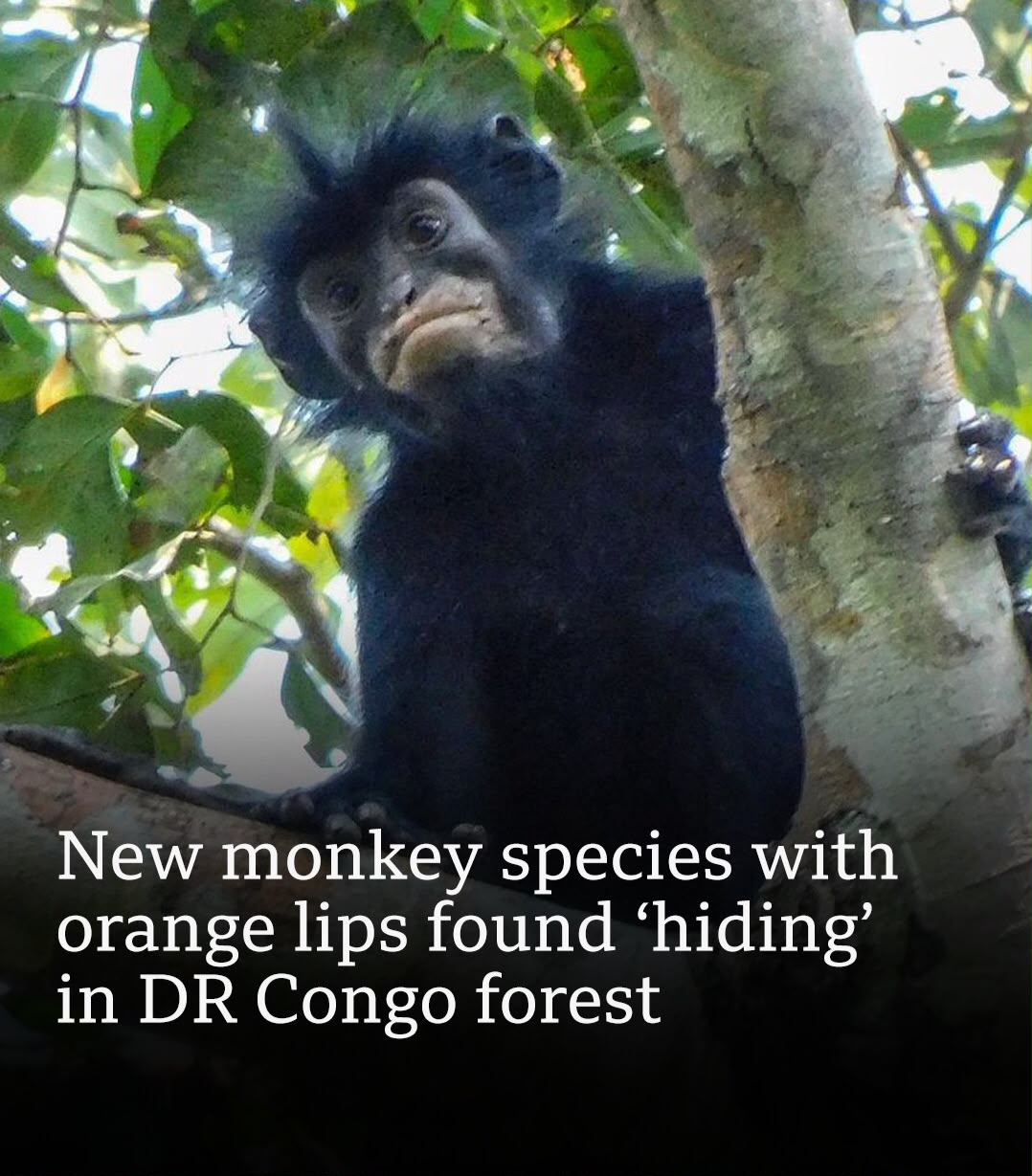
New Monkey Species Discovered in Democratic Republic of Congo Forests Scientists have confirmed that a monkey living in the remote forests of the Democratic Republic of Congo is a previously unknown species, marking a significant discovery for African wildlife and biodiversity research. The finding follows years of field observations, genetic analysis, and comparisons with closely related primates, researchers said. The newly identified monkey inhabits dense tropical forests in central Congo, one of the world’s richest regions for biodiversity. Although local communities have long been familiar with the animal, scientists only recently gathered enough evidence to classify it as a distinct species rather than a population of an already known monkey. Researchers said the discovery highlights how much remains unknown about the wildlife of the Congo Basin, the world’s second-largest tropical rainforest after the Amazon. The region is home to countless plant and animal species, many of which remain poorly studied because of its vast size, difficult terrain, and limited scientific access. Genetic testing and detailed examinations of the monkey’s appearance, behaviour, and vocalisations revealed clear differences from its closest relatives. These findings were reviewed by primate experts before the species received official scientific recognition. Conservationists say the discovery also underscores the importance of protecting the Congo Basin from threats including deforestation, illegal logging, mining, and wildlife trafficking. Habitat destruction continues to endanger many of the region’s unique species, some of which may disappear before they are fully documented by science. Scientists hope the recognition of the new species will encourage further research and strengthen conservation efforts in the Democratic Republic of Congo. They say continued collaboration with local communities will be essential for monitoring the monkey’s population and ensuring the long-term survival of its forest habitat.