‘My Message Twisted’ Obi Denies Telling UK-Based Nigerians To Abandon Loved Ones
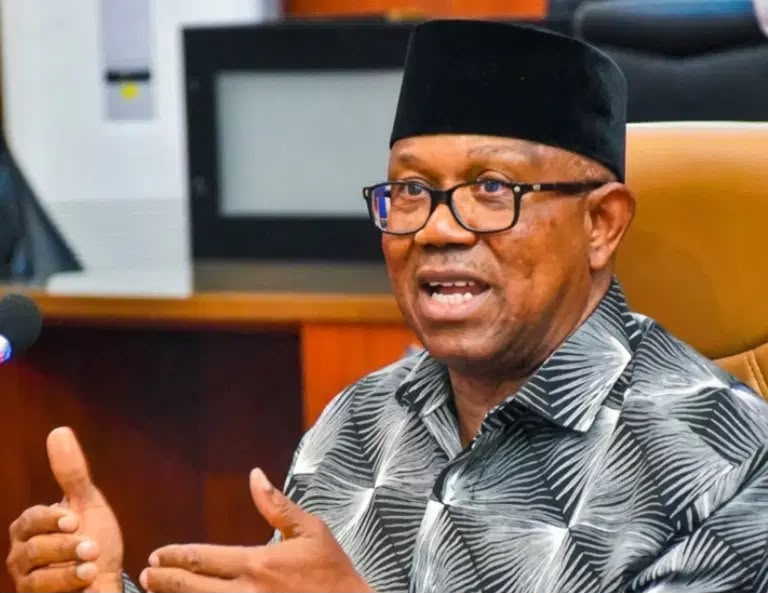
‘My Message Twisted’ Obi Denies Telling UK-Based Nigerians to Abandon Loved Ones The presidential candidate of the Nigeria Democratic Congress (NDC), Peter Obi, has denied asking Nigerians living in the United Kingdom to abandon relatives who depend on them for financial support, insisting that his remarks on Nigeria’s economic hardship have been distorted by political opponents.
Obi said his message was intended to draw attention to the conditions forcing millions of Nigerians to rely on relatives abroad to meet their basic needs, rather than discourage Nigerians in the diaspora from supporting their families. The former Anambra State governor made the clarification in a statement titled “My Message Has Been Twisted,” published on his X account on Tuesday, October 20, 2026. He maintained that he appreciated the sacrifices made by Nigerians living abroad, whose financial contributions help relatives at home pay school fees, hospital bills, rent and feeding expenses. “I deeply appreciate Nigerians in the diaspora who work tirelessly and make enormous sacrifices to support their families back home,” Obi said. “Their remittances pay for school fees, hospital bills, rent, and feeding expenses. Their patriotism and sacrifices deserve our profound respect. I never asked them to abandon their loved ones.” Obi said his concern was that Nigeria should not remain a country where millions of citizens depend on financial assistance from relatives overseas to survive. According to him, the country needs an economic environment that enables citizens to secure employment, access affordable healthcare, obtain quality education and create sustainable livelihoods without relying heavily on family members abroad. “My concern is that Nigeria should not remain a country where millions depend on relatives abroad for basic survival,” he said. “Our goal must be to build a nation that provides jobs, affordable healthcare, quality education, and economic opportunities for its citizens.” He argued that Nigeria’s economic challenges require long-term solutions focused on effective leadership, accountability and economic productivity. Obi maintained that while financial assistance from Nigerians abroad provides essential relief to struggling households, it does not address the underlying problems responsible for widespread hardship. The NDC presidential candidate accused political opponents of misrepresenting his comments and presenting his message as a call for Nigerians abroad to withdraw support from their families. He insisted that his position was centred on addressing the root causes of poverty and creating a country where citizens could meet their basic needs without depending on relatives overseas. “Political opponents may twist my message, but the truth remains clear: I am not asking Nigerians abroad to abandon their families. I am advocating for a Nigeria that will no longer abandon its own people,” he said. The clarification followed a statement from Obi’s media office, which had earlier rejected claims that the former governor encouraged Nigerians living abroad to abandon their parents, siblings and other relatives. The media office said the remarks had been taken out of context and argued that Obi’s message was directed at the economic conditions forcing families to depend on remittances for survival. The controversy arose from comments Obi made during a town hall meeting with Nigerians in Manchester, United Kingdom, on Sunday. During the engagement, a video circulated online showing him urging Nigerians living abroad to reject requests for financial assistance from people at home. “You have people at home in Nigeria today who are begging you for money. Tell them no!” he said. Obi argued that continually sending money to relatives could ease immediate hardship without resolving the economic problems that made such assistance necessary. He attributed Nigeria’s difficulties to poor leadership and urged Nigerians in the diaspora to encourage their relatives and friends at home to support leaders who would prioritise productivity, accountability and economic opportunities. The comments generated mixed reactions, with some interpreting them as a call to stop supporting family members, while others viewed them as an appeal for Nigerians to demand better governance. In his clarification, Obi reiterated that Nigeria should use its human and natural resources to improve living standards and reduce the financial pressure on citizens living abroad. He said the country must create opportunities that allow families to provide for themselves, rather than leaving millions dependent on remittances to afford essential services. His position, he stressed, was not that Nigerians abroad should stop helping their relatives, but that the government should create conditions in which such assistance would no longer be essential for survival. The former governor also urged Nigerians at home and abroad to remain committed to building a country where effective leadership and economic opportunities enable citizens to live with dignity. Obi concluded his statement by reaffirming his support for Nigerians both at home and overseas, maintaining that his message was about ending the country’s dependence on family remittances for basic survival rather than discouraging family solidarity.