Most Offenders Who Would Have Faced Up To A Year In Jail To Get Suspended Sentences Instead
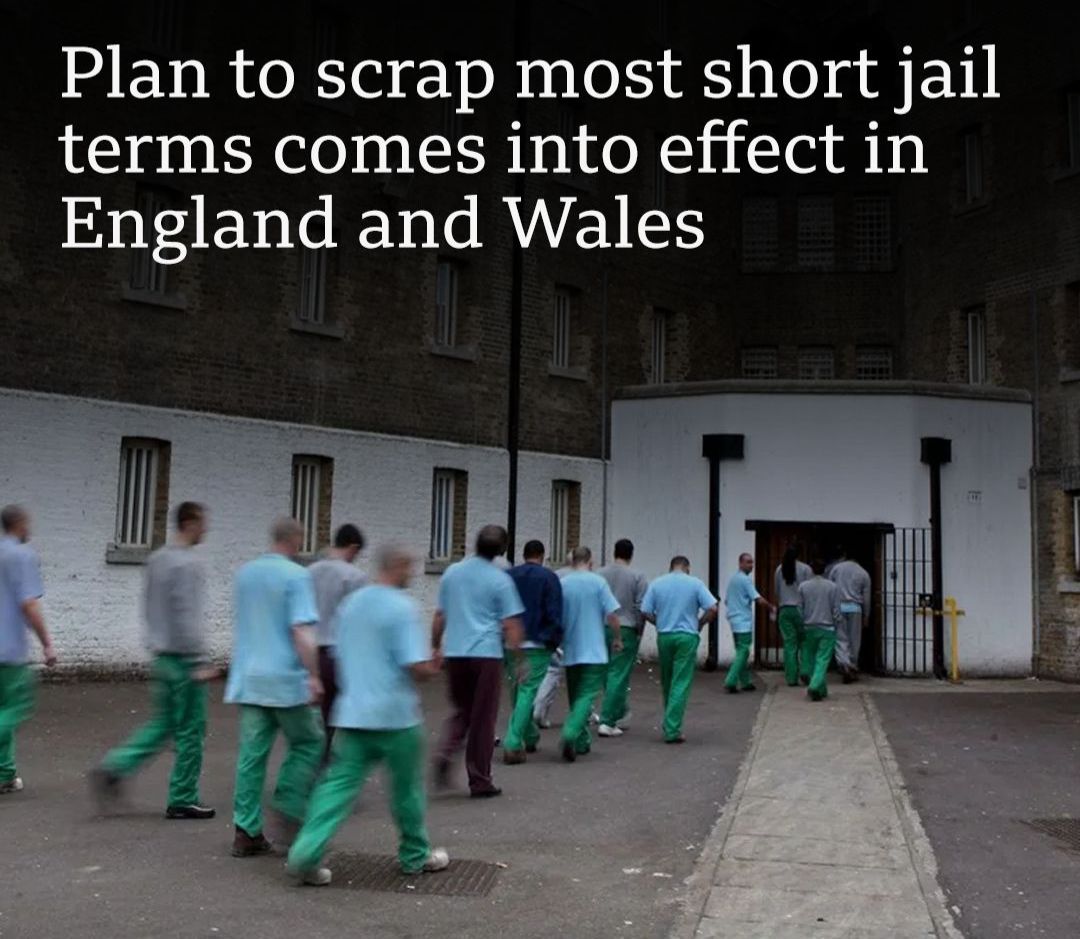
Most offenders who would have faced up to a year in jail to get suspended sentences instead most offenders in England and Wales who previously would have received a custodial sentence of up to 12 months are expected not to go to prison but instead be given suspended sentences under one of the biggest changes to criminal sentencing in decades. The change comes as part of the Sentencing Act 2026, which the UK Parliament passed earlier this year and which came into force on this date. The law introduces a new presumption that short custodial sentences should be suspended, meaning offenders can stay in the community under conditions rather than serving time behind bars unless there are exceptional circumstances justifying immediate custody.
- Prison overcrowding The government has said the aim is to help relieve chronic overcrowding in prisons, where there have been thousands of inmates serving short sentences, and free up space for those convicted of more serious crimes.
- Rehabilitation focus: Ministers and justice officials argue that short jail terms (under 12 months) do not significantly reduce reoffending and that community‑based supervision and rehabilitation are more effective.
- Court efficiency The change is also expected to reduce court backlogs by encouraging early guilty pleas and lowering the number of custodial cases requiring full trials and imprisonment logistics.
- A suspended sentence means that a custodial term is imposed but not executed immediately the offender remains in the community under conditions set by the court (such as unpaid work, rehabilitation programmes, curfews or electronic monitoring). If those conditions are breached, the previously suspended prison term can be activated.
Under the reforms, the maximum length for which a court can suspend a sentence has also been increased potentially up to three years, expanding the courts’ ability to keep offenders out of immediate custody.
- Offenders who pose a significant risk of harm to the public.
- Cases falling into exceptional circumstances where a suspended sentence is judged inappropriate.
- Supporters say the shift is sensible given evidence that short prison terms do little to deter crime and that alternative punishments can better support rehabilitation and reduce reoffending.
- Critics caution that a heavy reliance on suspended sentences without adequate probation and support services could overburden community supervision and may be seen as “soft on crime” by sections of the public.
- The government recently dropped controversial “name and shame” plans for publishing photos of offenders doing community service, reflecting sensitivity around public perceptions of sentencing reforms.
- The overhaul follows years of concern about the criminal justice system, a major independent sentencing review, and efforts to modernise sentencing to emphasise rehabilitation alongside punishment. Labour’s justice ministers steered the package through Parliament last year as part of a broader strategy to address rising prison populations and long court delays.