Millions Of HIV Patients Face Uncertainty As U.S.-Funded Global AIDS Programs Near Funding Deadline
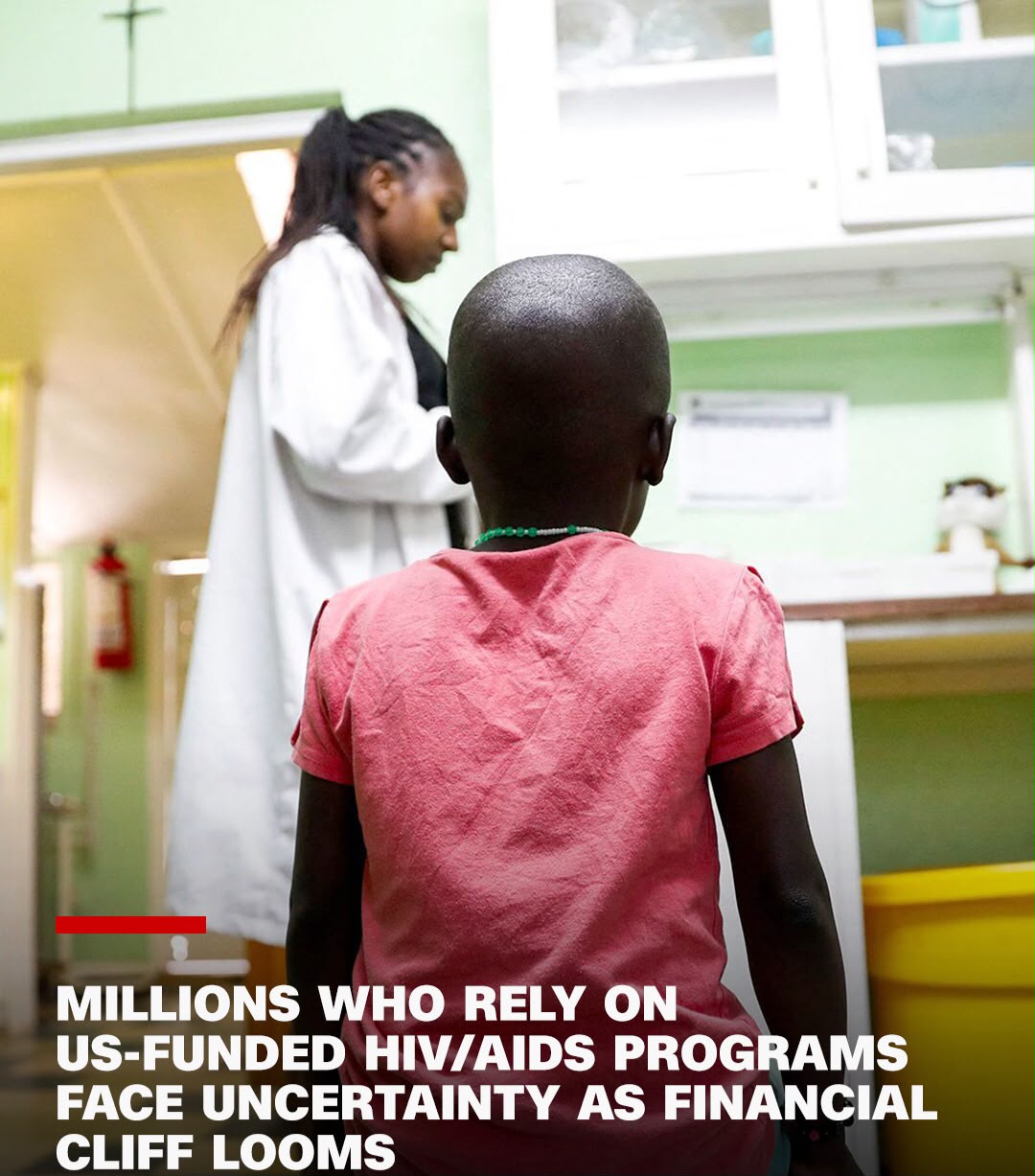
Millions of HIV Patients Face Uncertainty as U.S.-Funded Global AIDS Programs Near Funding Deadline Millions of people living with HIV, particularly across sub-Saharan Africa, face growing uncertainty over access to life-saving treatment as dozens of United States-funded HIV/AIDS programmes approach a critical funding deadline without a confirmed replacement plan. According to health officials and global health experts, approximately 120 funding awards administered through the U.S. Centers for Disease Control and Prevention CDC are scheduled to expire in September, threatening the continuity of HIV prevention, testing, treatment and support services in several low- and middle-income countries. The programmes are largely funded through the U.S. President’s Emergency Plan for AIDS Relief PEPFAR, one of the world’s largest HIV/AIDS initiatives. The impending expiration of the grants has raised fears of disruptions to medical care for millions of patients who depend on consistent access to antiretroviral therapy. Public health experts warn that interruptions in treatment could lead to increased HIV transmission, the emergence of drug-resistant strains of the virus and a rise in AIDS-related illnesses and deaths.
Countries across Africa, where PEPFAR has played a central role in strengthening HIV response systems for more than two decades, are considered among the most vulnerable to the funding uncertainty. Many national HIV programmes rely heavily on U.S. financial support to procure medicines, train healthcare workers, operate laboratories and provide community-based care. Health organisations have cautioned that the absence of a clearly defined transition plan could undermine years of progress in the global fight against HIV/AIDS. They note that sustained treatment is essential because patients living with HIV require lifelong medication to suppress the virus and prevent transmission. The uncertainty follows broader changes in U.S. foreign assistance policy that have affected several international health and humanitarian programmes. While some funding streams have continued, stakeholders say many implementing organisations remain uncertain about future financing and operational arrangements once the current CDC awards expire.
Global health advocates are urging the U.S. government and international partners to provide clarity on future funding and ensure there is no interruption in critical HIV services. They argue that maintaining uninterrupted treatment is not only a humanitarian imperative but also a cost-effective strategy for preventing new infections and preserving decades of investment in global public health. Since its launch in 2003, PEPFAR has been credited with helping save millions of lives, expanding access to HIV treatment and significantly reducing AIDS-related deaths in many of the world’s hardest-hit countries. Health experts warn that any prolonged funding gap could reverse those gains and place additional pressure on already stretched healthcare systems. As the September deadline approaches, governments, healthcare providers and international organisations are intensifying efforts to secure continued financing and protect essential HIV services. For millions of patients who depend on daily treatment, the coming months are expected to be critical in determining whether the progress achieved over the past two decades can be sustained.