Middle‑income Households Cutting Back On Eating Out And Trips As UK Living
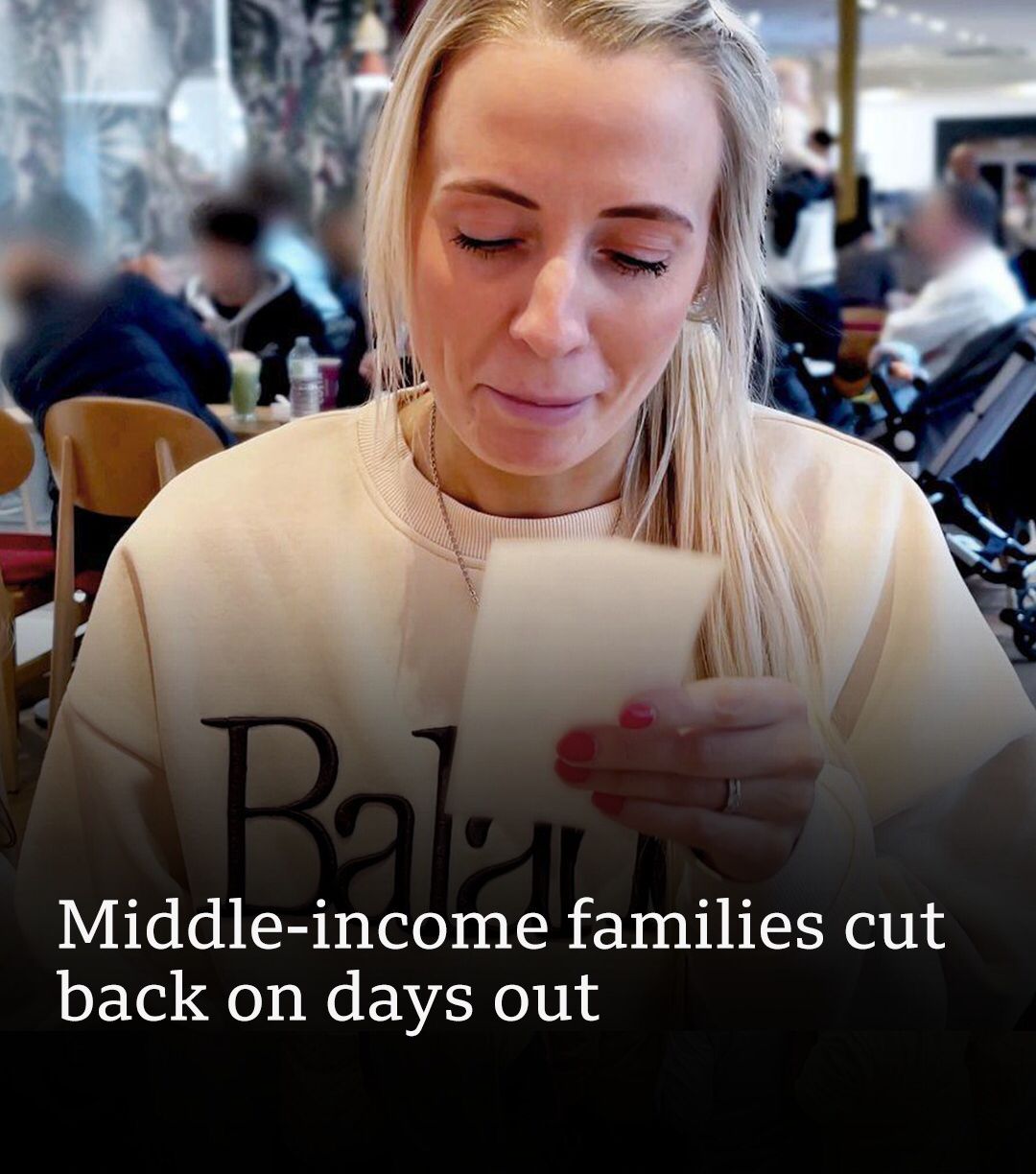
Middle‑income households cutting back on eating out and trips as UK living costs rise A growing number of UK households including those on middle incomes are drastically reducing spending on meals out and leisure activities because rising costs are squeezing budgets. What were once ordinary treats are now being skipped entirely as families prioritise essentials like energy, food and bills. Many families say they can no longer justify paying for eating out. One example cited in the BBC coverage described a £52 lunch for a family of four as difficult to justify given current financial pressures. Middle‑income households that previously ate out or took family days out regularly report cutting back because combined costs including admission charges and meal prices have risen faster than their incomes.
People who once budgeted for weekend meals, cinema trips or day‑out experiences now find these luxuries increasingly unaffordable. Some households are reducing such outings to once every few months instead of weekly or monthly as before.
Survey reporting embedded in the article suggests that even those on what would previously have been considered comfortable incomes are economising on simple pleasures because the overall cost of living including energy, food and housing leaves them with little discretionary income.
- Family experiences:
Couples like Bianca and Paul Osborne (as referenced in audience sharing of the story) say that rises in food, energy, and activity costs have changed the way they plan family time. Treats such as meals out and affordable activities are becoming rare because the basic expense of going out has climbed. - Changing behaviour
Many families are substituting packed lunches or picnics for café or restaurant meals, or skipping extras like snacks and drinks out, just to balance their weekly budgets. The story sits within the broader backdrop of the ongoing UK cost‑of‑living crisis, where prices for essentials like energy, food and housing have risen faster than wages for several years. Real disposable incomes for many households have fallen, forcing choices between essentials and discretionary spending. Experts and commentators cited in discussions around the article note that this squeeze affects not just low‑income groups but also middle earners, suggesting a wider shift in household spending patterns across the UK economy. Reduced leisure economy spending: Hospitality and leisure sectors may face lower demand if households cut back on dining and outings. Lifestyle changes Families increasingly make cost‑based decisions about how to spend free time, with take‑your‑own options replacing paid experiences. Pressure on living standards The trend reflects a squeeze on disposable income as prices rise faster than wages or benefits.