MIDDLE EAST CONFLICT PUTS PRESSURE ON CHINA’S EXPORT ECONOMY
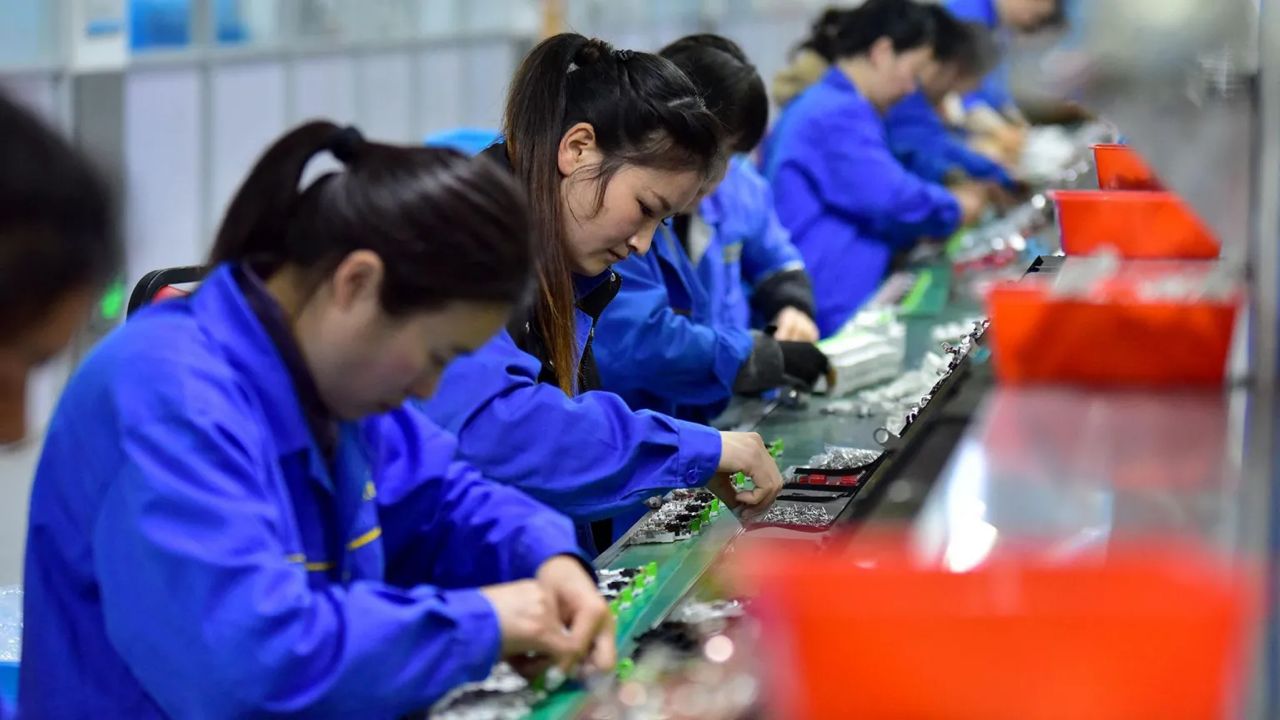
MIDDLE EAST CONFLICT PUTS PRESSURE ON CHINA’S EXPORT ECONOMY China’s export-driven economy is facing growing strain as the ongoing Middle East conflict disrupts global trade, raises costs, and weakens factory activity, according to BBC analysis by correspondent Laura Bicker. The conflict in the Middle East is increasingly affecting China’s manufacturing sector, with factories reporting fewer orders, rising production expenses, and mounting uncertainty about future demand. China, the world’s largest exporter, relies heavily on stable global trade routes and strong overseas demand to sustain growth. However, geopolitical tensions and instability linked to the conflict have unsettled markets and disrupted supply chains that many Chinese manufacturers depend on. According to the BBC report, factory owners are experiencing declining export orders as businesses worldwide become cautious amid geopolitical risks and economic uncertainty.
Manufacturers producing goods for foreign markets including electronics, textiles, and consumer products are seeing slower demand from overseas buyers worried about shipping disruptions and rising energy prices. The slowdown highlights China’s vulnerability to external shocks because exports remain a major pillar of its economic expansion The conflict has also pushed up global energy and shipping costs, increasing operational expenses for Chinese factories. China depends significantly on oil imports from the Middle East, meaning instability in the region quickly translates into higher fuel prices and transportation costs for manufacturers and exporters. Higher raw-material prices and logistics challenges are squeezing profit margins, forcing some factories to cut production or reconsider hiring plans. With weaker orders and rising costs, some companies are slowing recruitment or reducing working hours, raising concerns about employment in China’s vast manufacturing sector. Analysts warn that prolonged geopolitical tensions could further weaken global trade flows, affecting innovation, investment, and long-term economic growth across export-dependent economies. The Middle East crisis has broader economic implications beyond China. Disruptions to key shipping routes and commodities including fertilisers, metals, and energy supplies have already driven price increases worldwide, adding pressure to industries linked to global manufacturing networks. Despite these challenges, Beijing is expected to rely on policy support and diversification of trade partners to cushion the impact.